Introduction
Maintaining molten aluminium cleanliness is one of the most important steps in aluminium melting and casting. During melting, holding, and transfer processes, aluminium alloys can absorb hydrogen and generate oxide inclusions due to reactions between molten aluminium, air, and moisture. These impurities may lead to casting defects, reduced mechanical properties, poor surface quality, and increased metal loss.
Aluminium granular flux is a widely used melt treatment material designed to improve molten aluminium quality by helping remove dissolved hydrogen, oxide inclusions, and slag particles. Compared with conventional bulk refining materials, granular flux provides better dispersion in molten aluminium due to its controlled particle size and larger contact area with the melt.
By combining physical and chemical refining effects, aluminium granular flux helps aluminium producers achieve cleaner metal, more stable casting performance, and improved production efficiency.
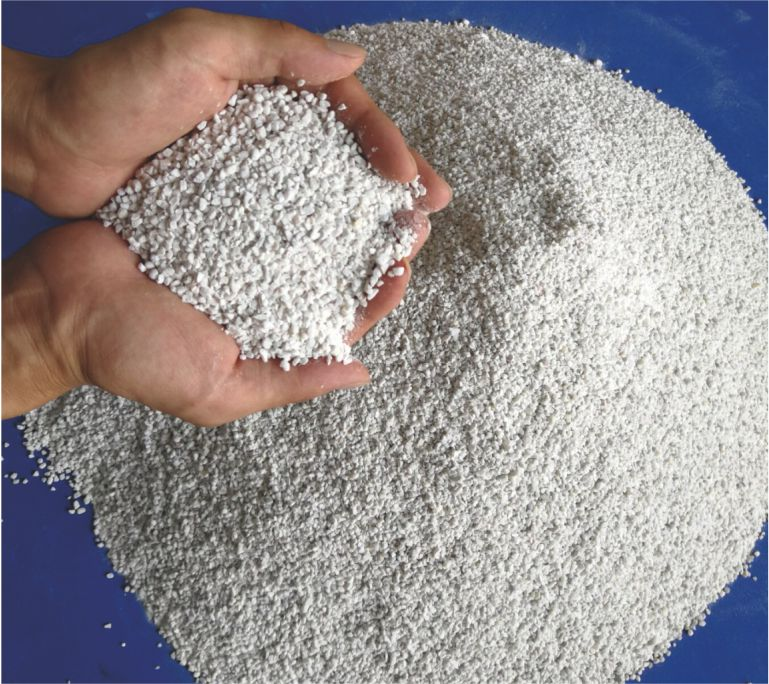
Aluminium Granular Flux from AdTech
What Is Aluminium Granular Flux?
Aluminium granular flux is a specially formulated refining material used during aluminium melting operations. It consists of active components designed to react with impurities in molten aluminium and assist in the separation of slag and non-metallic inclusions.
Unlike traditional block or coarse refining materials, granular flux is produced in small particles, typically with a controlled size distribution. The granular structure allows the material to spread more evenly throughout the molten aluminium, increasing the contact area between flux particles and the melt.
In aluminium foundries and casthouses, granular flux is commonly used as part of a complete aluminium melt treatment process together with degassing and filtration technologies.
The main purposes of aluminium granular flux include:
- Removing oxide inclusions
- Improving slag separation
- Supporting hydrogen removal
- Reducing metal loss during slag removal
- Maintaining cleaner molten aluminium
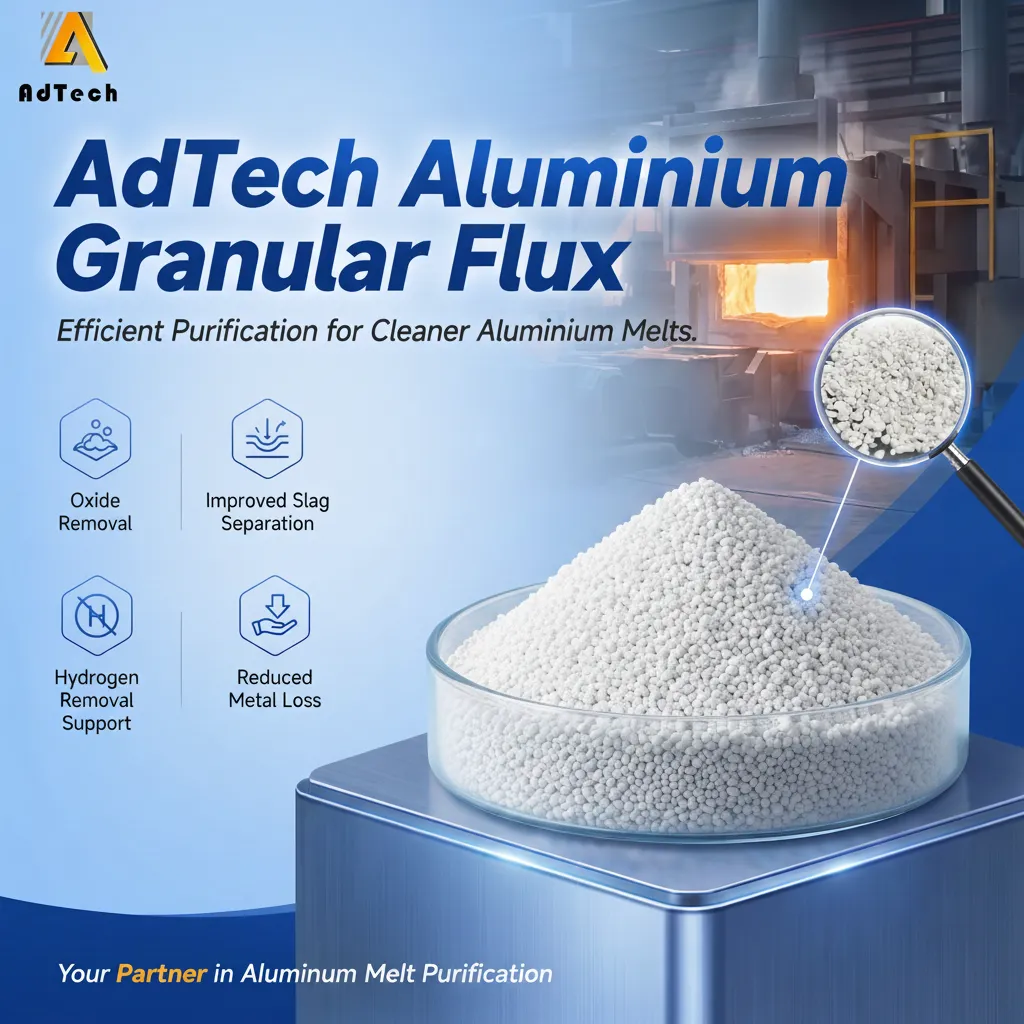
تدفق حبيبي
Why Is Aluminium Flux Treatment Important?
During aluminium melting, maintaining melt cleanliness is challenging because molten aluminium is highly reactive at elevated temperatures.
Several types of impurities may affect final product quality.
Hydrogen in Molten Aluminium
Molten aluminium can absorb hydrogen from:
- Moisture in raw materials
- Humidity in the atmosphere
- Wet tools and equipment
- Improper melt handling
When aluminium solidifies, dissolved hydrogen may form gas pores inside the casting.
Potential problems include:
- المسامية الداخلية
- انخفاض الخصائص الميكانيكية
- Lower product reliability
- Surface defects after processing
Flux treatment, especially when combined with inert gas injection, helps improve melt cleanliness and reduce hydrogen-related defects.
Explore our Aluminium Granular Flux
Oxide Inclusions and Slag Formation
During melting and holding, aluminium reacts with oxygen and forms oxide films and slag.
These inclusions may cause:
- عيوب الصب
- Reduced ductility
- Poor surface appearance
- Processing difficulties
Aluminium granular flux helps separate oxide particles from the molten aluminium and promotes their movement toward the surface, where slag can be removed more easily.
How Does Aluminium Granular Flux Work?
Aluminium granular flux works through both physical and chemical refining mechanisms.
For better treatment performance, granular flux is usually introduced into molten aluminium using a powder injection system with high-purity nitrogen or argon as the carrier gas.
The treatment process includes several stages.
1. Uniform Dispersion in Molten Aluminium
When granular flux is injected into the molten aluminium bath, the fine particles distribute throughout the melt.
Compared with larger refining materials, granular particles provide:
- Larger contact area
- Better dispersion
- More efficient interaction with impurities
This improves the overall refining effect.
2. Formation of Fine Gas Bubbles
During injection, nitrogen or argon generates numerous small bubbles inside the aluminium melt.
These bubbles increase contact between the treatment gas, flux particles, and molten aluminium.
As the bubbles rise through the melt:
- Dissolved hydrogen is transferred into the bubbles
- Hydrogen-containing gas is carried to the surface
- Gas escapes from the aluminium melt
This helps reduce hydrogen content and improve casting quality.
3. Removal of Oxides and Inclusions
During the refining process, flux particles interact with oxide films, slag particles, and other impurities.
The resulting compounds are separated from molten aluminium and float to the surface.
This makes slag removal easier and improves aluminium melt cleanliness.
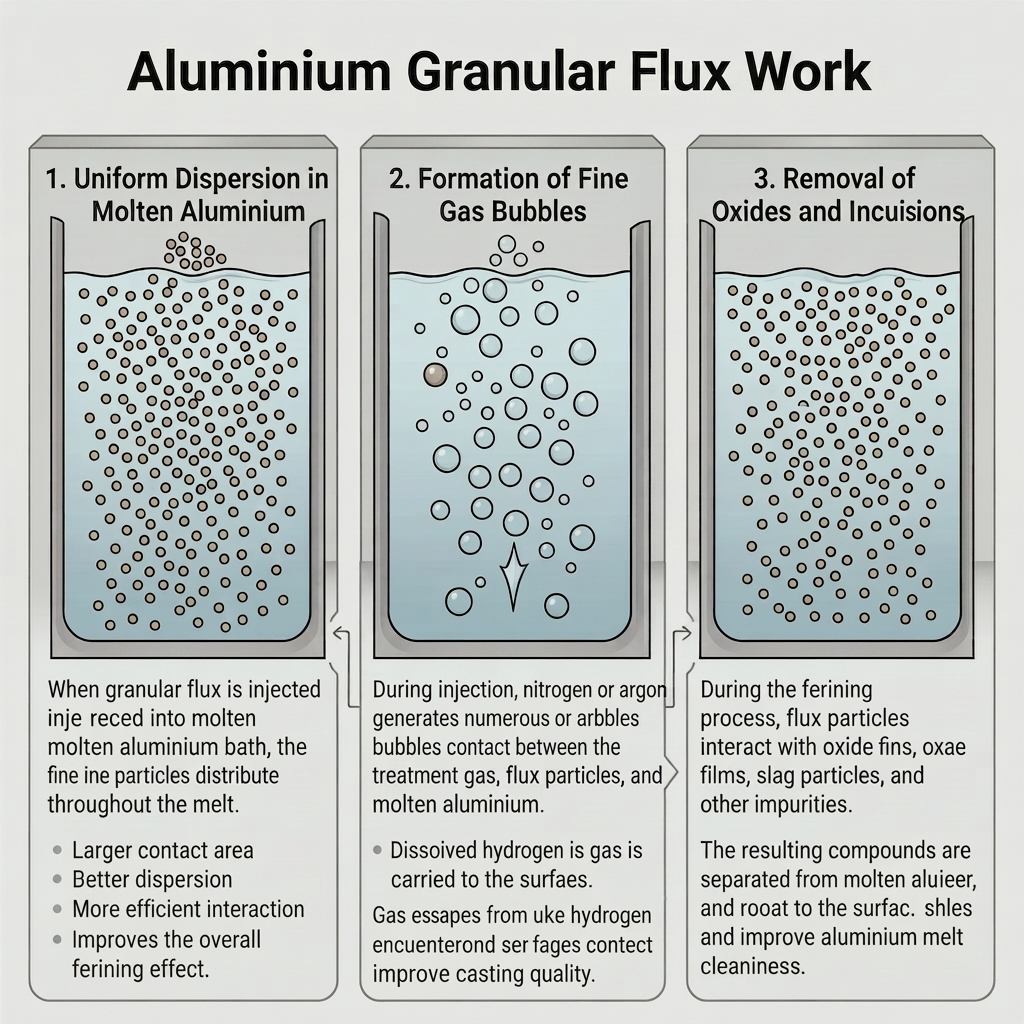
how does granular flux work
Benefits of Aluminium Granular Flux
Improved Molten Aluminium Cleanliness
The primary purpose of granular flux is to improve the quality of molten aluminium by reducing impurities.
Effective flux treatment helps remove:
- شوائب الأكسيد
- Suspended particles
- Slag components
- Dissolved gases
Cleaner aluminium melt provides better conditions for casting and downstream processing.
Better Degassing Performance
Granular flux can improve the efficiency of aluminium melt treatment when used with inert gas injection.
The fine particles increase contact between the treatment agent and molten aluminium, helping improve hydrogen removal.
For applications requiring strict control of porosity, granular flux can be combined with professional aluminium degassing systems.
Reduced Metal Loss
During aluminium melting, slag often contains a certain amount of trapped aluminium metal.
Proper flux treatment helps separate aluminium from slag, producing drier and easier-to-remove slag.
تشمل المزايا ما يلي:
- Improved aluminium recovery
- Reduced metal waste
- Lower production costs
Cleaner Furnace Operation
Flux treatment can also help reduce oxide buildup and impurities accumulated inside the furnace.
A cleaner furnace environment helps:
- Reduce furnace cleaning frequency
- Improve furnace utilization
- Lower operator workload
Improved Working Environment
High-quality granular flux provides a more controlled reaction compared with traditional refining materials.
وتشمل المزايا ما يلي:
- Reduced smoke generation
- Lower moisture content
- More stable refining process
This contributes to a cleaner and safer working environment in aluminium melting facilities.
Aluminium Granular Flux vs Traditional Refining Flux
Aluminium refining flux can be supplied in different forms depending on production requirements.
| ميزة | تدفق الحبيبات | Traditional Refining Flux |
|---|---|---|
| Form | Granular particles | Powder or other forms |
| Dispersion | More uniform in molten aluminium | Depends on application method |
| Contact area | Larger contact area | Relatively lower |
| Injection compatibility | Suitable for powder injection systems | Depends on product type |
| Treatment efficiency | Stable and consistent | Depends on operating conditions |
Granular flux is especially suitable for aluminium producers who require more controlled distribution and efficient melt treatment.
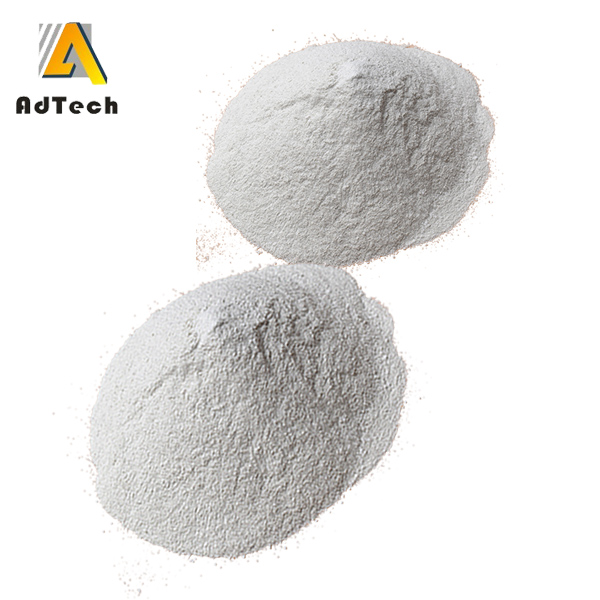
مواد الصهر المستخدمة في صب الألومنيوم
Aluminium Granular Flux in the Aluminium Melt Treatment Process
Flux treatment, especially when combined with inert gas injection, helps improve melt cleanliness and reduce hydrogen-related defects.
Explore our Aluminium Granular Flux
Modern aluminium production usually combines several melt treatment technologies to achieve high-quality metal.
A complete aluminium melt treatment process may include:
معالجة التدفق
Used for:
- Slag removal
- Oxide separation
- Improving melt cleanliness
إزالة الغازات
Used for:
- Removing dissolved hydrogen
- Reducing gas porosity
الترشيح
Used for:
- Removing remaining non-metallic inclusions
- Improving final metal quality
Aluminium granular flux is an important part of this process and works together with degassing equipment and ceramic filtration systems to produce cleaner molten aluminium.
Aluminium Granular Flux Applications
Aluminium granular flux is widely used in:
Aluminium Casting Plants
For improving melt quality before casting operations.
Aluminium Billet Production
Cleaner metal helps improve extrusion billet quality and reduce defects.
Aluminium Alloy Manufacturing
Suitable for alloy production requiring better impurity control.
إعادة تدوير الألومنيوم
Helps improve molten aluminium quality when processing recycled aluminium materials.
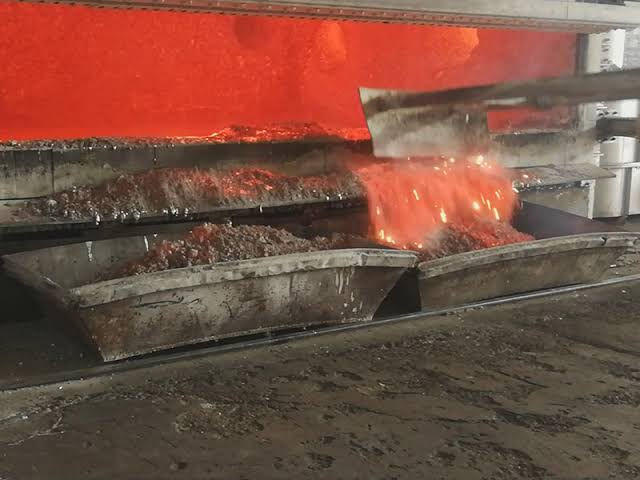
granulater flux used in molten aluminum
How to Use Aluminium Granular Flux?
The actual dosage depends on:
- Aluminium alloy composition
- Melt condition
- Furnace type
- Treatment requirements
Typical dosage:
| المعلمة | القيمة |
|---|---|
| Recommended dosage | 0.1–0.2% of molten aluminium weight |
| Standard dosage | Approximately 0.15% |
| Carrier gas | High-purity nitrogen or argon |
For best results:
- Ensure the flux remains dry before use.
- Use suitable injection equipment.
- Distribute the flux evenly throughout the molten aluminium.
- Remove separated slag after treatment.
Storage and Handling of Aluminium Granular Flux
Proper storage is important to maintain flux performance.
Recommended storage conditions:
- Store in a dry and ventilated warehouse.
- Avoid placing products directly on the ground.
- Seal the package after opening.
- Use opened packages as soon as possible.
- Do not stack more than five layers or exceed 1.5 meters in height.
- Protect packaging from damage during transportation.
Moisture protection is especially important because wet flux may affect treatment performance and create unstable reactions in molten aluminium.
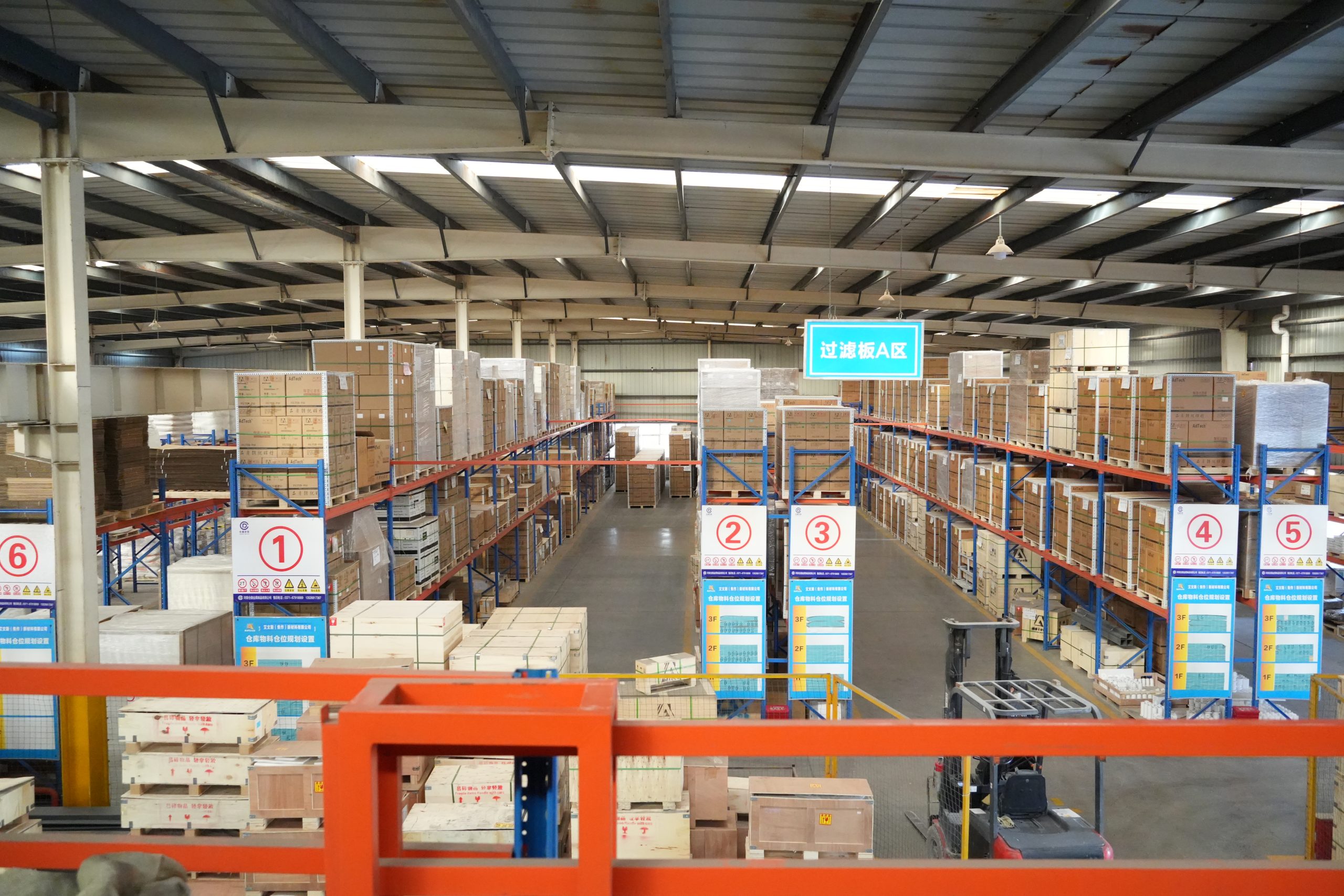
flux storage in AdTech
How to Choose the Right Aluminium Flux?
When selecting aluminium refining flux, producers should consider:
Treatment Purpose
Different applications may focus on:
- إزالة الهيدروجين
- Slag separation
- Oxide removal
- Furnace cleaning
نموذج Flux
Granular flux is recommended when:
- Injection treatment is used
- Better dispersion is required
- Consistent refining performance is important
Production Requirements
Selection should consider:
- Aluminium alloy type
- Casting process
- Melt temperature
- Production capacity
Choosing the correct flux helps improve aluminium quality and maintain stable production.
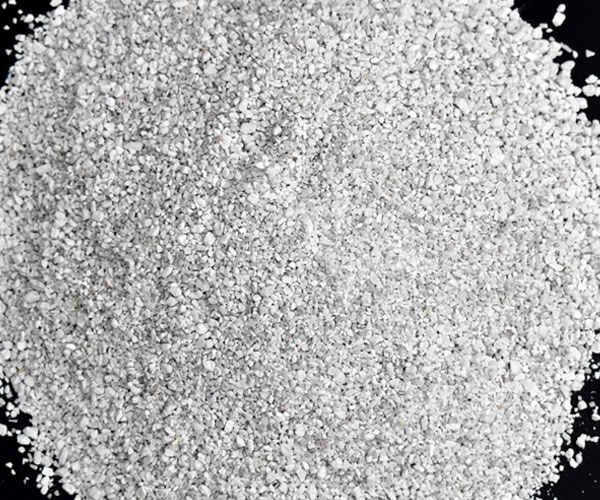
مواد صهر حبيبية من الألومنيوم
AdTech Aluminium Flux Solutions
AdTech provides aluminium melt treatment solutions including aluminium refining flux and granular flux for aluminium melting and casting applications.
Our products are designed to help aluminium producers:
- Improve molten aluminium cleanliness
- تقليل الشوائب الأكسيدية
- Support hydrogen removal
- تحسين استخلاص المعادن
- Maintain stable casting performance
Combined with degassing and filtration technologies, AdTech flux solutions help aluminium foundries achieve reliable melt quality control.
Contact AdTech to learn more about aluminium granular flux and refining solutions for your aluminium production process.