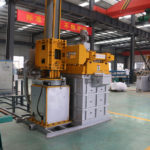
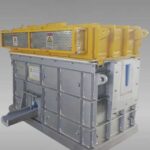
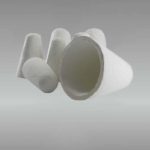
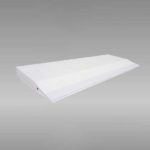
موردو مرشحات الرغوة الخزفية في الهند وتشمل هذه الشركات كلاً من الشركات المصنعة المحلية التي تمتلك منشآت إنتاج في ولايات غوجارات وماهاراشترا وتاميل نادو وراجستان، إلى جانب الموزعين المعتمدين للعلامات التجارية العالمية التي تخدم سوق صناعة السباكة في الهند — حيث تقدم مرشحات الألومينا (Al₂O₃) المستخدمة في صب الألومنيوم, ، وفلاتر كربيد السيليكون (SiC) المستخدمة في صب الحديد الرمادي والحديد المطاوع، وفلاتر الزركونيا (ZrO₂) المستخدمة في تطبيقات الصلب وفقًا للمعايير القياسية أحجام المسام من 10 PPI إلى 60 PPI, ، حيث تتراوح أسعار الجملة بين 65 و3,800 روبية هندية للقطعة الواحدة حسب المادة والحجم وكثافة المسام، مما يجعل الهند واحدة من أكثر وجهات التوريد تنافسية من حيث التكلفة لمرشحات الرغوة الخزفية في آسيا، كما أنها تُعد قاعدة إنتاج وتصدير مهمة لأسواق المسابك العالمية.
في AdTech، نتعاون مع مديري المشتريات في مصانع الصب الهندية، وخبراء علم المعادن، ومهندسي المصانع في جميع أنحاء قطاع الصب الذي يشهد نمواً سريعاً في البلاد. وتعد الهند ثاني أكبر منتج للصب في العالم من حيث الحجم — وهو ما يولد طلباً محلياً هائلاً على مرشحات الرغوة الخزفية ونظام بيئي صناعي متنامٍ موجه نحو التصدير. وتعكس الأسئلة التي نتلقاها باستمرار من المشترين الهنود سوقًا يمر بمرحلة انتقالية: حيث يتم تحقيق التوازن بين الحساسية تجاه التكلفة ومتطلبات الجودة المتزايدة الصرامة من جانب الشركات المصنعة للمعدات الأصلية في قطاع السيارات، وعملاء التصدير، ومواصفات الاستخدام النهائي التي تزداد تعقيدًا.
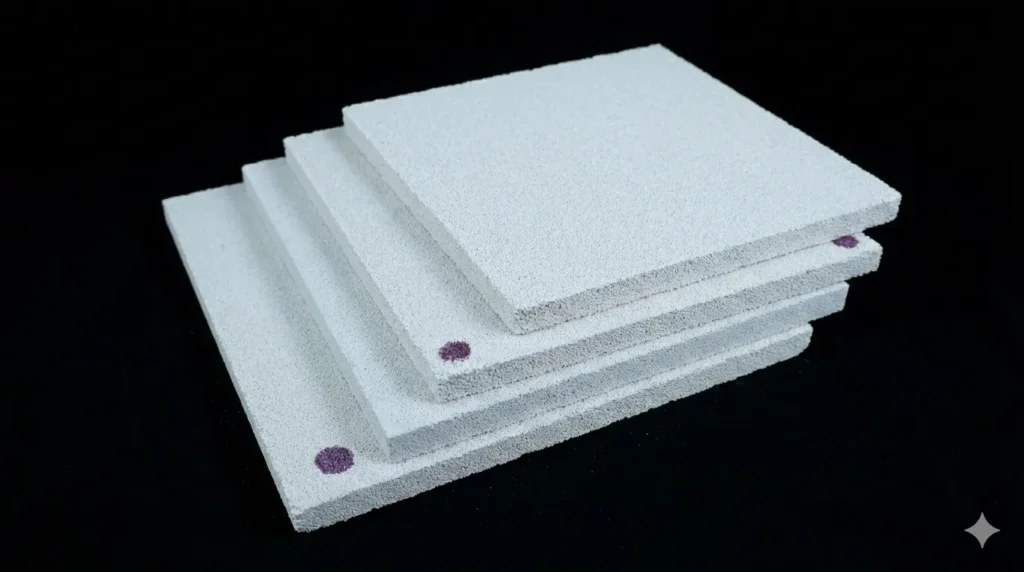
موردو مرشحات الرغوة الخزفية في الهند
سوق مرشحات الرغوة الخزفية في الهند: الحجم، والهيكل، ومحركات النمو
تحتل صناعة صب المعادن في الهند المرتبة الثانية عالمياً من حيث حجم الإنتاج، حيث تنتج ما يقارب 12–14 مليون طن متري من قطع الصب سنوياً عبر أكثر من 5,000 مصنع صب. وتخلق قاعدة الإنتاج هذه — التي تتركز في تجمعات صناعية في راجكوت (غوجارات)، وكويمباتور (تاميل نادو)، وبون وكولهابور (ماهاراشترا)، وأغرا (أوتار براديش)، وباتالا (البنجاب) — طلبًا كبيرًا ومتزايدًا على منتجات الترشيح باستخدام الرغوة الخزفية.
الهندي مرشح رغوي خزفي شهد السوق تطوراً كبيراً خلال العقد الماضي. فهذا القطاع، الذي كان يعتبر في السابق عملية الترشيح أمراً اختيارياً أو مقصوراً على قطع الصب الفاخرة، أصبح الآن يحدد بشكل متزايد استخدام مرشحات الرغوة الخزفية كممارسة قياسية في إنتاج قطع الصب المصنوعة من الألومنيوم والحديد، مدفوعاً بعدة عوامل متداخلة:
متطلبات الجودة الخاصة بمصنعي المعدات الأصلية في قطاع السيارات: يطبق قطاع السيارات في الهند — الذي يُعد ثالث أكبر منتج للسيارات في العالم — مواصفات جودة صارمة في مجال الصب، سواء من جانب الشركات المصنعة للمعدات الأصلية المحلية (تاتا، ماهيندرا، ماروتي سوزوكي) أو الشركات المصنعة للمعدات الأصلية الدولية التي تمتلك عمليات تصنيع في الهند (هيونداي، سوزوكي، هوندا، تويوتا، فولكسفاغن، ستيلانتيس). فحدود رفض قطع الصب بسبب الشوائب التي كانت مقبولة قبل عشر سنوات أصبحت الآن عيوباً تستبعد القطع من الإنتاج.
معايير الجودة الخاصة بأسواق التصدير: تزداد صادرات مصانع الصب الهندية من قطع الصب إلى أوروبا وأمريكا الشمالية واليابان. ويفرض عملاء التصدير هؤلاء متطلبات معايير AS9100 وIATF 16949 ومتطلبات أنظمة الجودة المماثلة، التي تنص فعليًّا على استخدام الترشيح بالرغوة الخزفية كخطوة موثقة في عملية مراقبة الجودة.
برنامج PLI لمكونات السيارات: يعمل برنامج الحوافز المرتبطة بالإنتاج (PLI) الذي تطبقه الهند في مجال مكونات السيارات على تسريع وتيرة الاستثمار في البنية التحتية الخاصة بجودة عمليات الصب، بما في ذلك أنظمة الترشيح.
نمو صناعة صب الألومنيوم: ينمو قطاع صب الألمنيوم في الهند بمعدل يتراوح بين 8 و12% سنويًا، مدفوعًا بالاتجاه نحو تصنيع منتجات خفيفة الوزن في صناعة السيارات، وإنتاج الدراجات النارية (تعد الهند أكبر سوق للدراجات النارية في العالم)، والسلع الاستهلاكية المعمرة. ويمثل كل طن إضافي من طاقة إنتاج صب الألمنيوم استهلاكًا إضافيًا لمرشحات الرغوة الخزفية.
خريطة تجمعات مصانع الصب الهندية وتركيز الطلب على المرشحات
| مجموعة مصانع الصب | الموقع | صب المعادن الأولي | نوع المرشح السائد | الحجم السنوي التقديري للمرشحات |
|---|---|---|---|---|
| مجموعة راجكوت | غوجارات | الألومنيوم، النحاس الأصفر | Al₂O₃، SiC | مرتفع جدًّا |
| مجموعة كويمباتور | تاميل نادو | الحديد الرمادي، الألومنيوم | SiC، Al₂O₃ | مرتفع جدًّا |
| مجموعة كولهابور | ماهاراشترا | الحديد الرمادي، الحديد المطاوع | SiC | مرتفع |
| منطقة بوني | ماهاراشترا | الألومنيوم، الحديد (صناعة السيارات) | Al₂O₃، SiC | مرتفع |
| مجموعة أغرا | أوتار براديش | الألومنيوم، النحاس الأصفر | Al₂O₃، SiC | متوسط-مرتفع |
| باتالا / جالاندار | البنجاب | الحديد (المعدات الزراعية) | SiC | متوسط |
| هوهرا / دورغابور | ولاية البنغال الغربية | الحديد، الفولاذ | SiC، ZrO₂ | متوسط |
| منطقة بيلغاوم | كارناتاكا | الحديد، الألومنيوم | SiC، Al₂O₃ | متوسط |
| منطقة جامناغار | غوجارات | النحاس الأصفر، البرونز (المعادن غير الحديدية) | SiC | متوسط |
| أورانغاباد | ماهاراشترا | الألمنيوم والحديد المستخدمان في صناعة السيارات | Al₂O₃، SiC | متوسط |
مصنعو المرشحات الرغوية الخزفية المحلية في الهند
مشهد الإنتاج المحلي في الهند
نجحت الهند في تطوير قاعدة تصنيع محلية ملموسة لمرشحات الرغوة الخزفية على مدار العقدين الماضيين. وعلى عكس الأسواق التي لا تزال تعتمد كليًّا على الواردات، تضم الهند العديد من الشركات التي تدير منشآت لإنتاج مرشحات الرغوة الخزفية — على الرغم من أن حجم الإنتاج واتساق الجودة يختلفان بشكل كبير بين المنتجين.
1. Dynacast / Dynavoid (بونة، ماهاراشترا)
تُعد هذه الشركة واحدة من أبرز الشركات الهندية المنتجة للمرشحات الرغوية الخزفية، وتقدم خدماتها لممر صناعة الصب في قطاع السيارات بمدينة بوني. وتشمل مجموعة منتجاتها مرشحات Al₂O₃ بدقة تتراوح بين 10 و40 PPI، ومرشحات SiC بدقة تتراوح بين 10 و30 PPI، المخصصة لتطبيقات صناعة الحديد المصبوب. وقد تحسنت قدرات الشركة في مجال توثيق الجودة خلال السنوات الأخيرة لتلبية متطلبات موردي المعدات الأصلية في قطاع السيارات.
2. شركة «بايروتيك» الهند (مواقع متعددة)
تقدم شركة «بايروتيك»، وهي شركة دولية متخصصة في حلول صناعة السبك ولها حضور قوي في مجالي التصنيع والتوزيع في الهند، مرشحات الرغوة الخزفية إلى جانب مستلزمات صب الألومنيوم الأخرى. وتقدم عملياتها في الهند خدماتها لقطاع صب الألومنيوم في صناعة السيارات من خلال برامج جودة موثقة.
3. شركة «ASK Chemicals» الهند
تعمل شركة «ASK Chemicals» في الهند في إطار نشاطها العالمي في مجال المواد الكيميائية والمستهلكات الخاصة بمسابك المعادن، حيث تقوم بتوزيع مرشحات الرغوة الخزفية إلى جانب المواد الرابطة والطلاءات وأنظمة التغذية. ويتكامل توريد المرشحات هذا مع برامج أوسع نطاقًا للمستهلكات الخاصة بمسابك المعادن.
4. فوسيكو الهند (إيميريس فاوندري الهند)
تدير شركة «فوسيكو» (التي أصبحت الآن جزءًا من «إيميريس فاوندري») عمليات واسعة النطاق في الهند، حيث تقوم بتوزيع خطوط إنتاج المرشحات الرغوية الخزفية «ستيليكس» و«سيفيكس» عبر شبكة موزعين وطنية. وتُعد قدراتها في مجال الدعم الفني ومعاييرها المتعلقة بالوثائق من بين الأفضل المتوفرة في السوق الهندية.
5. الشركات المصنعة الإقليمية الهندية
تقوم عدة شركات تصنيع صغيرة في ولايتي غوجارات وتاميل نادو بإنتاج مرشحات الرغوة الخزفية المخصصة بشكل أساسي للاستهلاك المحلي. وتتفاوت معايير الجودة والوثائق بشكل كبير؛ حيث يخدم هؤلاء المنتجون التطبيقات التي تراعي التكلفة ولا تتطلب شهادات جودة رسمية.
العرض المحلي الهندي مقابل العرض القائم على الواردات
| العامل | شركة تصنيع محلية هندية | شركة تصنيع دولية (مباشرة/موزع) |
|---|---|---|
| المهلة الزمنية | 7–21 يومًا | 5–30 يومًا (من المخزون أو من الإنتاج) |
| السعر (التقديري) | متوسط | من منخفض-متوسط (صيني) إلى مرتفع (أوروبي) |
| جودة التوثيق | متغير (في تحسن) | مستوى عالٍ (معتمد دوليًا) |
| الدعم الفني | متغير | قوي بشكل عام |
| الآثار المترتبة على ضريبة السلع والخدمات (GST) | ضريبة السلع والخدمات المحلية القياسية | رسوم الاستيراد + ضريبة السلع والخدمات المتكاملة (IGST) على الواردات |
| تعقيدات الجمارك | لا شيء | يلزم الحصول على تصريح الاستيراد |
| اتساق الجودة | يختلف حسب الشركة المصنعة | متسقة بشكل عام (موردون معتمدون) |
| مجموعة المنتجات | متوفر بكميات محدودة لدى بعض الشركات المصنعة | المجموعة الكاملة |
الموردون الدوليون والموزعون المعتمدون العاملون في الهند
العلامات التجارية العالمية التي لها حضور في السوق الهندية
AdTech (حاصلة على شهادة ISO 9001:2015)
تزود شركة AdTech مسابك الهند بفلاتر الرغوة الخزفية من خلال التصدير المباشر وشراكات التوزيع الهندية. وتُستخدم فلاترنا المصنوعة من Al₂O₃ وSiC وZrO₂، المتوفرة بمجموعة كاملة من نطاق PPI تتراوح بين 10 و60 PPI، في تطبيقات صب الألومنيوم والحديد والصلب في صناعة السيارات الهندية. وتدعم حزم الوثائق الكاملة — التي تشمل شهادات اختبار المصنع، وشهادات المطابقة، وتحليل التركيب الكيميائي، وبيانات الخصائص الفيزيائية — متطلبات إدارة الجودة في مسابك الهند لبرامج الصب المحلية والمخصصة للتصدير على حد سواء. كما أن الأسعار التنافسية التي تقدمها AdTech تضع منتجاتنا في مكانة متميزة مقارنةً بالمنتجين المحليين الهنود والعلامات التجارية الأوروبية البديلة.
فوسيكو / إيميريس فاوندري
تُعد خطوط المرشحات «ستيليكس» (من الألومنيوم) و«سيفيكس» (من الحديد) من شركة «فوسيكو» علامات تجارية معروفة في صناعة السباكة الهندية. وتُوزَّع هذه المنتجات عبر شبكة وطنية مدعومة بدعم فني قوي، وهي تُستخدم في تطبيقات ذات مواصفات عالية الجودة، إلا أن أسعارها أعلى بكثير من البدائل الصينية المنشأ والبدائل المحلية الهندية.
موردو المواد المتخصصة الأوروبيون
تزود العديد من الشركات الأوروبية المصنعة لمرشحات الرغوة الخزفية السوق الهندية عبر شركات تجارية ووكلاء معتمدين، وتقدم خدماتها بشكل أساسي لمصانع الصب الموجهة للتصدير وتلك التي تتعامل مع عملاء من مصنعي المعدات الأصلية (OEM) الأوروبيين الذين يطلبون مواد مطابقة للمعايير الأوروبية.
المصنعون الصينيون عبر المستوردين الهنود
يتم تغطية جزء كبير من استهلاك الهند من المرشحات الرغوية الخزفية من خلال المنتجات الصينية الصنع المستوردة عبر الشركات التجارية الهندية. وتضيف رسوم الاستيراد وضريبة السلع والخدمات المتكاملة (IGST) ما يقارب 18–25% إلى التكلفة النهائية للمنتجات الواردة من الصين، مما يؤثر على الجدوى الاقتصادية مقارنة بالبدائل المنتجة محليًّا أو المستوردة من شركة AdTech.
جدول نظرة عامة على موردي السوق الهندية
| نوع المورد | العلامات التجارية / المنتجات الرئيسية | المواقع | الحد الأدنى للطلب | فئة السعر | معيار التوثيق |
|---|---|---|---|---|---|
| فوسيكو / إيميريس الهند | ستيليكس، سيفكس | التوزيع على مستوى الهند بأكملها | صندوق واحد | فئة بريميوم | ممتاز |
| بايروتيك الهند | العلامة التجارية Pyrotek | بوني، راجكوت، تشيناي | 50 قطعة | فئة بريميوم | ممتاز |
| تقنيات الإعلانات (مباشرة/عبر الموزعين) | تقنية الإعلانات (AdTech): Al₂O₃، SiC، ZrO₂ | التصدير + الشركاء الهنود | 50 قطعة | تنافسية | ممتاز (ISO 9001) |
| المنتجون المحليون الهنود | ماركات متنوعة / محلية | غوجارات، ماهاراشترا، تاميل نادو | 100 قطعة | الاقتصاد - متوسط | متغير |
| الواردات الصينية عبر التجار | العلامات التجارية العامة | المدن الصناعية الكبرى | 100 قطعة | الاقتصاد | محدود |
| ASK Chemicals الهند | العلامة التجارية ASK | في جميع أنحاء الهند | حسب البرنامج | الفئة المتوسطة-الفاخرة | جيد |
مواصفات مرشح الرغوة الخزفي من مادة Al₂O₃ المستخدم في صناعة صب الألومنيوم في الهند
التوافق الكيميائي وأسباب هيمنة الألومينا على مسابك الألومنيوم الهندية
يستخدم قطاع صب الألمنيوم في الهند — الذي ينتج مكونات للدراجات ذات العجلتين، وسيارات الركاب، والمركبات التجارية، والسلع الاستهلاكية المعمرة، والمعدات الصناعية — بشكل شبه شامل مرشحات الرغوة الخزفية المصنوعة من الألومينا (Al₂O₃). والسبب الديناميكي الحراري في ذلك أساسي: فالألومينا (Al₂O₃) هي ألومنيوم مؤكسد بالكامل، ولا تشكل أي قوة دافعة كيميائية للتفاعل مع سبائك الألومنيوم المنصهرة.
تتبع مصانع صب الألمنيوم المخصصة لقطاع السيارات في الهند، والتي تقوم بصب سبائك A380 وADC12 وLM6 وLM25 وA356، استخدام مرشحات الألومينا كممارسة قياسية. ويُعد قطاع الدراجات ذات العجلتين — الذي يُصنع فيه هيكل المحرك ورؤوس الأسطوانات والأغطية من سبائك A380 وADC12 — أكبر مجال منفرد من حيث حجم استخدام مرشحات الألومينا في السوق الهندية.
المواصفات الكيميائية لمرشح Al₂O₃ المخصص للسوق الهندي
| المعلمة | الدرجة القياسية (السوق الهندي) | درجة ممتازة (للتصدير/للمصنعين الأصليين) | طريقة الاختبار |
|---|---|---|---|
| محتوى Al₂O₃ | ≥ 95% | ≥ 99% | تحليل XRF |
| محتوى SiO₂ | ≤ 4.5% | ≤ 0.5% | تحليل XRF |
| Fe₂O₃ | ≤ 0.6% | ≤ 0.1% | تحليل XRF |
| Na₂O + K₂O | ≤ 0.4% | ≤ 0.1% | تحليل XRF |
| TiO₂ | ≤ 0.5% | ≤ 0.2% | تحليل XRF |
| أكاسيد أخرى | ≤ 1.0% | ≤ 0.3% | تحليل XRF |
الخصائص الفيزيائية لـ Al₂O₃ (المواصفات القياسية للسوق الهندي)
| العقارات | طريقة الاختبار | 10 PPI | 20 نقطة في البوصة | 30 نقطة لكل بوصة | 40 نقطة في البوصة | 50 نقطة في البوصة |
|---|---|---|---|---|---|---|
| المسامية المفتوحة | ASTM C20 | 85–92% | 83–90% | 80–88% | 78–86% | 76–84% |
| الكثافة الظاهرية | ASTM C134 | 0.28–0.42 | 0.32–0.46 | 0.36–0.52 | 0.40–0.56 | 0.44–0.60 غ/سم³ |
| قوة الضغط | ASTM C773 | 0.35–0.58 | 0.40–0.68 | 0.46–0.78 | 0.52–0.88 | 0.58–0.98 ميجا باسكال |
| أقصى درجة حرارة للتشغيل | الشركة المصنعة | 1200 درجة مئوية | 1200 درجة مئوية | 1200 درجة مئوية | 1200 درجة مئوية | 1200 درجة مئوية |
| الانكماش الخطي | ASTM C356 | ≤ 1.5% | ≤ 1.5% | ≤ 1.5% | ≤ 1.5% | ≤ 1.5% |
| متوسط قطر المسام | تحليل الصور | 2.8–3.2 ملم | 1.3–1.7 ملم | 0.7–1.0 مم | 0.45–0.70 ملم | 0.30–0.48 ملم |
| المساحة السطحية النوعية | BET | 150–250 | 200–380 | 260–520 | 310–620 | 420–720 م²/م³ |
مواصفات مرشحات صب الألومنيوم المستخدمة في صناعة السيارات الهندية حسب الاستخدام
| طلب التقدم للتمثيل | درجة السبائك | مؤشر أسعار المنتجين الموصى به | نطاق المقاسات | مستوى التوثيق |
|---|---|---|---|---|
| علبة محرك الدراجة النارية | ADC12، A380 | 20–30 نقطة في البوصة | 100×100 إلى 150×150 ملم | أساسيات C of C |
| رأس أسطوانة الدراجة النارية | LM6، A356 | 30 نقطة لكل بوصة | 75×75 إلى 150×150 ملم | شهادة غرفة التجارة + شهادة المصنع |
| عجلة سيارة ركاب | A356، A357 | 30–40 نقطة في البوصة | 150×150 إلى 200×200 ملم | حزمة شهادات المصنع الكاملة |
| رأس الأسطوانة (مركبة ذات أربع عجلات) | A356، LM25 | 30 نقطة لكل بوصة | 150×150 إلى 200×200 ملم | شهادة المصنع + شهادة التسجيل التجاري |
| مشعب السحب | A380، LM6 | 20–30 نقطة في البوصة | 100×100 إلى 150×150 ملم | أساسيات C of C |
| علبة التروس | ADC12، A380 | 20 نقطة في البوصة | 100×100 إلى 150×150 ملم | غرفة التجارة |
| مكون هيكلي لسيارة كهربائية | A356، 6061 | 40 نقطة في البوصة | 150×150 إلى 250×250 ملم | حزمة المؤهلات الكاملة |
| هيكل المضخة/الضاغط | LM6، LM25 | 30 نقطة لكل بوصة | 100×100 إلى 200×200 ملم | شهادة المصنع |
| المعدات الزراعية | ADC12 | 20 نقطة في البوصة | 75×75 إلى 150×150 ملم | أساسيات C of C |
| السلع الاستهلاكية المعمرة | ADC12، LM6 | 20 نقطة في البوصة | 50×50 إلى 100×100 ملم | لا شيء إلى أساسي |
مواصفات مرشح الرغوة الخزفي المصنوع من كربيد السيليكون (SiC) المستخدم في صناعة صب الحديد والنحاس في الهند
لماذا يعتمد قطاع صب الحديد في الهند على مرشحات SiC؟
يبلغ إنتاج الهند من مصبوبات الحديد الرمادي والحديد المطاوع مستويات هائلة — حيث تنتج المجمعات الصناعية في كويمباتور وكولهابور وباتالا وراجكوت مئات الآلاف من الأطنان سنويًّا من المكونات المستخدمة في قطاعات الزراعة والسيارات والمضخات والصمامات والمعدات الصناعية. يتطلب صب الحديد الزهر عند درجات حرارة تتراوح بين 1350 و1480 درجة مئوية استخدام مرشحات رغوية من كربيد السيليكون؛ حيث تفشل مرشحات الألومينا فشلاً ذريعاً عند هذه الدرجات بسبب الصدمة الحرارية.
لقد أجرينا اختبارات مقارنة مباشرة في الظروف السائدة في صناعة الحديد الرمادي الهندي — حيث فشل مرشح الألومينا عند أول تلامس مع المعدن، في حين بقي مرشح SiC سليمًا طوال عملية الصب. وهذا ليس فرقًا هامشيًّا؛ بل هو السبب الذي جعل SiC المادة القياسية المستخدمة في المرشحات في ممارسات صب الحديد الهندية.
المواصفات الكيميائية لـ SiC المخصص للسوق الهندي
| المعلمة | الدرجة القياسية | درجة عالية القوة | طريقة الاختبار |
|---|---|---|---|
| نسبة SiC | ≥ 70% | ≥ 75% | XRD / XRF |
| مادة رابطة من Al₂O₃ | 15–25% | 18–22% | XRF |
| SiO₂ | ≤ 9% | ≤ 6% | XRF |
| Fe₂O₃ | ≤ 1.2% | ≤ 0.8% | XRF |
| الكربون الحر | ≤ 1.2% | ≤ 0.5% | خسارة الاحتراق |
| المكونات الأخرى | ≤ 2% | ≤ 1.5% | XRF |
الخصائص الفيزيائية لسيليكون الكربيد (معيار السوق الهندي)
| العقارات | طريقة الاختبار | 10 PPI | 20 نقطة في البوصة | 30 نقطة لكل بوصة |
|---|---|---|---|---|
| المسامية المفتوحة | ASTM C20 | 78–87% | 76–85% | 74–83% |
| الكثافة الظاهرية | ASTM C134 | 0.42–0.62 | 0.48–0.70 | 0.54–0.76 غ/سم³ |
| قوة الضغط | ASTM C773 | 0.55–0.92 | 0.65–1.08 | 0.75–1.22 ميجا باسكال |
| أقصى درجة حرارة للتشغيل | الشركة المصنعة | 1500 درجة مئوية | 1500 درجة مئوية | 1500 درجة مئوية |
| مقاومة الصدمات الحرارية | داخلي | 8 دورات أو أكثر | 8 دورات أو أكثر | 6 دورات أو أكثر |
| متوسط قطر المسام | تحليل الصور | 2.5–3.0 ملم | 1.2–1.6 ملم | 0.65–0.95 ملم |
مصفوفة تطبيقات مرشحات SiC لمصانع صب الحديد الهندية
| نوع الصب | درجة حرارة الصب | مؤشر أسعار المنتجين (PPI) | نطاق المقاسات | المتطلبات الأساسية |
|---|---|---|---|---|
| الحديد الرمادي (الزراعي) | 1350–1410 درجة مئوية | 10–15 PPI | 150×150 to 300×300mm | High flow rate |
| Gray iron (automotive) | 1360–1420°C | 15–20 PPI | 100×100 to 250×250mm | Slag + inclusion removal |
| Ductile iron (automotive) | 1380–1450°C | 20–30 نقطة في البوصة | 100×100 إلى 200×200 ملم | Mg dross capture |
| SG iron (ductile, heavy) | 1380–1440°C | 20–25 PPI | 150×150 إلى 250×250 ملم | Balance flow/cleanliness |
| Compacted graphite iron | 1380–1440°C | 20–25 PPI | 100×100 إلى 200×200 ملم | CGI-specific chemistry |
| Austempered ductile iron | 1380–1450°C | 25–30 PPI | 100×100 إلى 200×200 ملم | Premium quality target |
| High chromium iron | 1400–1480°C | 10–20 نقطة في البوصة | 100×100 إلى 200×200 ملم | Chemical resistance |
| Malleable iron | 1360–1420°C | 15–20 PPI | 100×100 إلى 200×200 ملم | Standard slag removal |
مرشحات SiC المستخدمة في صناعة سبائك النحاس والنحاس الأصفر في الهند
India’s brass casting industry — particularly concentrated in Jamnagar, Gujarat (which produces an estimated 30–40% of India’s brass components) — uses SiC ceramic foam filters at pouring temperatures of 900–1050°C for brass, and 1000–1200°C for bronze.
Jamnagar brass casting application: The standard specification in Jamnagar brass fitting production is 20–25 PPI SiC filter in 75×75mm to 150×150mm sizes. Filter use in this cluster has expanded significantly as export customers (European plumbing fittings buyers particularly) require documented cleanliness standards in supplier castings.
مرشحات رغوية من السيراميك الزركوني لتطبيقات صب الفولاذ في الهند
قطاع صب الفولاذ المتنامي في الهند
India’s steel casting industry — producing components for railways, mining, cement, power generation, and heavy engineering — operates at pouring temperatures of 1550–1650°C, well beyond the capability of both Al₂O₃ and SiC filters. Zirconia (ZrO₂) ceramic foam filters, stabilized with yttria (Y₂O₃) or magnesia (MgO), are the appropriate filter material for these applications.
The Indian steel casting sector has been a relatively late adopter of ceramic foam filtration compared to aluminum and iron casting. Cost sensitivity and the perception that filtration is unnecessary for heavy industrial castings historically limited adoption. However, export-oriented steel foundries supplying European and North American customers are increasingly specifying and documenting ceramic foam filtration.
مواصفات مرشحات الزركونيا المستخدمة في صناعة الصب الفولاذي في الهند
| المعلمة | المواصفات | طريقة الاختبار |
|---|---|---|
| ZrO₂ content | ≥ 85% | تحليل XRF |
| Stabilizer (Y₂O₃ or MgO) | 5–8% | تحليل XRF |
| Al₂O₃ | ≤ 8% | تحليل XRF |
| المسامية المفتوحة | 75–85% | طريقة أرخميدس |
| أقصى درجة حرارة للتشغيل | 1700°C (3092°F) | Manufacturer cert |
| الكثافة الظاهرية | 0.55–0.75 g/cm³ | ASTM C134 |
| قوة الضغط | 0.8–1.4 MPa | ASTM C773 |
| Available PPI range | 10–20 نقطة في البوصة | قياسي |
| Standard sizes (India) | 75×75 to 200×200mm | Per order |
مرجع لتطبيقات صب الفولاذ في الهند
| Steel Casting Type | درجة حرارة الصب | مؤشر أسعار المنتجين (PPI) | حجم المرشح | Indian Sector |
|---|---|---|---|---|
| Carbon steel valves | 1580–1620°C | 10–15 PPI | 100×100 إلى 150×150 ملم | Oil and gas, water treatment |
| Low alloy steel (railway) | 1570–1620°C | 10–15 PPI | 150×150 إلى 200×200 ملم | Railways, defense |
| Stainless steel pumps | 1620–1660°C | 10–15 PPI | 100×100 إلى 150×150 ملم | Chemical, pharma, food |
| Manganese steel (Hadfield) | 1450–1520°C | 10 PPI | 100×100 إلى 200×200 ملم | Mining, cement |
| Tool steel casting | 1600–1650°C | 10 PPI | 75×75 to 100×100mm | Specialty applications |
نظام تصنيف PPI ومنطق الاختيار لتطبيقات المسابك الهندية
المفاضلة الأساسية في سياق صناعة السباكة الهندية
The PPI selection challenge in Indian foundries carries a specific economic dimension that differs from Western markets. Indian foundries often operate with tighter cost margins and in some segments (particularly small foundries producing for domestic markets) with higher-variability melt quality than equivalent Western facilities. This means:
Higher inclusion load in metal: Many Indian foundries using secondary aluminum (recycled scrap with significant oxide contamination) or operating older melting equipment without effective fluxing and degassing face higher inclusion loads than their export-market equivalents. A 30 PPI filter that works without blockage in a clean primary aluminum melt may block prematurely in a secondary aluminum operation.
Cost pressure on filter grade: Indian procurement teams often face pressure to specify the most economical filter that meets quality requirements. This creates a risk of under-specification — choosing 20 PPI when 30 PPI is needed — which manifests as higher casting rejection rates that far outweigh the filter cost saving.
Our recommendation for Indian foundries balancing cost and performance: use the finest PPI that your melt quality supports without premature blockage. If premature blockage is occurring at 30 PPI, investigate melt quality (degassing, fluxing, skimming) before reducing to 20 PPI. Improving melt cleanliness to allow 30 PPI filtration is almost always more economically rational than reducing PPI to accommodate dirty metal.
جدول مرجعي لمؤشر أسعار المنتجين (PPI) الخاص بممارسات صناعة السبك في الهند
| تصنيف مؤشر أسعار المنتجين (PPI) | Mean Pore Diameter | Inclusion Removal (Al) | Flow Resistance | Primary Indian Application |
|---|---|---|---|---|
| 10 PPI | 2.8–3.2 ملم | 40–55% | منخفض جدًا | Heavy iron, large gray iron |
| 15 PPI | 1.8–2.2mm | 50–65% | منخفض | General gray iron |
| 20 نقطة في البوصة | 1.2–1.6 ملم | 55–70% | Low-Medium | Standard aluminum (secondary alloy); gray iron |
| 25 PPI | 0.9–1.2mm | 65–78% | متوسط | Automotive aluminum (secondary alloy) |
| 30 نقطة لكل بوصة | 0.65–0.9mm | 70–84% | متوسط | Automotive aluminum (primary/secondary); ductile iron |
| 40 نقطة في البوصة | 0.45–0.65mm | 82–91% | متوسط-مرتفع | Export automotive aluminum; two-wheeler premium |
| 50 نقطة في البوصة | 0.30–0.45mm | 88–95% | مرتفع | Aerospace export; safety-critical castings |
| 60 نقطة في البوصة | 0.20–0.30mm | 92–97% | مرتفع جدًّا | Ultra-critical; medical device; specialty |
لماذا يهيمن معيار 20 PPI على مصانع صب الألمنيوم الثانوية في الهند
A characteristic of the Indian aluminum casting market that distinguishes it from Western markets is the higher proportion of secondary aluminum (recycled alloy) used in production. Secondary aluminum — particularly in the two-wheeler engine case and consumer durables sectors — carries higher oxide and inclusion content than primary aluminum, making 30 PPI filtration prone to premature blockage in unoptimized melt operations.
This creates an Indian market dynamic where 20 PPI is the most widely specified PPI for general aluminum casting, whereas 30 PPI dominates in Western markets. As Indian foundries improve melt quality through better degassing, fluxing, and metal handling practices (driven by OEM quality requirements), the market is gradually shifting from 20 PPI toward 30 PPI as the standard specification.
المواصفات الفنية: الأبعاد، والتفاوتات المسموح بها، والخصائص الفيزيائية
الأبعاد القياسية المتوفرة في السوق الهندية
Indian foundries use both metric dimensions and some inch-reference sizes that have carried over from earlier industrial practice. The following formats are regularly stocked by Indian suppliers:
Alumina (Al₂O₃) Standard Sizes:
| Size (mm) | Common Thickness | Weight (30 PPI, approx.) | Primary Indian Application |
|---|---|---|---|
| 40 × 40 | 15mm | 22–38g | Small non-ferrous, handicrafts |
| 50 × 50 | 15mm, 22mm | 35–58g | Small aluminum casting |
| 75 × 75 | 22mm | 78–132g | Two-wheeler small components |
| 100 × 100 | 22mm, 30mm | 138–240g | Standard two-wheeler, small auto |
| 150 × 150 | 22mm, 30mm | 315–540g | Automotive casting (4-wheeler) |
| 175 × 175 | 30mm | 428–730g | Medium automotive |
| 200 × 200 | 30mm, 40mm | 554–970g | Large automotive components |
| 230 × 230 | 40mm | 730–1,250g | Heavy aluminum castings |
| 250 × 250 | 40mm, 50mm | 870–1,520g | Very large aluminum castings |
| 300 × 300 | 50mm | 1,290–2,220g | Maximum standard size |
SiC Standard Sizes (Indian Market):
| Size (mm) | Common Thickness | Weight (20 PPI, approx.) | التطبيق |
|---|---|---|---|
| 75 × 75 | 22mm | 65–98g | Small iron, brass castings |
| 100 × 100 | 22mm | 115–175g | Standard small iron |
| 150 × 150 | 22mm, 30mm | 260–390g | Standard iron castings |
| 200 × 200 | 30mm, 40mm | 462–693g | Large iron castings |
| 250 × 250 | 40mm | 722–1,083g | Heavy section iron |
| 300 × 300 | 40mm, 50mm | 1,040–1,560g | Very large iron castings |
| 380 × 380 | 50mm | 1,668–2,503g | Extra-large industrial |
التفاوتات المسمارية للتوريدات الموجهة إلى السوق الهندية
| Dimension | Standard Tolerance | Tight Tolerance (automotive/export) |
|---|---|---|
| Length / Width | ±2mm | ±1mm |
| السماكة | ±1.5mm | ±1mm |
| Squareness (diagonal) | ≤ 2mm difference | ≤ 1mm |
| Flatness / warpage | ≤ 1.5mm | ≤ 0.8mm |
| PPI rating | ±3 PPI nominal | ±2 PPI nominal |
أسعار الجملة في الهند: مؤشرات الروبية الهندية والدولار الأمريكي للفترة 2025–2026
أسعار Al2O3 حسب الحجم (روبية هندية للقطعة الواحدة، 30 PPI، جودة متوسطة)
| الحجم | Sample (10–49 pcs) | Small Wholesale (50–249 pcs) | Standard Wholesale (250–999 pcs) | Volume (1,000–4,999 pcs) | High Volume (5,000+ pcs) |
|---|---|---|---|---|---|
| 50×50×22mm | INR 42–65 | INR 32–50 | INR 26–40 | INR 21–33 | INR 17–27 |
| 100×100×22mm | INR 135–210 | INR 105–160 | INR 82–128 | INR 66–102 | INR 54–84 |
| 150×150×22mm | INR 295–460 | INR 230–355 | INR 178–278 | INR 142–222 | INR 116–182 |
| 150×150×30mm | INR 380–590 | INR 295–458 | INR 230–356 | INR 184–285 | INR 150–234 |
| 200×200×30mm | INR 520–810 | INR 405–628 | INR 314–488 | INR 251–390 | INR 205–320 |
| 250×250×40mm | INR 840–1,310 | INR 652–1,018 | INR 506–790 | INR 405–632 | INR 332–518 |
| 300×300×50mm | INR 1,240–1,930 | INR 963–1,500 | INR 748–1,165 | INR 598–932 | INR 490–764 |
أسعار SiC حسب الحجم (روبية هندية للقطعة الواحدة، 20 نقطة في البوصة)
| الحجم | Sample (10–49 pcs) | Small Wholesale (50–249 pcs) | Standard Wholesale (250–999 pcs) | Volume (1,000+ pcs) |
|---|---|---|---|---|
| 100×100×22mm | INR 170–265 | INR 132–206 | INR 102–160 | INR 84–131 |
| 150×150×22mm | INR 382–595 | INR 297–463 | INR 230–360 | INR 189–295 |
| 200×200×30mm | INR 640–997 | INR 497–775 | INR 386–601 | INR 317–493 |
| 250×250×40mm | INR 1,020–1,590 | INR 793–1,236 | INR 616–960 | INR 505–787 |
| 300×300×50mm | INR 1,490–2,320 | INR 1,158–1,803 | INR 899–1,400 | INR 737–1,148 |
أسعار ZrO₂ (روبية هندية للقطعة الواحدة، 10 PPI)
| الحجم | Small Order (10–49 pcs) | Wholesale (50–249 pcs) | Volume (250+ pcs) |
|---|---|---|---|
| 75×75×22mm | INR 420–655 | INR 326–509 | INR 253–395 |
| 100×100×22mm | INR 680–1,060 | INR 528–824 | INR 410–640 |
| 150×150×30mm | INR 1,540–2,400 | INR 1,196–1,865 | INR 928–1,447 |
| 200×200×40mm | INR 2,640–4,115 | INR 2,051–3,198 | INR 1,593–2,483 |
التسعير المكافئ بالدولار الأمريكي (84 روبية هندية لكل دولار أمريكي، مرجع عام 2026)
| Product | INR per piece (Wholesale 250+ pcs) | USD Equivalent |
|---|---|---|
| Al₂O₃, 150×150×22mm, 30 PPI | INR 178–278 | USD 2.12–3.31 |
| Al₂O₃, 200×200×30mm, 30 PPI | INR 314–488 | USD 3.74–5.81 |
| SiC, 150×150×22mm, 20 PPI | INR 230–360 | USD 2.74–4.29 |
| SiC, 200×200×30mm, 20 PPI | INR 386–601 | USD 4.60–7.15 |
| ZrO₂, 100×100×22mm, 10 PPI | INR 410–640 | USD 4.88–7.62 |
ديناميات التسعير في السوق الهندية
Import duty and GST on ceramic foam filter imports:
Ceramic foam filters imported into India fall under HSN Code 6914 or 6909. Standard customs duty is 7.5–10%, plus 18% IGST (Integrated Goods and Services Tax) on the assessable value. Combined import burden is typically 26–30% above CIF value, which significantly affects the landed cost economics of imports versus domestically manufactured or locally stocked product.
GST on domestic transactions:
Ceramic foam filters sold domestically in India attract 18% GST. Foundries registered under GST can claim input tax credit on filter purchases, partially offsetting the tax cost for B2B transactions.
INR/USD exchange rate sensitivity:
Since a significant portion of Indian market filters are imported (or import-priced), INR depreciation directly increases INR-denominated filter costs. The INR has trended from approximately 73 to 84 per USD over 2020–2025, representing a roughly 15% INR-denominated cost increase for import-based supply over this period.
Brand tier pricing differential:
The pricing gap between premium international brands (Foseco Stelex, Pyrotek) and economy domestic or Chinese-origin products in the Indian market is substantial — often 60–90% premium for international brands. Mid-tier ISO-certified products from suppliers like AdTech bridge this gap, offering certified quality at 30–45% below premium brand pricing.
مصفوفة تطبيقات المسابك الهندية: توصيات بشأن المرشحات الخاصة بكل قطاع
الصب الخاص بالدراجات ذات العجلتين والمحركات الصغيرة (خاص بالهند)
India’s two-wheeler segment is the world’s largest, producing approximately 20 million units annually. The casting requirements for two-wheeler engine components create a very specific filter demand profile:
- Typical alloys: ADC12, ADC10, A380 (die casting), LM6, LM25 (gravity/low-pressure)
- Typical components: Engine cases, cylinder heads, cylinder blocks, covers
- Typical filter spec: 20–25 PPI Al₂O₃, 100×100mm to 150×150mm
- Quality driver: Consumer durability; some OEM quality systems; cost sensitivity high
The two-wheeler sector is where India’s transition from 20 PPI to 30 PPI filtration is most visible. Major OEMs — Hero, Honda, TVS, Bajaj, Royal Enfield — have progressively tightened incoming casting quality specifications, pushing their foundry suppliers toward finer filtration and better documented quality control.
صب المعدات الزراعية
India’s agricultural equipment casting sector (tractors, implements, irrigation pumps) produces predominantly in gray iron and some aluminum. Filter specifications are generally less demanding than automotive:
- Gray iron: 10–15 PPI SiC, 150×150mm to 300×300mm
- Aluminum (pump bodies, small parts): 20 PPI Al₂O₃, 100×100mm
- Quality driver: Functional performance; limited formal certification requirement
الصب الدقيق الموجه للتصدير
Indian precision casting foundries producing for export to Europe, North America, and Japan operate at quality levels comparable to Western foundries. These operations specify:
- الألومينا: 30–40 PPI, with high-purity grade (Al₂O₃ ≥ 99%) for critical structural parts
- SiC: 20–30 PPI for ductile iron export castings
- Documentation: Full mill certificates, chemical composition analysis, ISO 9001 certification of filter supplier — mandatory for IATF 16949 automotive supplier qualification and aerospace programs
المسبوكات المستخدمة في المضخات والصمامات والوصلات (القطاع الهندسي)
The Indian pump and valve casting sector — serving oil and gas, water treatment, chemical processing, and power — uses filters across all three material types:
- Aluminum alloy pumps: 25–30 PPI Al₂O₃
- Gray/ductile iron pumps: 20 PPI SiC
- Bronze/gunmetal valves: 20–25 PPI SiC
- Stainless steel valves (export): 10–15 PPI ZrO₂
معايير الجودة والشهادات والتحقق من الموردين في الهند
إطار المعايير الهندية للمرشحات الرغوية الخزفية
The Bureau of Indian Standards (BIS) does not maintain a dedicated Indian Standard (IS) specifically for ceramic foam filter products. Indian foundry engineering specifications reference international standards, primarily ASTM (most widely used) and ISO.
المعايير الدولية الرئيسية المشار إليها في مواصفات مصانع الصب الهندية
| قياسي | Body | Application in Indian Specifications |
|---|---|---|
| ASTM C892 | ASTM | General high-temperature fiber classification (framework reference) |
| ASTM C20 | ASTM | Open porosity measurement |
| ASTM C134 | ASTM | Bulk density measurement |
| ASTM C773 | ASTM | قوة الضغط |
| ASTM C356 | ASTM | Linear shrinkage at temperature |
| ISO 9001:2015 | ISO | Supplier quality management system |
| IATF 16949 | IATF/AIAG | Automotive supply chain quality |
| AS9100 | SAE International | Aerospace quality management |
| IS 15281 | BIS | General refractory products (partial applicability) |
إطار تأهيل الموردين لمصانع الصب في قطاع السيارات الهندي
Indian foundries supplying automotive OEMs (domestic and international) must qualify their ceramic foam filter supplier as part of IATF 16949 compliance. Required elements:
Minimum qualification requirements:
- ISO 9001:2015 certificate from accredited third-party registrar
- Product-specific Certificate of Conformance with lot traceability
- Chemical composition analysis report (XRF) per production lot
- Physical property test data (density, porosity, compressive strength)
- Dimensional inspection records
Extended qualification for Tier 1 automotive supply:
- Initial sample qualification (PPAP Level 3 or equivalent)
- Statistical process control evidence from supplier
- Annual supplier audit participation
- Ongoing performance metrics tracking (PPM defect rate, delivery performance)
التحقق العملي من الجودة لمشتري مصانع الصب الهندية
Indian foundry incoming inspection teams can apply these practical verification steps without specialized laboratory equipment:
Weight verification: Weigh a sample of 5–10 filters per lot. Calculate density from measured dimensions and compare to specification. A 30 PPI Al₂O₃ filter measuring 150×150×22mm should weigh approximately 85–135g. Consistent underweight indicates insufficient ceramic content and low strength.
Pore count check: Place filter against a light source and count pores across one inch. Should match nominal PPI within ±3 PPI for standard grade, ±2 PPI for tight tolerance.
Tap test: Lightly tap each filter center — a clear ceramic ring indicates structural integrity; a dull thud suggests internal cracking. Any cracked filter should be rejected before use.
Drop test (sampling): Drop a sample filter from 300mm height onto a concrete surface. Quality filters survive; structurally weak filters with internal defects break on impact.
Chemical documentation cross-check: The Al₂O₃ percentage stated in the mill certificate should be verifiable by XRF if your foundry has access to a laboratory or local testing facility.
إمدادات التصدير: الهند كمركز لتوريد مرشحات الرغوة الخزفية للمشترين العالميين
مكانة الهند في تصدير المرشحات الرغوية الخزفية على الصعيد العالمي
While China remains the dominant global exporter of ceramic foam filters by volume, India is emerging as a credible alternative source, particularly for buyers seeking geographic supply chain diversification, quality-certified product with lower freight costs to Middle Eastern and African markets, and suppliers not subject to China-origin trade restrictions in certain procurement programs.
Indian ceramic foam filter manufacturers supplying export markets benefit from:
Duty advantages in key markets: India has preferential trade agreements with several major filter-consuming countries. Indian exports receive duty advantages under ASEAN-India FTA (for Southeast Asian markets), India-UAE CEPA (for GCC/Middle East markets), and reduced duties under GSP schemes with European and other markets.
English-language business environment: Indian manufacturers communicate in English natively, simplifying technical discussion, documentation exchange, and quality system audits with Western customers.
Competitive production costs: Indian manufacturing costs (labor, energy, overhead) are competitive with Chinese production for many product categories, particularly where quality consistency requires higher labor content.
Growing certification base: An increasing number of Indian ceramic foam filter manufacturers hold ISO 9001:2015 certification, enabling participation in export market quality programs that require certified supplier qualification.
أسعار التصدير من المصنعين الهنود (بالدولار الأمريكي، شحن من الميناء في الهند)
| Product | الحجم | مؤشر أسعار المنتجين (PPI) | USD per piece (FOB India, 500+ pcs) |
|---|---|---|---|
| Al₂O₃ standard grade | 150×150×22mm | 30 نقطة لكل بوصة | USD 1.85–2.80 |
| Al₂O₃ premium grade | 150×150×22mm | 30 نقطة لكل بوصة | USD 2.40–3.60 |
| SiC standard grade | 150×150×22mm | 20 نقطة في البوصة | USD 2.10–3.20 |
| Al₂O₃ standard grade | 200×200×30mm | 30 نقطة لكل بوصة | USD 3.20–4.85 |
| SiC standard grade | 200×200×30mm | 20 نقطة في البوصة | USD 3.65–5.50 |
| ZrO₂ grade | 100×100×22mm | 10 PPI | USD 4.20–6.40 |
قدرات الهند في مجال توثيق الصادرات
Indian ceramic foam filter manufacturers and exporters can provide:
- Commercial invoice, packing list, and Bill of Lading (standard export documents)
- Certificate of Origin (for preferential duty claim under applicable trade agreements)
- RCMC (Registration cum Membership Certificate) for export credit schemes
- GST export refund documentation
- MSDS / Safety Data Sheet
- Mill test certificate and Certificate of Conformance (ISO 9001 certified suppliers)
- Third-party inspection certificates (SGS, Bureau Veritas, Intertek — available from their Indian offices)
الأسئلة الشائعة (FAQs)
Q1: Who are the main ceramic foam filter manufacturers and suppliers in India?
The Indian ceramic foam filter supply market includes both domestic producers and international brands with local distribution. Domestic producers include Dynacast/Dynavoid (Pune), regional manufacturers in Gujarat and Tamil Nadu. International brands with strong Indian presence include Foseco/Imerys (Stelex, Sivex filters), Pyrotek India, and ASK Chemicals India. AdTech supplies the Indian market through export and local distribution partnerships, offering ISO 9001:2015 certified Al₂O₃, SiC, and ZrO₂ filters with full documentation. Chinese-origin filters are also available through Indian trading companies, though quality varies significantly between sources.
Q2: What is the difference between Al2O3 and SiC ceramic foam filters, and which should Indian foundries use?
Alumina (Al₂O₃) filters are chemically compatible with molten aluminum alloys and are the correct choice for all aluminum casting applications in India — two-wheelers, passenger car components, industrial aluminum castings. Silicon carbide (SiC) filters withstand the thermal shock of cast iron pouring temperatures (1350–1480°C) that would cause alumina filters to crack and release ceramic fragments into castings. Always specify SiC for gray iron, ductile iron, and copper/brass alloy applications. The two materials are not interchangeable — using alumina in iron casting creates catastrophic filter failure, while SiC in aluminum casting risks silicon contamination of the alloy.
Q3: What is the price of ceramic foam filters per piece in India in 2025–2026?
For the most common specification — 150×150×22mm, 30 PPI alumina filter — wholesale pricing in India ranges from approximately INR 178–278 per piece at 250+ piece quantities for mid-tier certified product, INR 295–460 per piece for premium international brands, and INR 115–175 per piece for economy domestic product. SiC filters in equivalent size are priced 25–35% higher than comparable alumina grades. Prices vary with the INR/USD exchange rate for imported product, and volume discounts of 30–50% are achievable from 1,000+ piece orders with established suppliers.
Q4: What PPI rating should Indian two-wheeler aluminum foundries specify?
Indian two-wheeler engine casting foundries using secondary aluminum alloys (ADC12, A380 from recycled scrap) typically specify 20–25 PPI alumina filters, as finer pore ratings risk premature blockage in higher-inclusion-load secondary metal. Foundries using cleaner metal (better fluxing, degassing, and drossing practices) or supplying export-quality castings can specify 30 PPI for improved inclusion removal. The shift from 20 PPI to 30 PPI in the two-wheeler sector is ongoing, driven by OEM quality requirements from Hero, Honda, TVS, and Bajaj. If premature blockage occurs at 30 PPI, improve melt quality first rather than reverting to 20 PPI.
Q5: Can I source ceramic foam filters directly from China for my Indian foundry, and is it cost-effective?
Direct import from Chinese ceramic foam filter manufacturers is technically possible for Indian buyers, but the economics require careful analysis. Import duty (7.5–10%) plus IGST (18%) adds approximately 26–30% to the CIF value, substantially narrowing the apparent price advantage over domestically supplied or Indian-distributed product. Additionally, direct import requires managing customs clearance, quality verification without hands-on supplier relationship, and longer lead times (30–50 days versus 7–21 days from domestic sources). For Indian foundries consuming large volumes (500+ pieces per month per specification), direct import with proper supplier qualification may be economical. For smaller volumes, local distributors of certified product typically offer better total value.
Q6: What quality certifications should Indian foundries require from ceramic foam filter suppliers?
The minimum quality certification that Indian automotive and export-oriented foundries should require is ISO 9001:2015 from an accredited third-party registrar. Verify the certificate is current, from a recognized accreditation body (IAF member), and covers ceramic foam filter manufacturing in its scope. Beyond the certificate, request: lot-specific Certificate of Conformance (not just a generic product data sheet), chemical composition analysis (XRF) for the production lot shipped, and physical property test data (density, porosity, compressive strength). For IATF 16949 automotive programs, the filter supplier’s ISO 9001 certificate and documented PPAP qualification are minimum requirements. Economy-grade suppliers without ISO certification should not be used in automotive quality programs regardless of price.
Q7: What import duty and GST apply when buying ceramic foam filters in India?
Ceramic foam filters imported into India are classified under HSN Code 6914 (other ceramic articles) or 6909 depending on customs classification determination. Basic customs duty is typically 7.5–10% of the CIF value. IGST (Integrated Goods and Services Tax) at 18% applies on the sum of CIF value plus customs duty. Social Welfare Surcharge (10% of basic customs duty) also applies. The combined effective import burden is approximately 27–30% above CIF value. Registered businesses can claim IGST input tax credit on legitimate business purchases, reducing the effective tax cost. Always verify current duty rates with a licensed Indian customs house agent before making import sourcing decisions.
Q8: Are ceramic foam filters manufactured in India suitable for export casting programs?
Yes — Indian foundries manufacturing for export and Indian-origin ceramic foam filter suppliers can and do satisfy export program quality requirements, provided proper certification and documentation are maintained. ISO 9001:2015 certified Indian filter manufacturers with full lot traceability, chemical analysis documentation, and physical property testing capability meet the baseline requirements for European automotive, US industrial, and similar export quality programs. For aerospace (AS9100) or defense programs, additional qualification steps are required and should be discussed with both the filter supplier and the end-use program customer. India’s growing export certification base makes it an increasingly viable source for quality-conscious international buyers seeking supply chain diversification.
Q9: How does ceramic foam filtration improve casting quality in Indian foundries, and what is the ROI?
Ceramic foam filters improve casting quality by capturing non-metallic inclusions — oxide films, slag, refractory fragments — that cause surface defects, internal porosity, reduced mechanical properties, and machining problems. The ROI calculation for Indian foundries: a typical automotive aluminum casting filter costs INR 150–300. If the filter prevents one casting rejection worth INR 500–5,000 (depending on component complexity), the payback on filter cost is immediate. Documented industry data shows casting rejection rates from inclusion-related causes typically reduce by 40–75% when moving from no filtration to 30 PPI ceramic foam filtration. For Indian foundries with 5–15% rejection rates from inclusions, this represents substantial cost recovery. Additional benefits: reduced machining tool wear from hard inclusions, improved pressure tightness of hydraulic and pneumatic components, and better surface finish reducing post-casting operations.
Q10: What is the minimum order quantity and lead time for ceramic foam filters from AdTech for Indian buyers?
AdTech accepts sample evaluation orders from 10 pieces per specification for Indian foundries performing initial qualification trials. Standard wholesale orders begin at 50–100 pieces per size and PPI combination, with volume pricing activating at 250, 500, and 1,000 pieces per item. For standard stocked specifications (Al₂O₃ and SiC in 20, 30, and 40 PPI, common sizes), fulfillment from stock occurs within 7–15 business days to Indian ports. Non-stocked specifications (less common sizes, 50–60 PPI, ZrO₂ grades) require 20–30 business days production lead time. Container-quantity shipments to India require 35–50 days total from order confirmation through Indian customs clearance. All AdTech shipments to India include complete documentation: mill test certificate, Certificate of Conformance, packing list, commercial invoice, and Certificate of Origin for applicable trade agreement duty claims.
ملخص وتوصيات عملية لمشتري مصانع الصب في الهند
India’s ceramic foam filter market is evolving rapidly, driven by automotive quality requirements, growing export orientation, and investment in foundry modernization. Buyers who understand the technical requirements and supply chain structure are positioned to make decisions that reduce rejection rates, improve casting quality, and build credible quality documentation for OEM customers.
Key recommendations from AdTech’s Indian market engagement:
For specification: Match filter material to metal — always Al₂O₃ for aluminum, SiC for iron and copper, ZrO₂ for steel. Select PPI based on melt quality: 20 PPI for high-inclusion secondary aluminum; 30 PPI as the target for automotive-quality production; 40 PPI for export and premium OEM programs.
For quality: ISO 9001:2015 supplier certification is the minimum acceptable standard for automotive and export programs. Lot-specific mill test certificates are non-negotiable for IATF 16949 compliance. Practical incoming inspection (weight check, tap test, pore count) provides useful verification without laboratory infrastructure.
For economics: Factor import duty and IGST (approximately 27–30% on CIF value) into direct import cost comparisons. Local distribution of certified product often offers better total value for small-to-medium order volumes. Volume consolidation to 500+ pieces per specification provides meaningful per-piece cost reduction.
For supply chain: Maintain 4–6 weeks of buffer stock for production-critical specifications. Qualify two suppliers for each critical filter specification before production pressure forces an unqualified substitution. For export casting programs, confirm your filter supplier can provide documentation meeting the end-customer’s specific quality system requirements.
This article is prepared by AdTech’s technical editorial team with contributions from foundry engineering consultants and casting quality specialists active in the Indian market. Pricing data, duty rates, and regulatory references reflect conditions during 2025–2026. Verify current pricing, import duty rates, and supplier qualifications directly before making procurement commitments.