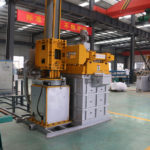
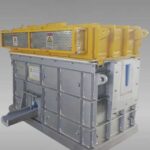
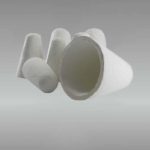
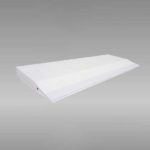
Ceramic foam filter suppliers in India include both domestic manufacturers with production facilities in Gujarat, Maharashtra, Tamil Nadu, and Rajasthan, alongside authorized distributors of international brands serving the Indian foundry market — offering alumina (Al₂O₃) filters for aluminum casting, silicon carbide (SiC) filters for gray and ductile iron casting, and zirconia (ZrO₂) filters for steel applications in standard pore sizes from 10 PPI to 60 PPI, with wholesale pricing ranging from INR 65 to INR 3,800 per piece depending on material, size, and pore density, making India one of the most cost-competitive sourcing destinations for ceramic foam filters in Asia while also serving as a significant export production base for global foundry markets.
At AdTech, we work with Indian foundry procurement managers, metallurgists, and plant engineers across the country’s rapidly expanding casting sector. India is the world’s second-largest casting producer by volume — a status that creates both enormous domestic demand for ceramic foam filters and a growing export-oriented manufacturing ecosystem. The questions we consistently receive from Indian buyers reflect a market in transition: balancing cost sensitivity with tightening quality requirements from automotive OEMs, export customers, and increasingly sophisticated end-use specifications.
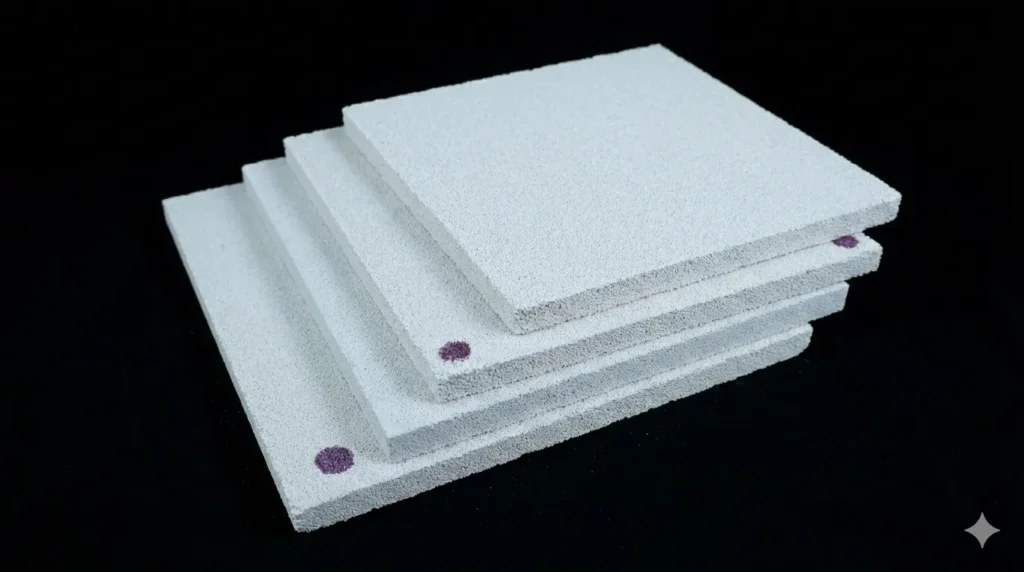
Ceramic Foam Filter Suppliers in India
India’s Ceramic Foam Filter Market: Scale, Structure, and Growth Drivers
India’s metalcasting industry ranks second globally in production volume, generating approximately 12–14 million metric tons of castings annually across more than 5,000 foundries. This production base — concentrated in clusters at Rajkot (Gujarat), Coimbatore (Tamil Nadu), Pune and Kolhapur (Maharashtra), Agra (Uttar Pradesh), and Batala (Punjab) — creates substantial and growing demand for ceramic foam filtration products.
The Indian ceramic foam filter market has evolved significantly over the past decade. A sector that once treated filtration as optional or reserved for premium castings now increasingly specifies ceramic foam filters as standard practice in aluminum and iron casting production, driven by several converging forces:
Automotive OEM quality requirements: India’s automotive sector — the world’s third-largest vehicle producer — applies tightening casting quality specifications from both domestic OEMs (Tata, Mahindra, Maruti Suzuki) and international OEMs with Indian manufacturing operations (Hyundai, Suzuki, Honda, Toyota, Volkswagen, Stellantis). Casting rejection limits for inclusions that were acceptable ten years ago are now disqualifying defects.
Export market quality standards: Indian foundries increasingly export castings to Europe, North America, and Japan. These export customers impose AS9100, IATF 16949, and similar quality system requirements that effectively mandate ceramic foam filtration as a documented quality control step.
PLI scheme for automotive components: India’s Production Linked Incentive (PLI) scheme for automotive components is accelerating investment in casting quality infrastructure, including filtration.
Aluminum casting growth: India’s aluminum casting sector is growing at 8–12% annually, driven by lightweighting in automotive, two-wheeler production (India is the world’s largest two-wheeler market), and consumer durables. Each additional ton of aluminum casting capacity represents additional ceramic foam filter consumption.
Indian Foundry Cluster Map and Filter Demand Concentration
| Foundry Cluster | Location | Primary Casting Metal | Dominant Filter Type | Estimated Annual Filter Volume |
|---|---|---|---|---|
| Rajkot cluster | Gujarat | Aluminum, brass | Al₂O₃, SiC | Very High |
| Coimbatore cluster | Tamil Nadu | Gray iron, aluminum | SiC, Al₂O₃ | Very High |
| Kolhapur cluster | Maharashtra | Gray iron, ductile iron | SiC | High |
| Pune area | Maharashtra | Aluminum, iron (automotive) | Al₂O₃, SiC | High |
| Agra cluster | Uttar Pradesh | Aluminum, brass | Al₂O₃, SiC | Medium-High |
| Batala / Jalandhar | Punjab | Iron (agricultural equipment) | SiC | Medium |
| Howrah / Durgapur | West Bengal | Iron, steel | SiC, ZrO₂ | Medium |
| Belgaum area | Karnataka | Iron, aluminum | SiC, Al₂O₃ | Medium |
| Jamnagar area | Gujarat | Brass, bronze (non-ferrous) | SiC | Medium |
| Aurangabad | Maharashtra | Automotive aluminum, iron | Al₂O₃, SiC | Medium |
Domestic Ceramic Foam Filter Manufacturers in India
The Indian Domestic Production Landscape
India has developed a meaningful domestic ceramic foam filter manufacturing base over the past two decades. Unlike markets that remain entirely import-dependent, India has several companies operating ceramic foam filter production facilities — though the production scale and quality consistency varies significantly between producers.
1. Dynacast / Dynavoid (Pune, Maharashtra)
One of the more established Indian ceramic foam filter producers, serving the Pune automotive casting corridor. Their product range covers Al₂O₃ filters in 10–40 PPI and SiC filters in 10–30 PPI for iron foundry applications. Quality documentation capability has improved in recent years to serve automotive OEM supplier requirements.
2. Pyrotek India (Multiple locations)
Pyrotek, an international foundry solutions company with significant Indian manufacturing and distribution presence, offers ceramic foam filters alongside other aluminum casting consumables. Their Indian operations serve the automotive aluminum casting sector with documented quality programs.
3. ASK Chemicals India
ASK Chemicals operates in India as part of its global foundry chemicals and consumables business, distributing ceramic foam filters alongside binders, coatings, and feeding systems. Their filter supply integrates with broader foundry consumable programs.
4. Foseco India (Imerys Foundry India)
Foseco (now part of Imerys Foundry) maintains significant Indian operations, distributing Stelex and Sivex ceramic foam filter product lines through a national distributor network. Their technical support capability and documentation standards are among the highest available in the Indian market.
5. Regional Indian manufacturers
Several smaller manufacturers in Gujarat and Tamil Nadu produce ceramic foam filters primarily for domestic consumption. Quality and documentation standards vary widely; these producers serve cost-sensitive applications where formal quality certification is not required.
Indian Domestic vs. Import-Based Supply
| Factor | Indian Domestic Manufacturer | International Manufacturer (Direct/Distributor) |
|---|---|---|
| Lead time | 7–21 days | 5–30 days (from stock or production) |
| Price (typical) | Medium | Low-Medium (Chinese) to High (European) |
| Documentation quality | Variable (improving) | High (certified international) |
| Technical support | Variable | Generally strong |
| GST implications | Standard domestic GST | Import duty + IGST on imports |
| Customs complexity | None | Import clearance required |
| Quality consistency | Variable by producer | Generally consistent (certified suppliers) |
| Product range | Limited in some producers | Full range |
International Suppliers and Authorized Distributors Operating in India
International Brands with Indian Market Presence
AdTech (ISO 9001:2015 Certified)
AdTech supplies ceramic foam filters to Indian foundries through direct export and Indian distribution partnerships. Our Al₂O₃, SiC, and ZrO₂ filters in the full PPI range from 10 to 60 PPI serve Indian automotive aluminum, iron, and steel casting applications. Full documentation packages — mill test certificates, Certificates of Conformance, chemical composition analysis, physical property data — support Indian foundries’ quality management requirements for both domestic and export casting programs. AdTech’s competitive pricing positions our product favorably against both Indian domestic producers and European brand alternatives.
Foseco / Imerys Foundry
The Stelex (aluminum) and Sivex (iron) filter lines from Foseco are recognized brands in the Indian foundry industry. Distributed through a national network with strong technical support, these products serve premium-specification applications but at a significant price premium over Chinese-origin and Indian domestic alternatives.
European Specialty Suppliers
Several European ceramic foam filter manufacturers supply the Indian market through trading companies and authorized agents, primarily serving export-oriented foundries and those with European OEM customer specifications requiring European-standard materials.
Chinese Manufacturers through Indian Importers
A substantial portion of Indian ceramic foam filter consumption is met by Chinese-manufactured product imported through Indian trading companies. Import duty and IGST add approximately 18–25% to landed cost from China, affecting the economics relative to domestically produced or AdTech-sourced alternatives.
Indian Market Supplier Overview Table
| Supplier Type | Key Brands / Products | Locations | Min Order | Price Tier | Documentation Standard |
|---|---|---|---|---|---|
| Foseco / Imerys India | Stelex, Sivex | Pan-India distribution | 1 box | Premium | Excellent |
| Pyrotek India | Pyrotek brand | Pune, Rajkot, Chennai | 50 pcs | Premium | Excellent |
| AdTech (direct/distributor) | AdTech Al₂O₃, SiC, ZrO₂ | Export + Indian partners | 50 pcs | Competitive | Excellent (ISO 9001) |
| Indian domestic producers | Various / local brands | Gujarat, Maharashtra, TN | 100 pcs | Economy-Mid | Variable |
| Chinese import via traders | Generic brands | Major industrial cities | 100 pcs | Economy | Limited |
| ASK Chemicals India | ASK brand | Pan-India | Per program | Mid-Premium | Good |
Al2O3 Ceramic Foam Filter Specifications for Indian Aluminum Casting
Chemical Compatibility and Why Alumina Dominates Indian Aluminum Foundries
India’s aluminum casting sector — producing components for two-wheelers, passenger cars, commercial vehicles, consumer durables, and industrial equipment — almost universally specifies alumina (Al₂O₃) ceramic foam filters. The thermodynamic reasoning is fundamental: Al₂O₃ is fully oxidized aluminum, presenting no chemical driving force for reaction with molten aluminum alloys.
Indian automotive aluminum foundries casting A380, ADC12, LM6, LM25, and A356 alloys specify alumina filters as standard practice. The two-wheeler sector — casting engine cases, cylinder heads, and covers in A380 and ADC12 — represents the single largest volume aluminum filter application in the Indian market.
Al2O3 Filter Chemical Specifications for Indian Market
| Parameter | Standard Grade (Indian Market) | Premium Grade (Export/OEM) | Test Method |
|---|---|---|---|
| Al₂O₃ content | ≥ 95% | ≥ 99% | XRF analysis |
| SiO₂ content | ≤ 4.5% | ≤ 0.5% | XRF analysis |
| Fe₂O₃ | ≤ 0.6% | ≤ 0.1% | XRF analysis |
| Na₂O + K₂O | ≤ 0.4% | ≤ 0.1% | XRF analysis |
| TiO₂ | ≤ 0.5% | ≤ 0.2% | XRF analysis |
| Other oxides | ≤ 1.0% | ≤ 0.3% | XRF analysis |
Al2O3 Physical Properties (Indian Market Standard Specification)
| Property | Test Method | 10 PPI | 20 PPI | 30 PPI | 40 PPI | 50 PPI |
|---|---|---|---|---|---|---|
| Open porosity | ASTM C20 | 85–92% | 83–90% | 80–88% | 78–86% | 76–84% |
| Bulk density | ASTM C134 | 0.28–0.42 | 0.32–0.46 | 0.36–0.52 | 0.40–0.56 | 0.44–0.60 g/cm³ |
| Compressive strength | ASTM C773 | 0.35–0.58 | 0.40–0.68 | 0.46–0.78 | 0.52–0.88 | 0.58–0.98 MPa |
| Max service temp | Manufacturer | 1200°C | 1200°C | 1200°C | 1200°C | 1200°C |
| Linear shrinkage | ASTM C356 | ≤ 1.5% | ≤ 1.5% | ≤ 1.5% | ≤ 1.5% | ≤ 1.5% |
| Mean pore diameter | Image analysis | 2.8–3.2mm | 1.3–1.7mm | 0.7–1.0mm | 0.45–0.70mm | 0.30–0.48mm |
| Specific surface area | BET | 150–250 | 200–380 | 260–520 | 310–620 | 420–720 m²/m³ |
Indian Automotive Aluminum Casting Filter Specifications by Application
| Casting Application | Alloy Grade | Recommended PPI | Size Range | Documentation Level |
|---|---|---|---|---|
| Two-wheeler engine case | ADC12, A380 | 20–30 PPI | 100×100 to 150×150mm | Basic C of C |
| Two-wheeler cylinder head | LM6, A356 | 30 PPI | 75×75 to 150×150mm | C of C + mill cert |
| Passenger car wheel | A356, A357 | 30–40 PPI | 150×150 to 200×200mm | Full mill cert package |
| Cylinder head (4-wheeler) | A356, LM25 | 30 PPI | 150×150 to 200×200mm | Mill cert + C of C |
| Intake manifold | A380, LM6 | 20–30 PPI | 100×100 to 150×150mm | Basic C of C |
| Gearbox housing | ADC12, A380 | 20 PPI | 100×100 to 150×150mm | C of C |
| Structural EV component | A356, 6061 | 40 PPI | 150×150 to 250×250mm | Full qualification package |
| Pump / compressor body | LM6, LM25 | 30 PPI | 100×100 to 200×200mm | Mill cert |
| Agricultural equipment | ADC12 | 20 PPI | 75×75 to 150×150mm | Basic C of C |
| Consumer durables | ADC12, LM6 | 20 PPI | 50×50 to 100×100mm | None to basic |
SiC Ceramic Foam Filter Specifications for Indian Iron and Copper Casting
Why India’s Iron Casting Sector Relies on SiC Filters
India’s gray iron and ductile iron casting production is enormous — clusters in Coimbatore, Kolhapur, Batala, and Rajkot produce hundreds of thousands of tons annually of components for agriculture, automotive, pumps, valves, and industrial equipment. Cast iron poured at 1350–1480°C requires silicon carbide foam filters; alumina filters fail catastrophically at these temperatures through thermal shock.
We have performed side-by-side comparison tests in Indian gray iron conditions — the alumina filter fails on first metal contact, while the SiC filter survives intact throughout the pour. This is not a marginal difference; it is the reason SiC has become the standard filter material across Indian iron casting practice.
SiC Chemical Specification for Indian Market
| Parameter | Standard Grade | High-Strength Grade | Test Method |
|---|---|---|---|
| SiC content | ≥ 70% | ≥ 75% | XRD / XRF |
| Al₂O₃ binder | 15–25% | 18–22% | XRF |
| SiO₂ | ≤ 9% | ≤ 6% | XRF |
| Fe₂O₃ | ≤ 1.2% | ≤ 0.8% | XRF |
| Free carbon | ≤ 1.2% | ≤ 0.5% | Loss on ignition |
| Other components | ≤ 2% | ≤ 1.5% | XRF |
SiC Physical Properties (Indian Market Standard)
| Property | Test Method | 10 PPI | 20 PPI | 30 PPI |
|---|---|---|---|---|
| Open porosity | ASTM C20 | 78–87% | 76–85% | 74–83% |
| Bulk density | ASTM C134 | 0.42–0.62 | 0.48–0.70 | 0.54–0.76 g/cm³ |
| Compressive strength | ASTM C773 | 0.55–0.92 | 0.65–1.08 | 0.75–1.22 MPa |
| Max service temperature | Manufacturer | 1500°C | 1500°C | 1500°C |
| Thermal shock resistance | Internal | ≥8 cycles | ≥8 cycles | ≥6 cycles |
| Mean pore diameter | Image analysis | 2.5–3.0mm | 1.2–1.6mm | 0.65–0.95mm |
SiC Filter Application Matrix for Indian Iron Foundries
| Casting Type | Pour Temperature | PPI | Size Range | Key Requirement |
|---|---|---|---|---|
| Gray iron (agricultural) | 1350–1410°C | 10–15 PPI | 150×150 to 300×300mm | High flow rate |
| Gray iron (automotive) | 1360–1420°C | 15–20 PPI | 100×100 to 250×250mm | Slag + inclusion removal |
| Ductile iron (automotive) | 1380–1450°C | 20–30 PPI | 100×100 to 200×200mm | Mg dross capture |
| SG iron (ductile, heavy) | 1380–1440°C | 20–25 PPI | 150×150 to 250×250mm | Balance flow/cleanliness |
| Compacted graphite iron | 1380–1440°C | 20–25 PPI | 100×100 to 200×200mm | CGI-specific chemistry |
| Austempered ductile iron | 1380–1450°C | 25–30 PPI | 100×100 to 200×200mm | Premium quality target |
| High chromium iron | 1400–1480°C | 10–20 PPI | 100×100 to 200×200mm | Chemical resistance |
| Malleable iron | 1360–1420°C | 15–20 PPI | 100×100 to 200×200mm | Standard slag removal |
SiC Filters for Indian Copper and Brass Casting
India’s brass casting industry — particularly concentrated in Jamnagar, Gujarat (which produces an estimated 30–40% of India’s brass components) — uses SiC ceramic foam filters at pouring temperatures of 900–1050°C for brass, and 1000–1200°C for bronze.
Jamnagar brass casting application: The standard specification in Jamnagar brass fitting production is 20–25 PPI SiC filter in 75×75mm to 150×150mm sizes. Filter use in this cluster has expanded significantly as export customers (European plumbing fittings buyers particularly) require documented cleanliness standards in supplier castings.
Zirconia Ceramic Foam Filters for Steel Casting Applications in India
India’s Growing Steel Casting Sector
India’s steel casting industry — producing components for railways, mining, cement, power generation, and heavy engineering — operates at pouring temperatures of 1550–1650°C, well beyond the capability of both Al₂O₃ and SiC filters. Zirconia (ZrO₂) ceramic foam filters, stabilized with yttria (Y₂O₃) or magnesia (MgO), are the appropriate filter material for these applications.
The Indian steel casting sector has been a relatively late adopter of ceramic foam filtration compared to aluminum and iron casting. Cost sensitivity and the perception that filtration is unnecessary for heavy industrial castings historically limited adoption. However, export-oriented steel foundries supplying European and North American customers are increasingly specifying and documenting ceramic foam filtration.
Zirconia Filter Specifications for Indian Steel Casting
| Parameter | Specification | Test Method |
|---|---|---|
| ZrO₂ content | ≥ 85% | XRF analysis |
| Stabilizer (Y₂O₃ or MgO) | 5–8% | XRF analysis |
| Al₂O₃ | ≤ 8% | XRF analysis |
| Open porosity | 75–85% | Archimedes method |
| Max service temperature | 1700°C (3092°F) | Manufacturer cert |
| Bulk density | 0.55–0.75 g/cm³ | ASTM C134 |
| Compressive strength | 0.8–1.4 MPa | ASTM C773 |
| Available PPI range | 10–20 PPI | Standard |
| Standard sizes (India) | 75×75 to 200×200mm | Per order |
Indian Steel Casting Application Reference
| Steel Casting Type | Pour Temperature | PPI | Filter Size | Indian Sector |
|---|---|---|---|---|
| Carbon steel valves | 1580–1620°C | 10–15 PPI | 100×100 to 150×150mm | Oil and gas, water treatment |
| Low alloy steel (railway) | 1570–1620°C | 10–15 PPI | 150×150 to 200×200mm | Railways, defense |
| Stainless steel pumps | 1620–1660°C | 10–15 PPI | 100×100 to 150×150mm | Chemical, pharma, food |
| Manganese steel (Hadfield) | 1450–1520°C | 10 PPI | 100×100 to 200×200mm | Mining, cement |
| Tool steel casting | 1600–1650°C | 10 PPI | 75×75 to 100×100mm | Specialty applications |
PPI Rating System and Selection Logic for Indian Foundry Applications
The Fundamental Trade-Off in Indian Foundry Context
The PPI selection challenge in Indian foundries carries a specific economic dimension that differs from Western markets. Indian foundries often operate with tighter cost margins and in some segments (particularly small foundries producing for domestic markets) with higher-variability melt quality than equivalent Western facilities. This means:
Higher inclusion load in metal: Many Indian foundries using secondary aluminum (recycled scrap with significant oxide contamination) or operating older melting equipment without effective fluxing and degassing face higher inclusion loads than their export-market equivalents. A 30 PPI filter that works without blockage in a clean primary aluminum melt may block prematurely in a secondary aluminum operation.
Cost pressure on filter grade: Indian procurement teams often face pressure to specify the most economical filter that meets quality requirements. This creates a risk of under-specification — choosing 20 PPI when 30 PPI is needed — which manifests as higher casting rejection rates that far outweigh the filter cost saving.
Our recommendation for Indian foundries balancing cost and performance: use the finest PPI that your melt quality supports without premature blockage. If premature blockage is occurring at 30 PPI, investigate melt quality (degassing, fluxing, skimming) before reducing to 20 PPI. Improving melt cleanliness to allow 30 PPI filtration is almost always more economically rational than reducing PPI to accommodate dirty metal.
PPI Reference Table for Indian Foundry Practice
| PPI Rating | Mean Pore Diameter | Inclusion Removal (Al) | Flow Resistance | Primary Indian Application |
|---|---|---|---|---|
| 10 PPI | 2.8–3.2mm | 40–55% | Very Low | Heavy iron, large gray iron |
| 15 PPI | 1.8–2.2mm | 50–65% | Low | General gray iron |
| 20 PPI | 1.2–1.6mm | 55–70% | Low-Medium | Standard aluminum (secondary alloy); gray iron |
| 25 PPI | 0.9–1.2mm | 65–78% | Medium | Automotive aluminum (secondary alloy) |
| 30 PPI | 0.65–0.9mm | 70–84% | Medium | Automotive aluminum (primary/secondary); ductile iron |
| 40 PPI | 0.45–0.65mm | 82–91% | Medium-High | Export automotive aluminum; two-wheeler premium |
| 50 PPI | 0.30–0.45mm | 88–95% | High | Aerospace export; safety-critical castings |
| 60 PPI | 0.20–0.30mm | 92–97% | Very High | Ultra-critical; medical device; specialty |
Why 20 PPI Dominates Indian Secondary Aluminum Foundries
A characteristic of the Indian aluminum casting market that distinguishes it from Western markets is the higher proportion of secondary aluminum (recycled alloy) used in production. Secondary aluminum — particularly in the two-wheeler engine case and consumer durables sectors — carries higher oxide and inclusion content than primary aluminum, making 30 PPI filtration prone to premature blockage in unoptimized melt operations.
This creates an Indian market dynamic where 20 PPI is the most widely specified PPI for general aluminum casting, whereas 30 PPI dominates in Western markets. As Indian foundries improve melt quality through better degassing, fluxing, and metal handling practices (driven by OEM quality requirements), the market is gradually shifting from 20 PPI toward 30 PPI as the standard specification.
Technical Specifications: Dimensions, Tolerances, and Physical Properties
Standard Dimensions Available in the Indian Market
Indian foundries use both metric dimensions and some inch-reference sizes that have carried over from earlier industrial practice. The following formats are regularly stocked by Indian suppliers:
Alumina (Al₂O₃) Standard Sizes:
| Size (mm) | Common Thickness | Weight (30 PPI, approx.) | Primary Indian Application |
|---|---|---|---|
| 40 × 40 | 15mm | 22–38g | Small non-ferrous, handicrafts |
| 50 × 50 | 15mm, 22mm | 35–58g | Small aluminum casting |
| 75 × 75 | 22mm | 78–132g | Two-wheeler small components |
| 100 × 100 | 22mm, 30mm | 138–240g | Standard two-wheeler, small auto |
| 150 × 150 | 22mm, 30mm | 315–540g | Automotive casting (4-wheeler) |
| 175 × 175 | 30mm | 428–730g | Medium automotive |
| 200 × 200 | 30mm, 40mm | 554–970g | Large automotive components |
| 230 × 230 | 40mm | 730–1,250g | Heavy aluminum castings |
| 250 × 250 | 40mm, 50mm | 870–1,520g | Very large aluminum castings |
| 300 × 300 | 50mm | 1,290–2,220g | Maximum standard size |
SiC Standard Sizes (Indian Market):
| Size (mm) | Common Thickness | Weight (20 PPI, approx.) | Application |
|---|---|---|---|
| 75 × 75 | 22mm | 65–98g | Small iron, brass castings |
| 100 × 100 | 22mm | 115–175g | Standard small iron |
| 150 × 150 | 22mm, 30mm | 260–390g | Standard iron castings |
| 200 × 200 | 30mm, 40mm | 462–693g | Large iron castings |
| 250 × 250 | 40mm | 722–1,083g | Heavy section iron |
| 300 × 300 | 40mm, 50mm | 1,040–1,560g | Very large iron castings |
| 380 × 380 | 50mm | 1,668–2,503g | Extra-large industrial |
Dimensional Tolerances for Indian Market Supply
| Dimension | Standard Tolerance | Tight Tolerance (automotive/export) |
|---|---|---|
| Length / Width | ±2mm | ±1mm |
| Thickness | ±1.5mm | ±1mm |
| Squareness (diagonal) | ≤ 2mm difference | ≤ 1mm |
| Flatness / warpage | ≤ 1.5mm | ≤ 0.8mm |
| PPI rating | ±3 PPI nominal | ±2 PPI nominal |
Wholesale Pricing in India: INR and USD Benchmarks for 2025–2026
Al2O3 Pricing by Size (INR per piece, 30 PPI, mid-tier quality)
| Size | Sample (10–49 pcs) | Small Wholesale (50–249 pcs) | Standard Wholesale (250–999 pcs) | Volume (1,000–4,999 pcs) | High Volume (5,000+ pcs) |
|---|---|---|---|---|---|
| 50×50×22mm | INR 42–65 | INR 32–50 | INR 26–40 | INR 21–33 | INR 17–27 |
| 100×100×22mm | INR 135–210 | INR 105–160 | INR 82–128 | INR 66–102 | INR 54–84 |
| 150×150×22mm | INR 295–460 | INR 230–355 | INR 178–278 | INR 142–222 | INR 116–182 |
| 150×150×30mm | INR 380–590 | INR 295–458 | INR 230–356 | INR 184–285 | INR 150–234 |
| 200×200×30mm | INR 520–810 | INR 405–628 | INR 314–488 | INR 251–390 | INR 205–320 |
| 250×250×40mm | INR 840–1,310 | INR 652–1,018 | INR 506–790 | INR 405–632 | INR 332–518 |
| 300×300×50mm | INR 1,240–1,930 | INR 963–1,500 | INR 748–1,165 | INR 598–932 | INR 490–764 |
SiC Pricing by Size (INR per piece, 20 PPI)
| Size | Sample (10–49 pcs) | Small Wholesale (50–249 pcs) | Standard Wholesale (250–999 pcs) | Volume (1,000+ pcs) |
|---|---|---|---|---|
| 100×100×22mm | INR 170–265 | INR 132–206 | INR 102–160 | INR 84–131 |
| 150×150×22mm | INR 382–595 | INR 297–463 | INR 230–360 | INR 189–295 |
| 200×200×30mm | INR 640–997 | INR 497–775 | INR 386–601 | INR 317–493 |
| 250×250×40mm | INR 1,020–1,590 | INR 793–1,236 | INR 616–960 | INR 505–787 |
| 300×300×50mm | INR 1,490–2,320 | INR 1,158–1,803 | INR 899–1,400 | INR 737–1,148 |
ZrO₂ Pricing (INR per piece, 10 PPI)
| Size | Small Order (10–49 pcs) | Wholesale (50–249 pcs) | Volume (250+ pcs) |
|---|---|---|---|
| 75×75×22mm | INR 420–655 | INR 326–509 | INR 253–395 |
| 100×100×22mm | INR 680–1,060 | INR 528–824 | INR 410–640 |
| 150×150×30mm | INR 1,540–2,400 | INR 1,196–1,865 | INR 928–1,447 |
| 200×200×40mm | INR 2,640–4,115 | INR 2,051–3,198 | INR 1,593–2,483 |
USD Equivalent Pricing (INR 84 per USD, 2026 reference)
| Product | INR per piece (Wholesale 250+ pcs) | USD Equivalent |
|---|---|---|
| Al₂O₃, 150×150×22mm, 30 PPI | INR 178–278 | USD 2.12–3.31 |
| Al₂O₃, 200×200×30mm, 30 PPI | INR 314–488 | USD 3.74–5.81 |
| SiC, 150×150×22mm, 20 PPI | INR 230–360 | USD 2.74–4.29 |
| SiC, 200×200×30mm, 20 PPI | INR 386–601 | USD 4.60–7.15 |
| ZrO₂, 100×100×22mm, 10 PPI | INR 410–640 | USD 4.88–7.62 |
Indian Market Pricing Dynamics
Import duty and GST on ceramic foam filter imports:
Ceramic foam filters imported into India fall under HSN Code 6914 or 6909. Standard customs duty is 7.5–10%, plus 18% IGST (Integrated Goods and Services Tax) on the assessable value. Combined import burden is typically 26–30% above CIF value, which significantly affects the landed cost economics of imports versus domestically manufactured or locally stocked product.
GST on domestic transactions:
Ceramic foam filters sold domestically in India attract 18% GST. Foundries registered under GST can claim input tax credit on filter purchases, partially offsetting the tax cost for B2B transactions.
INR/USD exchange rate sensitivity:
Since a significant portion of Indian market filters are imported (or import-priced), INR depreciation directly increases INR-denominated filter costs. The INR has trended from approximately 73 to 84 per USD over 2020–2025, representing a roughly 15% INR-denominated cost increase for import-based supply over this period.
Brand tier pricing differential:
The pricing gap between premium international brands (Foseco Stelex, Pyrotek) and economy domestic or Chinese-origin products in the Indian market is substantial — often 60–90% premium for international brands. Mid-tier ISO-certified products from suppliers like AdTech bridge this gap, offering certified quality at 30–45% below premium brand pricing.
Indian Foundry Application Matrix: Sector-Specific Filter Recommendations
Two-Wheeler and Small Engine Casting (India-Specific)
India’s two-wheeler segment is the world’s largest, producing approximately 20 million units annually. The casting requirements for two-wheeler engine components create a very specific filter demand profile:
- Typical alloys: ADC12, ADC10, A380 (die casting), LM6, LM25 (gravity/low-pressure)
- Typical components: Engine cases, cylinder heads, cylinder blocks, covers
- Typical filter spec: 20–25 PPI Al₂O₃, 100×100mm to 150×150mm
- Quality driver: Consumer durability; some OEM quality systems; cost sensitivity high
The two-wheeler sector is where India’s transition from 20 PPI to 30 PPI filtration is most visible. Major OEMs — Hero, Honda, TVS, Bajaj, Royal Enfield — have progressively tightened incoming casting quality specifications, pushing their foundry suppliers toward finer filtration and better documented quality control.
Agricultural Equipment Casting
India’s agricultural equipment casting sector (tractors, implements, irrigation pumps) produces predominantly in gray iron and some aluminum. Filter specifications are generally less demanding than automotive:
- Gray iron: 10–15 PPI SiC, 150×150mm to 300×300mm
- Aluminum (pump bodies, small parts): 20 PPI Al₂O₃, 100×100mm
- Quality driver: Functional performance; limited formal certification requirement
Export-Oriented Precision Casting
Indian precision casting foundries producing for export to Europe, North America, and Japan operate at quality levels comparable to Western foundries. These operations specify:
- Alumina: 30–40 PPI, with high-purity grade (Al₂O₃ ≥ 99%) for critical structural parts
- SiC: 20–30 PPI for ductile iron export castings
- Documentation: Full mill certificates, chemical composition analysis, ISO 9001 certification of filter supplier — mandatory for IATF 16949 automotive supplier qualification and aerospace programs
Pump, Valve, and Fitting Castings (Engineering Sector)
The Indian pump and valve casting sector — serving oil and gas, water treatment, chemical processing, and power — uses filters across all three material types:
- Aluminum alloy pumps: 25–30 PPI Al₂O₃
- Gray/ductile iron pumps: 20 PPI SiC
- Bronze/gunmetal valves: 20–25 PPI SiC
- Stainless steel valves (export): 10–15 PPI ZrO₂
Quality Standards, Certifications, and Supplier Verification in India
Indian Standards Framework for Ceramic Foam Filters
The Bureau of Indian Standards (BIS) does not maintain a dedicated Indian Standard (IS) specifically for ceramic foam filter products. Indian foundry engineering specifications reference international standards, primarily ASTM (most widely used) and ISO.
Key International Standards Referenced in Indian Foundry Specifications
| Standard | Body | Application in Indian Specifications |
|---|---|---|
| ASTM C892 | ASTM | General high-temperature fiber classification (framework reference) |
| ASTM C20 | ASTM | Open porosity measurement |
| ASTM C134 | ASTM | Bulk density measurement |
| ASTM C773 | ASTM | Compressive strength |
| ASTM C356 | ASTM | Linear shrinkage at temperature |
| ISO 9001:2015 | ISO | Supplier quality management system |
| IATF 16949 | IATF/AIAG | Automotive supply chain quality |
| AS9100 | SAE International | Aerospace quality management |
| IS 15281 | BIS | General refractory products (partial applicability) |
Supplier Qualification Framework for Indian Automotive Foundries
Indian foundries supplying automotive OEMs (domestic and international) must qualify their ceramic foam filter supplier as part of IATF 16949 compliance. Required elements:
Minimum qualification requirements:
- ISO 9001:2015 certificate from accredited third-party registrar
- Product-specific Certificate of Conformance with lot traceability
- Chemical composition analysis report (XRF) per production lot
- Physical property test data (density, porosity, compressive strength)
- Dimensional inspection records
Extended qualification for Tier 1 automotive supply:
- Initial sample qualification (PPAP Level 3 or equivalent)
- Statistical process control evidence from supplier
- Annual supplier audit participation
- Ongoing performance metrics tracking (PPM defect rate, delivery performance)
Practical Quality Verification for Indian Foundry Buyers
Indian foundry incoming inspection teams can apply these practical verification steps without specialized laboratory equipment:
Weight verification: Weigh a sample of 5–10 filters per lot. Calculate density from measured dimensions and compare to specification. A 30 PPI Al₂O₃ filter measuring 150×150×22mm should weigh approximately 85–135g. Consistent underweight indicates insufficient ceramic content and low strength.
Pore count check: Place filter against a light source and count pores across one inch. Should match nominal PPI within ±3 PPI for standard grade, ±2 PPI for tight tolerance.
Tap test: Lightly tap each filter center — a clear ceramic ring indicates structural integrity; a dull thud suggests internal cracking. Any cracked filter should be rejected before use.
Drop test (sampling): Drop a sample filter from 300mm height onto a concrete surface. Quality filters survive; structurally weak filters with internal defects break on impact.
Chemical documentation cross-check: The Al₂O₃ percentage stated in the mill certificate should be verifiable by XRF if your foundry has access to a laboratory or local testing facility.
Export Supply: India as a Ceramic Foam Filter Sourcing Hub for Global Buyers
India’s Position in Global Ceramic Foam Filter Export
While China remains the dominant global exporter of ceramic foam filters by volume, India is emerging as a credible alternative source, particularly for buyers seeking geographic supply chain diversification, quality-certified product with lower freight costs to Middle Eastern and African markets, and suppliers not subject to China-origin trade restrictions in certain procurement programs.
Indian ceramic foam filter manufacturers supplying export markets benefit from:
Duty advantages in key markets: India has preferential trade agreements with several major filter-consuming countries. Indian exports receive duty advantages under ASEAN-India FTA (for Southeast Asian markets), India-UAE CEPA (for GCC/Middle East markets), and reduced duties under GSP schemes with European and other markets.
English-language business environment: Indian manufacturers communicate in English natively, simplifying technical discussion, documentation exchange, and quality system audits with Western customers.
Competitive production costs: Indian manufacturing costs (labor, energy, overhead) are competitive with Chinese production for many product categories, particularly where quality consistency requires higher labor content.
Growing certification base: An increasing number of Indian ceramic foam filter manufacturers hold ISO 9001:2015 certification, enabling participation in export market quality programs that require certified supplier qualification.
Export Market Pricing from Indian Manufacturers (USD, FOB India)
| Product | Size | PPI | USD per piece (FOB India, 500+ pcs) |
|---|---|---|---|
| Al₂O₃ standard grade | 150×150×22mm | 30 PPI | USD 1.85–2.80 |
| Al₂O₃ premium grade | 150×150×22mm | 30 PPI | USD 2.40–3.60 |
| SiC standard grade | 150×150×22mm | 20 PPI | USD 2.10–3.20 |
| Al₂O₃ standard grade | 200×200×30mm | 30 PPI | USD 3.20–4.85 |
| SiC standard grade | 200×200×30mm | 20 PPI | USD 3.65–5.50 |
| ZrO₂ grade | 100×100×22mm | 10 PPI | USD 4.20–6.40 |
Indian Export Documentation Capabilities
Indian ceramic foam filter manufacturers and exporters can provide:
- Commercial invoice, packing list, and Bill of Lading (standard export documents)
- Certificate of Origin (for preferential duty claim under applicable trade agreements)
- RCMC (Registration cum Membership Certificate) for export credit schemes
- GST export refund documentation
- MSDS / Safety Data Sheet
- Mill test certificate and Certificate of Conformance (ISO 9001 certified suppliers)
- Third-party inspection certificates (SGS, Bureau Veritas, Intertek — available from their Indian offices)
Frequently Asked Questions (FAQs)
Q1: Who are the main ceramic foam filter manufacturers and suppliers in India?
The Indian ceramic foam filter supply market includes both domestic producers and international brands with local distribution. Domestic producers include Dynacast/Dynavoid (Pune), regional manufacturers in Gujarat and Tamil Nadu. International brands with strong Indian presence include Foseco/Imerys (Stelex, Sivex filters), Pyrotek India, and ASK Chemicals India. AdTech supplies the Indian market through export and local distribution partnerships, offering ISO 9001:2015 certified Al₂O₃, SiC, and ZrO₂ filters with full documentation. Chinese-origin filters are also available through Indian trading companies, though quality varies significantly between sources.
Q2: What is the difference between Al2O3 and SiC ceramic foam filters, and which should Indian foundries use?
Alumina (Al₂O₃) filters are chemically compatible with molten aluminum alloys and are the correct choice for all aluminum casting applications in India — two-wheelers, passenger car components, industrial aluminum castings. Silicon carbide (SiC) filters withstand the thermal shock of cast iron pouring temperatures (1350–1480°C) that would cause alumina filters to crack and release ceramic fragments into castings. Always specify SiC for gray iron, ductile iron, and copper/brass alloy applications. The two materials are not interchangeable — using alumina in iron casting creates catastrophic filter failure, while SiC in aluminum casting risks silicon contamination of the alloy.
Q3: What is the price of ceramic foam filters per piece in India in 2025–2026?
For the most common specification — 150×150×22mm, 30 PPI alumina filter — wholesale pricing in India ranges from approximately INR 178–278 per piece at 250+ piece quantities for mid-tier certified product, INR 295–460 per piece for premium international brands, and INR 115–175 per piece for economy domestic product. SiC filters in equivalent size are priced 25–35% higher than comparable alumina grades. Prices vary with the INR/USD exchange rate for imported product, and volume discounts of 30–50% are achievable from 1,000+ piece orders with established suppliers.
Q4: What PPI rating should Indian two-wheeler aluminum foundries specify?
Indian two-wheeler engine casting foundries using secondary aluminum alloys (ADC12, A380 from recycled scrap) typically specify 20–25 PPI alumina filters, as finer pore ratings risk premature blockage in higher-inclusion-load secondary metal. Foundries using cleaner metal (better fluxing, degassing, and drossing practices) or supplying export-quality castings can specify 30 PPI for improved inclusion removal. The shift from 20 PPI to 30 PPI in the two-wheeler sector is ongoing, driven by OEM quality requirements from Hero, Honda, TVS, and Bajaj. If premature blockage occurs at 30 PPI, improve melt quality first rather than reverting to 20 PPI.
Q5: Can I source ceramic foam filters directly from China for my Indian foundry, and is it cost-effective?
Direct import from Chinese ceramic foam filter manufacturers is technically possible for Indian buyers, but the economics require careful analysis. Import duty (7.5–10%) plus IGST (18%) adds approximately 26–30% to the CIF value, substantially narrowing the apparent price advantage over domestically supplied or Indian-distributed product. Additionally, direct import requires managing customs clearance, quality verification without hands-on supplier relationship, and longer lead times (30–50 days versus 7–21 days from domestic sources). For Indian foundries consuming large volumes (500+ pieces per month per specification), direct import with proper supplier qualification may be economical. For smaller volumes, local distributors of certified product typically offer better total value.
Q6: What quality certifications should Indian foundries require from ceramic foam filter suppliers?
The minimum quality certification that Indian automotive and export-oriented foundries should require is ISO 9001:2015 from an accredited third-party registrar. Verify the certificate is current, from a recognized accreditation body (IAF member), and covers ceramic foam filter manufacturing in its scope. Beyond the certificate, request: lot-specific Certificate of Conformance (not just a generic product data sheet), chemical composition analysis (XRF) for the production lot shipped, and physical property test data (density, porosity, compressive strength). For IATF 16949 automotive programs, the filter supplier’s ISO 9001 certificate and documented PPAP qualification are minimum requirements. Economy-grade suppliers without ISO certification should not be used in automotive quality programs regardless of price.
Q7: What import duty and GST apply when buying ceramic foam filters in India?
Ceramic foam filters imported into India are classified under HSN Code 6914 (other ceramic articles) or 6909 depending on customs classification determination. Basic customs duty is typically 7.5–10% of the CIF value. IGST (Integrated Goods and Services Tax) at 18% applies on the sum of CIF value plus customs duty. Social Welfare Surcharge (10% of basic customs duty) also applies. The combined effective import burden is approximately 27–30% above CIF value. Registered businesses can claim IGST input tax credit on legitimate business purchases, reducing the effective tax cost. Always verify current duty rates with a licensed Indian customs house agent before making import sourcing decisions.
Q8: Are ceramic foam filters manufactured in India suitable for export casting programs?
Yes — Indian foundries manufacturing for export and Indian-origin ceramic foam filter suppliers can and do satisfy export program quality requirements, provided proper certification and documentation are maintained. ISO 9001:2015 certified Indian filter manufacturers with full lot traceability, chemical analysis documentation, and physical property testing capability meet the baseline requirements for European automotive, US industrial, and similar export quality programs. For aerospace (AS9100) or defense programs, additional qualification steps are required and should be discussed with both the filter supplier and the end-use program customer. India’s growing export certification base makes it an increasingly viable source for quality-conscious international buyers seeking supply chain diversification.
Q9: How does ceramic foam filtration improve casting quality in Indian foundries, and what is the ROI?
Ceramic foam filters improve casting quality by capturing non-metallic inclusions — oxide films, slag, refractory fragments — that cause surface defects, internal porosity, reduced mechanical properties, and machining problems. The ROI calculation for Indian foundries: a typical automotive aluminum casting filter costs INR 150–300. If the filter prevents one casting rejection worth INR 500–5,000 (depending on component complexity), the payback on filter cost is immediate. Documented industry data shows casting rejection rates from inclusion-related causes typically reduce by 40–75% when moving from no filtration to 30 PPI ceramic foam filtration. For Indian foundries with 5–15% rejection rates from inclusions, this represents substantial cost recovery. Additional benefits: reduced machining tool wear from hard inclusions, improved pressure tightness of hydraulic and pneumatic components, and better surface finish reducing post-casting operations.
Q10: What is the minimum order quantity and lead time for ceramic foam filters from AdTech for Indian buyers?
AdTech accepts sample evaluation orders from 10 pieces per specification for Indian foundries performing initial qualification trials. Standard wholesale orders begin at 50–100 pieces per size and PPI combination, with volume pricing activating at 250, 500, and 1,000 pieces per item. For standard stocked specifications (Al₂O₃ and SiC in 20, 30, and 40 PPI, common sizes), fulfillment from stock occurs within 7–15 business days to Indian ports. Non-stocked specifications (less common sizes, 50–60 PPI, ZrO₂ grades) require 20–30 business days production lead time. Container-quantity shipments to India require 35–50 days total from order confirmation through Indian customs clearance. All AdTech shipments to India include complete documentation: mill test certificate, Certificate of Conformance, packing list, commercial invoice, and Certificate of Origin for applicable trade agreement duty claims.
Summary and Practical Recommendations for Indian Foundry Buyers
India’s ceramic foam filter market is evolving rapidly, driven by automotive quality requirements, growing export orientation, and investment in foundry modernization. Buyers who understand the technical requirements and supply chain structure are positioned to make decisions that reduce rejection rates, improve casting quality, and build credible quality documentation for OEM customers.
Key recommendations from AdTech’s Indian market engagement:
For specification: Match filter material to metal — always Al₂O₃ for aluminum, SiC for iron and copper, ZrO₂ for steel. Select PPI based on melt quality: 20 PPI for high-inclusion secondary aluminum; 30 PPI as the target for automotive-quality production; 40 PPI for export and premium OEM programs.
For quality: ISO 9001:2015 supplier certification is the minimum acceptable standard for automotive and export programs. Lot-specific mill test certificates are non-negotiable for IATF 16949 compliance. Practical incoming inspection (weight check, tap test, pore count) provides useful verification without laboratory infrastructure.
For economics: Factor import duty and IGST (approximately 27–30% on CIF value) into direct import cost comparisons. Local distribution of certified product often offers better total value for small-to-medium order volumes. Volume consolidation to 500+ pieces per specification provides meaningful per-piece cost reduction.
For supply chain: Maintain 4–6 weeks of buffer stock for production-critical specifications. Qualify two suppliers for each critical filter specification before production pressure forces an unqualified substitution. For export casting programs, confirm your filter supplier can provide documentation meeting the end-customer’s specific quality system requirements.
This article is prepared by AdTech’s technical editorial team with contributions from foundry engineering consultants and casting quality specialists active in the Indian market. Pricing data, duty rates, and regulatory references reflect conditions during 2025–2026. Verify current pricing, import duty rates, and supplier qualifications directly before making procurement commitments.