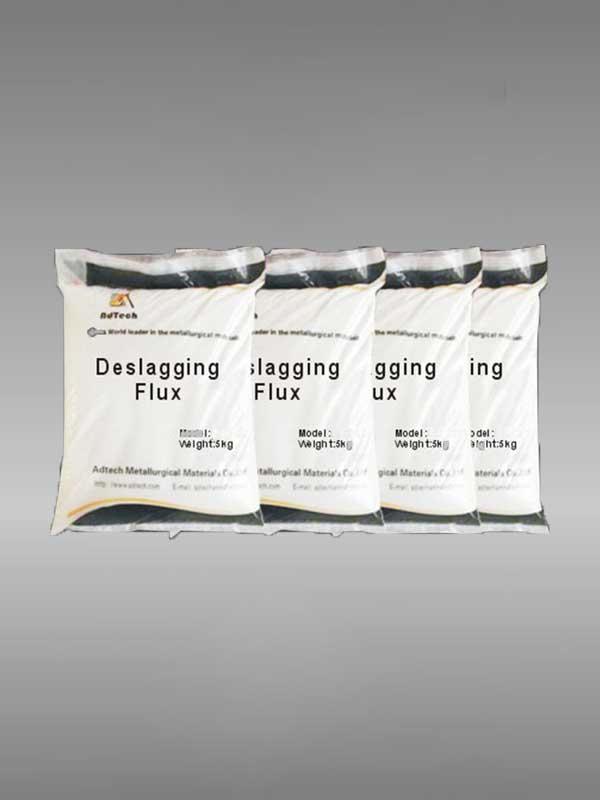
During aluminum melting and holding, oxide slag continuously forms on the molten aluminum surface. These slags contain aluminum oxides, non-metallic inclusions, impurities, and a large amount of trapped molten aluminum.
Without proper slag treatment, usable molten aluminum is removed together with the dross, increasing aluminum loss and reducing production efficiency.
Slagging Flux is a chemical white powder mainly used for aluminum and aluminum alloys other than high-magnesium aluminum alloys. It is specially designed to improve slag separation, recover trapped aluminum from dross, reduce slag adhesion, and improve molten aluminum cleanliness during aluminum melt treatment.
Compared with conventional slag cleaning methods, modern aluminum slagging flux helps:
- Reduce aluminum loss
- Improve metal recovery
- Remove slag and impurities
- Improve molten aluminum cleanliness
- Reduce slag adhesion to furnace lining
- Improve economic efficiency
AdTech slagging flux is widely used in:
- Aluminum melting furnaces
- Billet casting operations
- Wheel casting
- Aluminum scrap remelting
- Rolling slab production
- Foundry aluminum alloy processing
What Is Slagging Flux?
Slagging Flux is a molten aluminum treatment material used to separate slag and impurities from molten aluminum during aluminum melting and casting operations.
The product is typically a white powder refining material specially designed for aluminum melt slag removal and aluminum recovery improvement.
It is mainly suitable for aluminum and aluminum alloys except high-magnesium aluminum alloys.
The slagging process changes the interfacial tension between molten aluminum and the slag body, reduces the bonding force between molten aluminum and slag, and effectively separates metal aluminum from dross.
This process helps:
- Reduce aluminum loss
- Improve aluminum recovery rate
- Improve molten aluminum cleanliness
- Remove oxide slag
- Reduce non-metallic inclusions
Modern aluminum casthouses widely use slagging flux during molten aluminum refining and furnace cleaning operations.
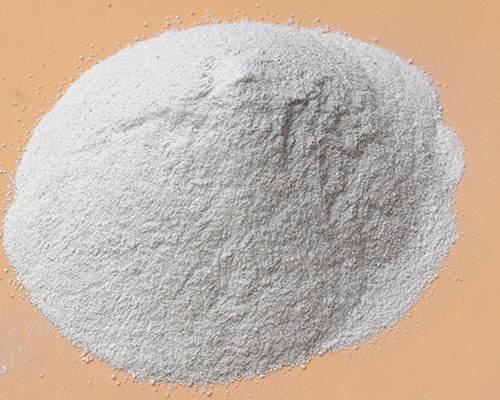
Molten Aluminum Refining Fluxes
Product Specifications
Standard Deslagging Flux Types
| Type | Function | Scope of Application | Dosage per Ton | Refining Temperature |
|---|---|---|---|---|
| 622DF | Na-free type, inclusion separating and deslagging | Molten casting metal deslagging and purifying, especially suitable for A356.2 alloy and wheel casting without affecting strontium modification | 1.0–2.0kg | 720–740℃ |
| 633DF | Multifunctional deslagging flux, inclusion separating and deslagging | Molten casting metal covering in furnace, aluminum and slag separation, furnace cleaning and purifying | 1.0–2.0kg | 720–740℃ |
Packing Specifications
| Item | Specification |
|---|---|
| Internal Packaging | 2–5kg/bag |
| Carton Packaging | 25kg/carton |
| Pallet Packaging | 1 Ton/pallet |
| Special Packaging | As per requirement |
| Storage Condition | Stored in ventilated and dry environment |
| Shelf Life | 6–12 months |
If your project requires the use of Slagging Flux, you can contact us for a free quote.
Why Slag Removal Is Important in Aluminum Melting
After aluminum and aluminum alloys are melted, especially after using non-sodium granulated refining flux, a thin layer of slag and scum forms on the surface of the molten aluminum.
These slags often contain a large amount of trapped molten aluminum.
If slag is removed directly without treatment:
- Aluminum recovery decreases
- Metal loss increases
- Melt cleanliness becomes unstable
- Production cost rises
The function of slagging is to change the wettability between slag and molten aluminum while increasing the surface tension at the slag-aluminum interface.
This makes it more difficult for molten aluminum to adhere to the slag, reducing the amount of molten aluminum removed during slag skimming.
As a result, slagging treatment improves aluminum recovery efficiency and increases economic benefits.
Modern aluminum producers focus heavily on slag management because even small improvements in aluminum recovery can significantly reduce production cost over time.
How Slagging Flux Works
After the slagging flux enters the molten aluminum, a large number of bubbles escape and create a stirring effect inside the melt.
These bubbles help pull slag and oxide impurities from the molten aluminum to the surface of the metal liquid, improving slag separation efficiency and melt cleanliness.
The slagging flux changes the wettability relationship between molten aluminum and the slag layer while improving slag fluidity.
This process helps:
- Separate aluminum beads from slag
- Float impurities to the surface
- Reduce slag adhesion
- Improve molten aluminum cleanliness
Part of the alumina may decompose during the treatment process, forming light and loose powder slag that is easier to remove from the furnace surface.
The treated slag becomes drier, lighter, and easier to skim, helping reduce aluminum entrainment inside the dross.
Main Functions of Aluminum Slagging Flux
Separate Aluminum from Slag
One of the primary functions of slagging flux is recovering trapped molten aluminum from the slag layer.
This helps improve aluminum utilization rate and reduce oxidation-related metal loss.
Improve Molten Aluminum Cleanliness
Slagging flux helps remove:
- Oxide inclusions
- Non-metallic impurities
- Floating slag particles
Cleaner molten aluminum improves casting quality and downstream processing performance.
Reduce Slag Adhesion
The treated slag becomes loose and powdery, reducing adhesion to furnace lining surfaces.
This improves furnace cleaning efficiency and maintenance conditions.
Improve Aluminum Recovery Efficiency
Better aluminum separation significantly improves economic efficiency during aluminum melting and scrap remelting operations.
Advantages of AdTech Slagging Flux
Good Heat Generation Performance
The slagging flux generates effective thermal reaction performance during molten aluminum treatment.
This improves slag separation efficiency and aluminum recovery.
Excellent Aluminum-Slag Separation
The product effectively separates aluminum beads from the slag layer and improves molten aluminum recovery.
Reduced Slag Adhesion
The treated slag becomes light and loose, reducing adhesion to furnace walls and lining surfaces.
Improved Molten Aluminum Cleanliness
The product helps remove slag and oxide impurities from molten aluminum, improving melt quality.
Stable Refining Performance
Uniform particle structure helps maintain stable refining and slagging performance during aluminum treatment operations.
Compatible with Complete Melt Treatment Systems
AdTech slagging flux can be used together with:
- Non-sodium granulated flux
- Inline aluminum degassing systems
- Ceramic foam filters
- Molten aluminum launders
- Tundish systems
Applications of Slagging Flux
Aluminum Melting Furnaces
Slagging flux is widely used during furnace melting and molten aluminum holding operations.
Aluminum Scrap Remelting
Scrap remelting operations often generate heavy oxide slag and require efficient aluminum recovery.
Wheel Casting
The product is especially suitable for A356.2 alloy and wheel casting applications without affecting strontium modification performance.
Billet Casting
Cleaner molten aluminum improves billet surface quality and downstream extrusion performance.
Rolling Slab Production
Stable molten aluminum cleanliness improves rolling quality and downstream processing consistency.
Recommended Usage Process
Refining Treatment
When the aluminum alloy temperature reaches approximately 660–720℃, refining agent can be added for hydrogen removal treatment.
The refining process is mainly used to remove dissolved hydrogen from molten aluminum.
Slagging Treatment
After refining treatment, add slagging flux and fully stir the molten aluminum.
The slagging treatment is mainly used to:
- Remove slag
- Separate aluminum from dross
- Remove impurities
- Improve melt cleanliness
Covering Treatment
After slag removal, covering agents such as expanded graphite or expanded perlite may be added to reduce hydrogen absorption from the atmosphere and maintain temperature stability.
Furnace Cleaning
Furnace cleaning agents may be used after melting operations to clean furnace walls and maintain stable molten aluminum treatment conditions.
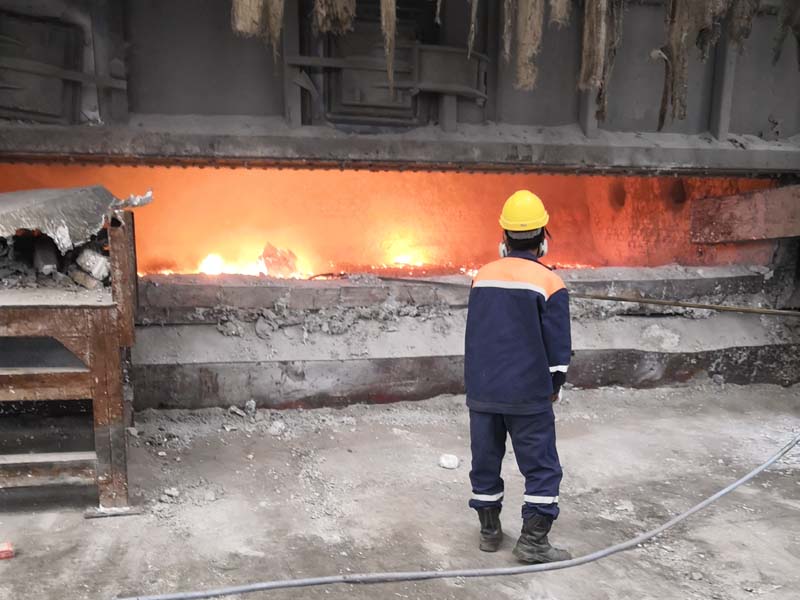
slagging Flux
Instructions for Slagging Flux Use
Standard Slagging Process
After refining, evenly spread the slagging flux powder on the slag surface and stir in time.
After crushing the slag, remove the slag powder from the molten aluminum surface.
Use as Covering Agent
If the slagging flux is used as a covering agent, it is recommended to add the flux in three stages:
- First addition: when the charge starts melting
- Second addition: after complete melting
- Third addition: during slag-aluminum separation and refining
This process helps maintain better molten aluminum cleanliness and aluminum recovery efficiency.
Common Problems Caused by Poor Slag Removal
Improper slag treatment can negatively affect aluminum casting quality and production efficiency.
High Aluminum Loss
Untreated slag may contain large amounts of trapped molten aluminum.
Oxide Inclusions
Poor slag management increases oxide contamination inside molten aluminum.
Surface Defects
Oxide inclusions and slag particles may cause:
- Surface streaks
- Black lines
- Slag marks
- Inclusion defects
Reduced Mechanical Properties
Impurity contamination may weaken final aluminum product performance.
Improve Aluminum Recovery and Melt Cleanliness with AdTech Slagging Flux
Efficient slag removal is essential for reducing aluminum loss and maintaining stable molten aluminum quality during aluminum casting operations.
AdTech slagging flux helps improve aluminum recovery, reduce oxide inclusions, minimize slag adhesion, and enhance molten aluminum cleanliness for aluminum casting and remelting applications.
Combined with aluminum refining flux, inline degassing systems, ceramic foam filters, and stable molten aluminum transfer systems, AdTech slagging flux supports cleaner melt treatment and more efficient aluminum production processes.
FAQ
1. What is slagging flux used for?
Slagging flux is used to separate slag and impurities from molten aluminum while recovering trapped aluminum from the dross layer.
2. How does slagging flux improve aluminum recovery?
The flux improves separation between molten aluminum and slag, allowing trapped aluminum droplets to return to the melt.
3. Can slagging flux reduce aluminum loss?
Yes. Proper slagging treatment helps reduce aluminum trapped inside slag and improves overall metal utilization.
4. Is slagging flux suitable for all aluminum alloys?
Most aluminum and aluminum alloys can use slagging flux, except certain high-magnesium aluminum alloys.
5. What defects can poor slag removal cause?
Poor slag management may cause oxide inclusions, surface defects, black lines, slag marks, and reduced mechanical properties.
6. Can slagging flux improve molten aluminum cleanliness?
Yes. Slagging flux helps remove oxide inclusions and non-metallic impurities from molten aluminum.
7. How is slagging flux applied?
The flux is typically spread evenly on the molten aluminum surface and stirred properly to improve slag separation.
8. What is the recommended slagging temperature?
Typical slagging treatment temperature is approximately 720–740℃ depending on alloy and process conditions.
9. Can slagging flux be used with degassing systems?
Yes. Slagging flux is commonly used together with aluminum degassing systems and ceramic foam filtration for complete melt treatment.
10. How should slagging flux be stored?
The product should be stored in a dry and ventilated environment to maintain stable refining performance.