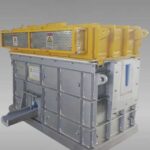
Methods of degassing in foundry mainly include flux refining and inert gas degassing. These processes remove dissolved hydrogen and reduce oxide inclusions in molten aluminum before casting. Among them, inert gas purging with argon or nitrogen is widely used because fine gas bubbles provide a large contact area for hydrogen diffusion and inclusion flotation, improving casting quality and reducing porosity defects.
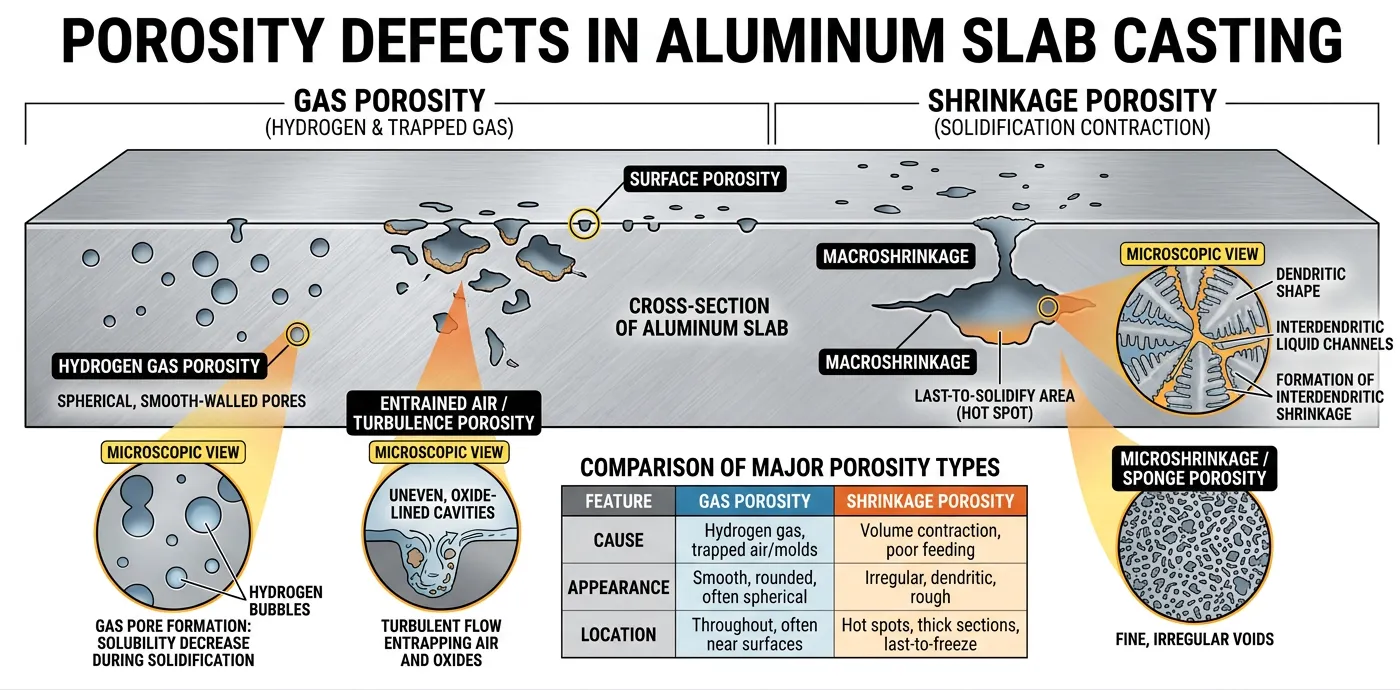
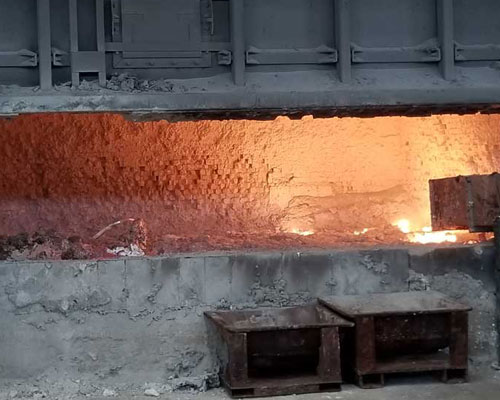
porosity defects in aluminum slab casting
What Are The Main Methods Of Degassing In Foundry?
Degassing is an essential step in the molten metal treatment process, especially for aluminum alloys. During melting, aluminum easily absorbs hydrogen from moisture in the atmosphere, wet charge materials, furnace atmosphere, and contaminated tools. Unlike most impurities, dissolved hydrogen cannot be removed by filtration alone because it exists at the atomic level inside the liquid metal.
When molten aluminum solidifies, hydrogen solubility decreases significantly. The excess hydrogen forms microscopic gas pores, which can negatively affect mechanical properties, pressure tightness, surface quality, and fatigue performance.
The two main foundry degassing methods used in aluminum casting are:
- تكرير الفلوكس
- Inert gas degassing
Modern aluminum production often combines degassing with melt filtration because hydrogen and non-metallic inclusions are different types of contamination. Degassing removes dissolved gases, while ceramic filtration systems remove solid particles such as oxide films and carbide inclusions.
| Degassing Method | Basic Principle | Main Target | تطبيق نموذجي |
|---|---|---|---|
| تكرير الفلوكس | Chemical reaction and generated gas bubbles remove impurities | Hydrogen + oxide inclusions | General aluminum melting |
| Inert gas purging | Argon or nitrogen bubbles absorb hydrogen and float upward | الهيدروجين المذاب | Aluminum casting lines |
| إزالة الغازات بواسطة المكره الدوار | Rotor creates fine dispersed bubbles for better gas-metal contact | Hydrogen + inclusions | High-quality aluminum alloys |
| Vacuum degassing | Reduced pressure extracts dissolved gases | Dissolved gas removal | Special alloy production |
Among these methods, rotary impeller degassing has become one of the most widely adopted technologies because it provides stable gas dispersion and higher hydrogen removal efficiency compared with simple lance injection.
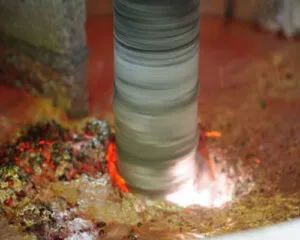
إزالة الغازات من الألومنيوم
Why Is Degassing Important In Aluminum Foundry?
How Does Hydrogen Cause Defects In Aluminum Castings?
Hydrogen is considered one of the most harmful dissolved gases in molten aluminum. The reason is the large difference in hydrogen solubility between liquid and solid aluminum.
At melting temperatures, aluminum can dissolve a relatively high amount of hydrogen. However, during solidification, the solubility decreases rapidly. If hydrogen cannot escape before the metal becomes solid, it forms internal pores.
Common casting defects caused by excessive hydrogen include:
| عيب | السبب | Effect On Final Product |
|---|---|---|
| مسامية الغاز | ترسيب الهيدروجين أثناء التصلب | Reduced mechanical strength |
| Internal cavities | Poor hydrogen removal | Leakage risk |
| عيوب السطح | Gas expansion near surface | Poor appearance |
| Fatigue failure | Porosity acts as crack initiation point | Reduced service life |
For applications such as automotive structural parts, aerospace components, aluminum foil stock, and high-strength extrusion billets, controlling hydrogen content is a critical quality requirement.
The purpose of an effective aluminum melt degassing process is not simply to remove gas, but to achieve consistent melt cleanliness before casting.
How Does Inert Gas Degassing Remove Hydrogen From Molten Aluminum?
What Is The Working Principle Of Inert Gas Purging?
Inert gas degassing works through hydrogen diffusion and flotation. During the process, argon or nitrogen is introduced into molten aluminum through a gas injection tube, porous plug, or rotary impeller.
Because the injected inert gas contains almost no hydrogen, the hydrogen partial pressure inside the gas bubble is close to zero. The hydrogen concentration in the surrounding molten aluminum is much higher, creating a concentration gradient.
Hydrogen atoms naturally diffuse from the molten aluminum into the gas bubbles.
The process can be summarized as follows:
- Inert gas bubbles enter the molten aluminum.
- Dissolved hydrogen migrates into the bubbles.
- The bubbles rise through the melt.
- Hydrogen escapes from the metal surface.
- Cleaner aluminum remains for casting.
This principle follows the gas-liquid equilibrium relationship described by Sieverts’ law, where hydrogen solubility in liquid metal depends on hydrogen partial pressure.
The efficiency of hydrogen removal depends mainly on:
- حجم الفقاعة
- معدل تدفق الغاز
- Contact time
- Melt temperature
- تصميم الدوار
- تركيب السبائك
| العامل | Influence On Degassing Efficiency |
|---|---|
| Smaller bubbles | Increase gas-metal contact area |
| Longer residence time | Allow more hydrogen diffusion |
| Stable gas dispersion | Improve treatment consistency |
| Proper temperature control | Maintain effective hydrogen removal |
Large bubbles may quickly escape from the melt with limited hydrogen absorption, while smaller bubbles provide much greater surface area for mass transfer.
اتصل بنا للحصول على استشارة فنية
Why Are Fine Bubbles Important In Molten Metal Degassing?
How Does Bubble Size Affect Hydrogen Removal Efficiency?
The effectiveness of inert gas degassing is closely related to the surface area of gas bubbles.
A single large bubble has a relatively small surface area compared with its volume. In contrast, thousands of small bubbles create a much larger total interface area between gas and molten aluminum.
وهذا يؤدي إلى تحسين:
- Hydrogen diffusion rate
- Inclusion attachment
- Gas utilization efficiency
This is why industrial aluminum plants increasingly use rotary impeller degassing systems instead of simple gas lances.
| Gas Injection Method | Bubble Characteristics | Degassing Performance |
|---|---|---|
| Gas lance | Large, uneven bubbles | معتدل |
| Porous plug | Smaller bubbles | تم تحسينه |
| Rotary impeller | Fine and uniformly distributed bubbles | High efficiency |
A properly designed rotor does more than inject gas. It creates controlled turbulence that distributes bubbles throughout the melt while avoiding excessive oxidation caused by unnecessary surface disturbance.
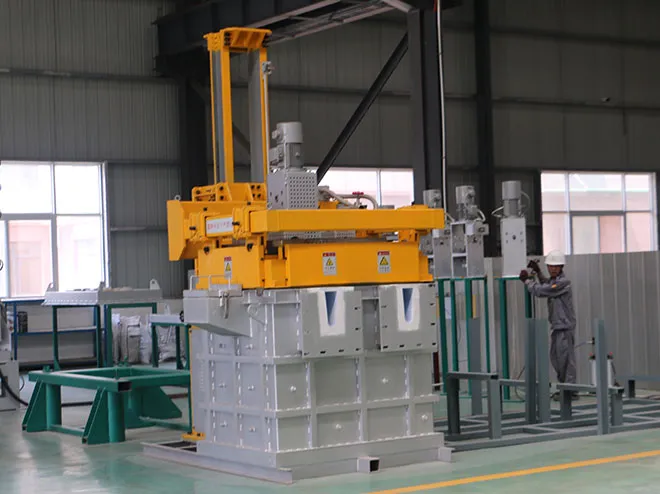
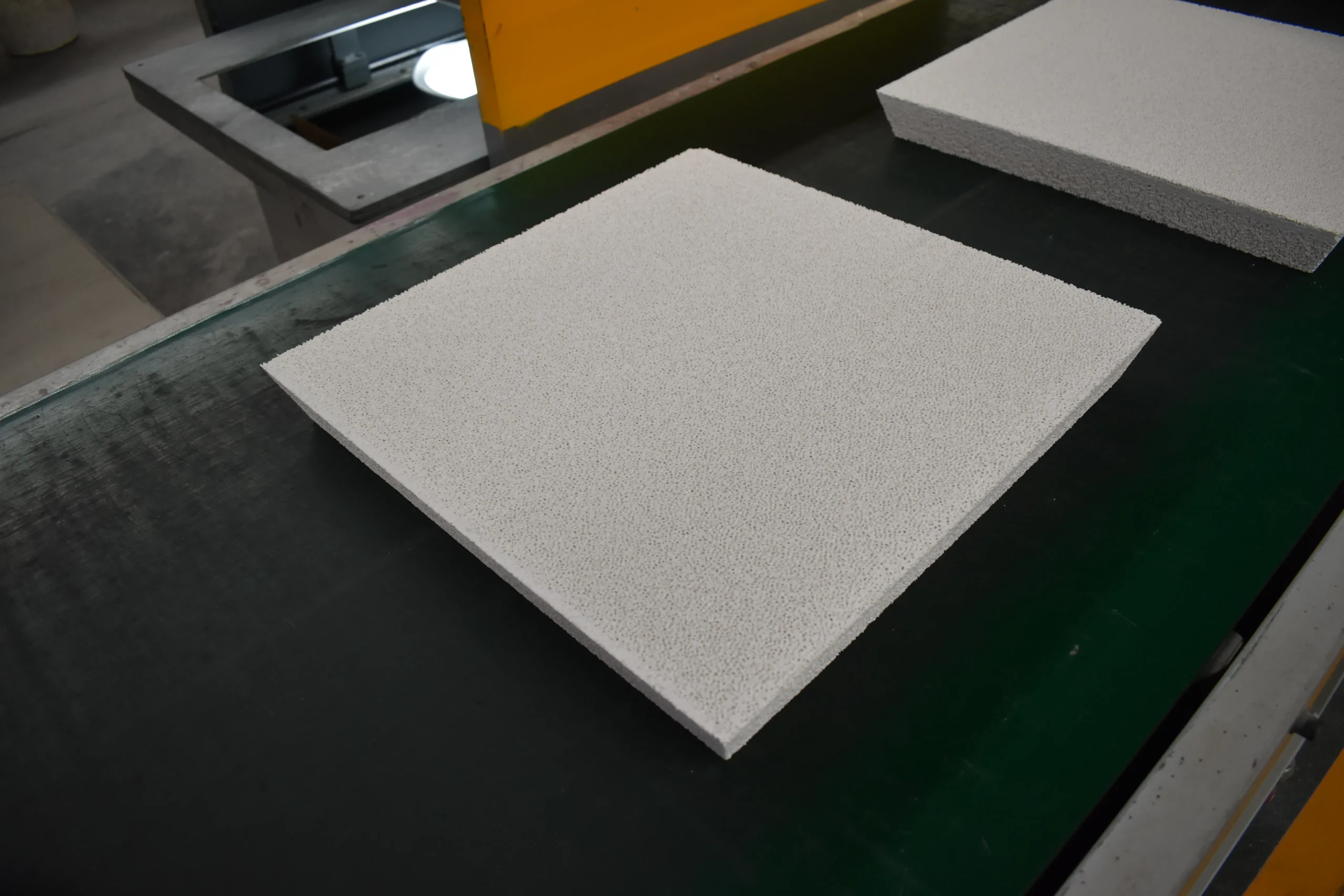
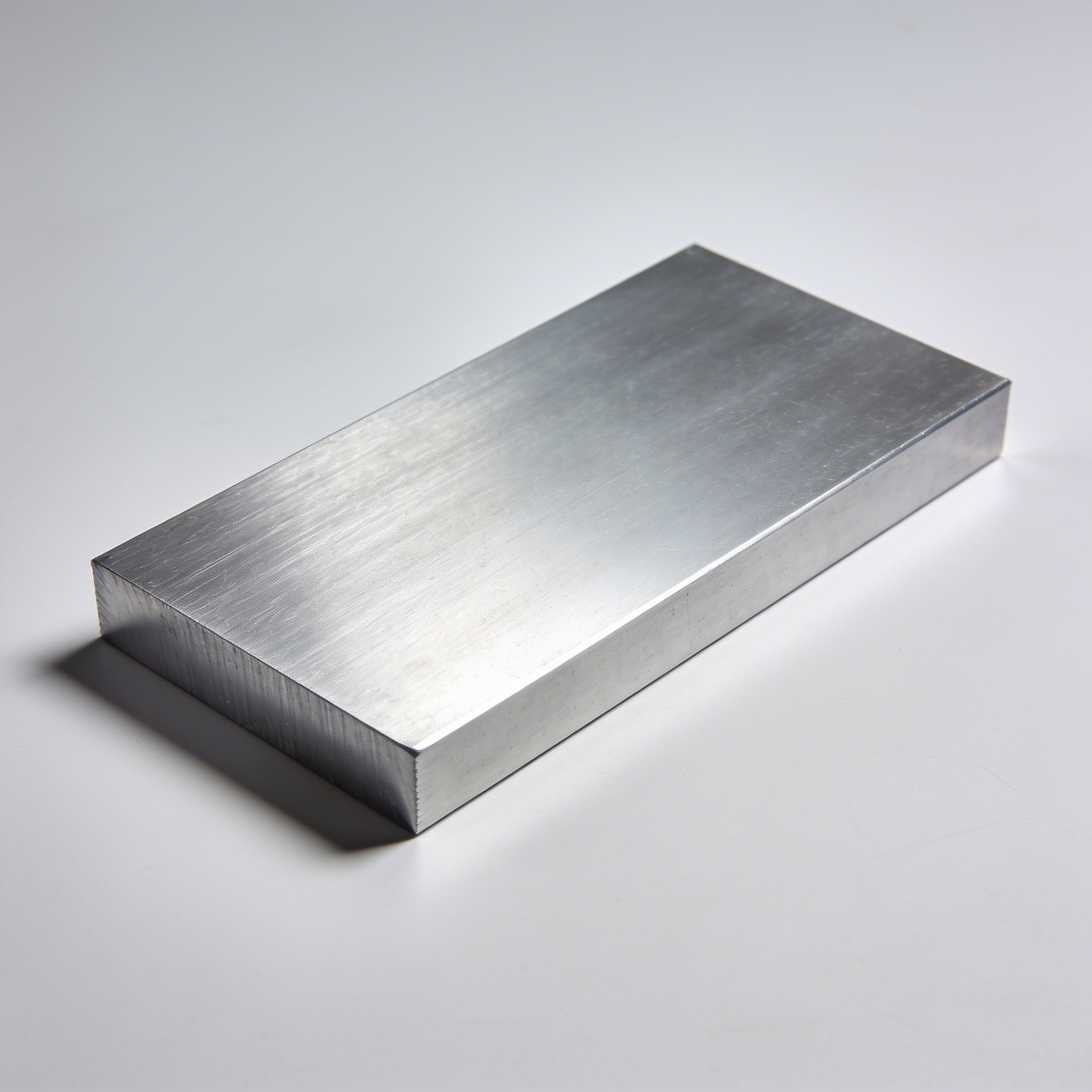
aluminum slab
الأسئلة الشائعة
1. What are the main methods of degassing in foundry?
The main methods of degassing in foundry are flux refining and inert gas degassing. Inert gas methods, including argon or nitrogen purging and rotary impeller degassing, are widely used for removing dissolved hydrogen from molten aluminum.
2. Why is degassing important in aluminum casting?
Degassing removes dissolved hydrogen from molten aluminum, reducing gas porosity, internal defects, and casting failures. It helps improve mechanical properties and casting quality.
3. How does inert gas degassing remove hydrogen from molten aluminum?
Inert gas degassing introduces argon or nitrogen bubbles into molten aluminum. Hydrogen diffuses into these bubbles because of the difference in hydrogen partial pressure, then escapes from the melt as the bubbles rise.
4. What gases are used for aluminum melt degassing?
The most commonly used gases for aluminum melt degassing are argon (Ar) and nitrogen (N₂). Argon is preferred for high-quality alloys, while nitrogen is often used for general aluminum casting applications.
5. What is rotary impeller degassing?
Rotary impeller degassing uses a rotating graphite rotor to disperse inert gas into fine bubbles throughout molten aluminum. The smaller bubbles provide greater contact area, improving hydrogen removal efficiency.
6. Can degassing remove oxide inclusions from molten aluminum?
Yes, inert gas bubbles can help remove some oxide inclusions through flotation. However, degassing mainly removes dissolved hydrogen, while ceramic filtration is required for efficient removal of solid inclusions.
7. What factors affect aluminum degassing efficiency?
The main factors affecting degassing efficiency include bubble size, gas flow rate, rotor speed, treatment time, melt temperature, and alloy composition.
8. Is argon better than nitrogen for aluminum degassing?
Argon provides excellent inert protection and is commonly used for critical aluminum alloys. Nitrogen is more economical and suitable for many general casting applications. The best choice depends on alloy requirements and quality standards.
9. How long does molten aluminum degassing take?
The degassing time depends on melt volume, hydrogen level, equipment design, and gas flow parameters. Rotary impeller systems typically achieve effective treatment within several minutes under optimized conditions.
10. Should aluminum degassing be combined with filtration?
Yes. Degassing removes dissolved hydrogen, while filtration removes solid inclusions. Combining an aluminum degassing system with ceramic filtration provides better melt cleanliness and casting performance.
مقالات ذات صلة:
 إزالة الغازات من الألومنيوم بالطريقة الدوارة
 تقنية إزالة الغازات
 إزالة الغازات باستخدام النيتروجين
 وحدة إزالة الغازات الدوارة
 أنظمة إزالة الغازات من المعادن
 عملية تكرير الألومنيوم المنصهر
 عملية إزالة الغازات من الألومنيوم
 معدات إزالة الغازات الدوارة
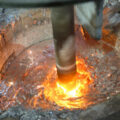 إزالة الغازات من المعادن
 إزالة الغازات من الألومنيوم باستخدام النيتروجين
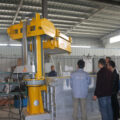 جهاز إزالة الغازات الدوار
 نظام إزالة الغازات من الألومنيوم
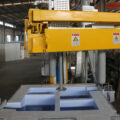 آلة إزالة الغازات من الألومنيوم
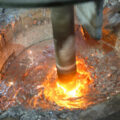 إزالة الغازات بالدوران
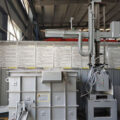 معدات إزالة الغازات من الألومنيوم المنصهر