ما هو مرشح الخرطوشة ولماذا يُستخدم في ترشيح الألومنيوم؟
مرشح الكارتريدج هو عنصر ترشيح خزفي أسطواني أو متعدد الأنابيب يُستخدم لإزالة الهيدروجين المذاب والشوائب غير المعدنية والشوائب الدقيقة من سبائك الألومنيوم المنصهرة. وعلى عكس المرشحات الخزفية الرغوية المسطحة التي تُثبَّت في نظام البوابات وتقوم بترشيح المعدن أثناء الصب، فإن مرشح الخرطوشة يُدمج عادةً في وحدة الترشيح عبر الإنترنت أو نظام الترشيح المدمج التي تعالج المادة المنصهرة بشكل مستمر أثناء انتقالها من فرن الاحتفاظ إلى محطة الصب.
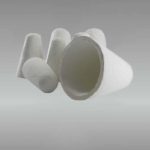
يختلف مبدأ التشغيل عن الترشيح بالرغوة. في نظام الترشيح بالخرطوشة، يمر الألومنيوم المنصهر عبر عناصر الترشيح الخزفية أو من حولها، وهي مصنوعة من مواد خزفية عالية المسامية — عادةً ما تكون قائمة على الألومينا أو كربيد السيليكون أو مزيج منهما — والتي توفر ترشيحًا دقيقًا للغاية لكل من الجسيمات الصلبة، كما تساعد، في بعض التكوينات، في إزالة الغازات من خلال تفاعل محكوم بين الدوار والغاز.
يُعد الترشيح بالخرطوشة شائعًا بشكل خاص في:
- الصب المستمر لقضبان وأسلاك الألومنيوم (خاصةً تلك المستخدمة في صناعة الموصلات الكهربائية)
- صب القضبان والصفائح حيث تكون مواصفات نظافة المعادن صارمة
- صب العجلات ومكونات السيارات التي تتطلب أداءً ميكانيكيًا عاليًا
- درفلة صفائح الألمنيوم وجسم العلب, ، حيث لا يُقبل وجود عيوب سطحية ناتجة عن الشوائب
والسبب وراء تقدير مرشحات الكارتريدج في هذه التطبيقات لا يقتصر على كفاءة الترشيح فحسب، بل يكمن أيضًا في قدرتها على ترشيح كميات كبيرة من المعدن بشكل مستمر ومتسق، دون الحاجة إلى إيقاف خط الصب لتغيير عناصر الترشيح بالوتيرة التي تتطلبها المرشحات الرغوية المسطحة.
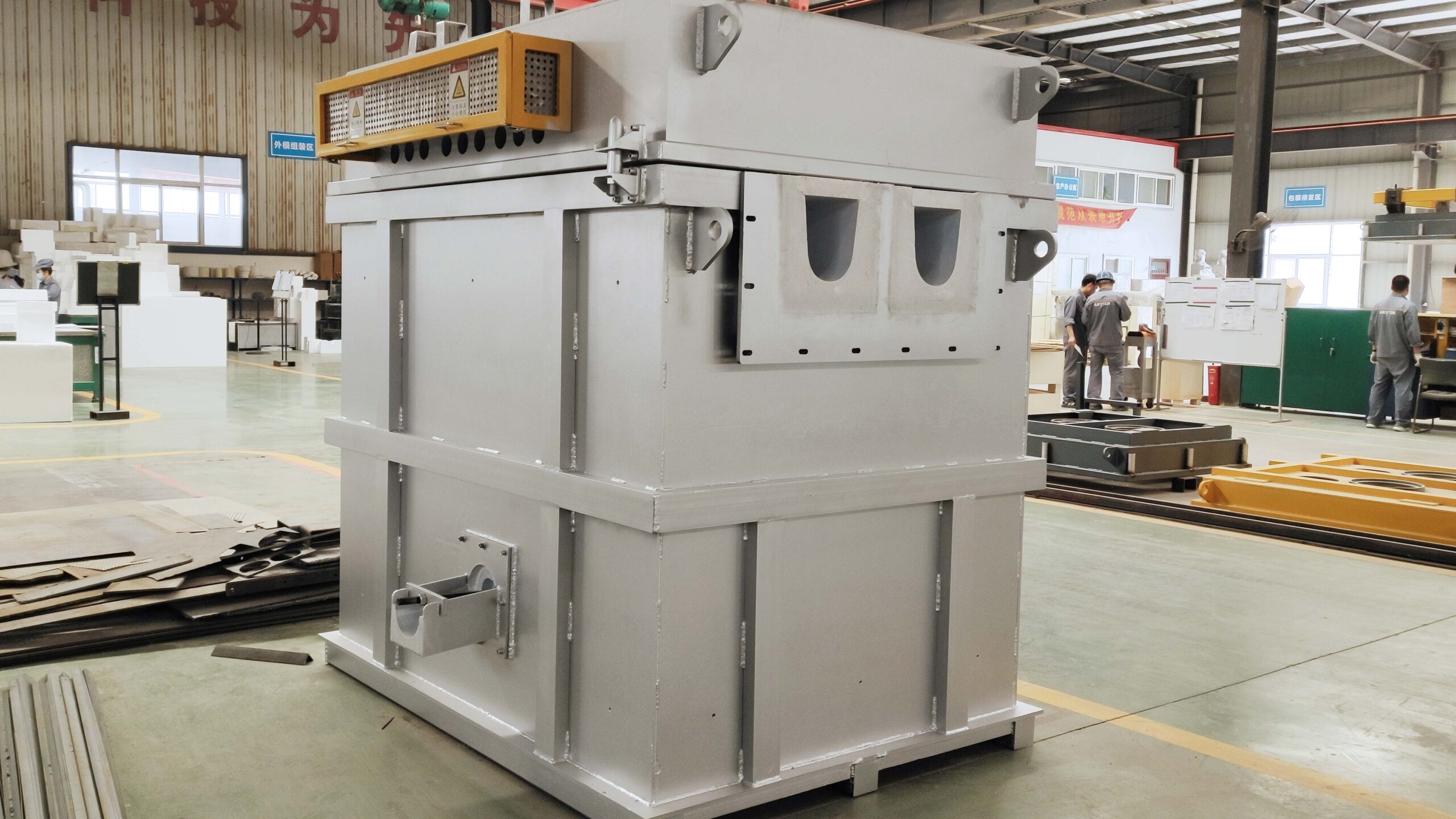
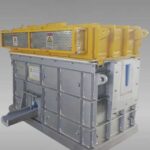
مرشح الكارتريدج
كيف يعمل مبدأ الترشيح باستخدام الخراطيش فعليًّا؟
إن فهم آلية الترشيح يساعد في تفسير سبب أهمية التحضير إلى هذا الحد.
الألمنيوم المنصهر الذي يدخل إلى معدات الترشيح بالخرطوشة يحتوي على شوائب غير معدنية متنوعة — أكاسيد، وإسبنيل، وحطام مواد مقاومة للحرارة، وبقايا مواد تذويب، وملوثات أخرى تتراوح أحجامها بين عدة مئات من الميكرونات وصولاً إلى أحجام في حدود رقم واحد من الميكرونات. ويقوم مرشح الخرطوشة بإزالة هذه الشوائب من خلال عملية الترشيح ذات المرحلتين:
الترشيح السطحي — يتم اعتراض الجسيمات الكبيرة ومجموعات الشوائب الخشنة بواسطة الطبقة السطحية الخارجية لأنبوب الترشيح. ومع تدفق المعدن نحو جدار الأنبوب، تُحتجز الجسيمات التي يزيد حجمها عن فتحات المسام السطحية احتجازًا فيزيائيًّا على السطح الخارجي. وبمرور الوقت، تتراكم طبقة ترشيحية من الشوائب المحتجزة على هذا السطح، مما يعزز فعليًّا كفاءة الترشيح السطحي — على الرغم من أنه يؤدي أيضًا إلى زيادة مقاومة التدفق تدريجيًّا.
الترشيح العميق والامتصاص — الجسيمات الأصغر حجمًا التي تمر عبر الطبقة السطحية تدخل إلى الوسط المسامي داخل جدار أنبوب المرشح. وأثناء انتقال هذه الجسيمات الدقيقة عبر شبكة المسام الداخلية المتعرجة، تتلامس مع الأسطح الخزفية الداخلية ويتم امتصاصها من خلال مزيج من قوى فان دير فال، وتأثيرات التوتر السطحي، والحبس الميكانيكي عند تقاطعات المسام.
من خلال هذا تأثير الترشيح المزدوج لأنبوب الترشيح, ، يحقق مرشح الخرطوشة كفاءة ترشيح أعلى بكثير مقارنة بطرق الترشيح أحادية الطبقة أو التي تعتمد على السطح فقط. والنتيجة هي معدن منصهر عالي الجودة يفي بمتطلبات النظافة اللازمة لتطبيقات الإنتاج الصعبة — مثل قضبان الموصلات، وقضبان الفضاء، وعجلات السيارات، والصب بالقالب الدقيق.
وهذه الآلية المزدوجة هي أيضًا السبب في أن التحضير الصحيح لفلتر الخرطوشة أمر بالغ الأهمية. فإذا تعرضت الوسائط الخزفية للتلف — سواء بسبب تشققات الصدمة الحرارية، أو التلوث بالرطوبة، أو سوء الإحكام — فإن طبقة الترشيح الداخلية تُتجاوز أو تتلف، ويفقد النظام بالضبط القدرة على احتجاز الجسيمات الدقيقة التي تبرر استخدام فلتر الخرطوشة في المقام الأول.
ما هي أكثر أنواع المرشحات الكرتونية شيوعًا المستخدمة في صناعة الألومنيوم؟
قبل الخوض في تفاصيل التحضير والاستخدام، من المفيد فهم المشهد العام للمنتج، لأن مصطلح “مرشح الخرطوشة” يشمل عدة تكوينات مختلفة تُستخدم بطرق متنوعة في الممارسة العملية.
| نوع المرشح | الهيكل | وضع التشغيل | هدف الترشيح | تطبيق نموذجي |
|---|---|---|---|---|
| خرطوشة خزفية أحادية الأنبوب | أسطوانة خزفية مجوفة مفردة | التدفق من الخارج إلى الداخل أو من الداخل إلى الخارج | الشوائب التي يبلغ حجمها 10 ميكرومتر أو أكثر | الترشيح المباشر على نطاق صغير، الصب المختبري |
| مرشح خرطوشة متعدد الأنابيب | أنابيب خزفية متعددة متوازية داخل غلاف | التدفق من الخارج إلى الداخل عبر جدران الأنبوب | الشوائب التي يبلغ حجمها 5–15 ميكرومتر أو أكثر | الصب المستمر للقضبان والأسلاك |
| مرشح الشمعة | أنبوب خزفي عمودي، مغلق من أحد طرفيه | الترشيح من الخارج إلى الداخل، بمساعدة الجاذبية | شوائب دقيقة، وبعض الغازات | الألومنيوم عالي النقاء، السبائك المتخصصة |
| خرطوشة وسائط صلبة | كتلة حبيبات خزفية ملتصقة | الترشيح العميق | الشوائب التي يبلغ حجمها 10–30 ميكرومتر أو أكثر | خطوط إنتاج القضبان والكتل ذات الإنتاجية العالية |
| وحدة مدمجة لإزالة الغازات والترشيح | إزالة الغازات من الدوار باستخدام خرطوشة في المرحلة التالية | إزالة الغازات + الترشيح العميق | شوائب H₂ | أنظمة المعالجة المدمجة المضمنة في خط الإنتاج |
التصنيف يستند إلى تكوينات فلاتر الكارتريدج القياسية في الصناعة والمستخدمة في إنتاج الألومنيوم الأولي والثانوي. وقد تختلف المصطلحات بين مختلف الشركات المصنعة للمعدات.
تواجه معظم المسابك ومصانع الصب في صناعة الألومنيوم المشكلة التالية: مرشح خرطوشة متعدد الأنابيب في أغلب الأحيان. إنها التكوين الأساسي لتطبيقات الصب المستمر، وهي الصيغة التي يتم التطرق إليها غالبًا عندما يسأل الناس عن تحضير مرشح الخرطوشة قبل الاستخدام.
ما هي المكونات الرئيسية لنظام الترشيح بالخرطوشة؟
لا يقتصر نظام الترشيح بالخرطوشة على عنصر الترشيح فحسب. ففهم التكوين الكامل للمعدات يساعد في توضيح سبب ضرورة فحص المجموعة بأكملها أثناء التحضير، وليس الأنابيب فقط.
تتضمن وحدة الترشيح بالخرطوشة النموذجية المكونات الرئيسية التالية:
- صندوق كهربائي متوسط الحجم — يحتوي على وحدة التحكم الكهربائية ومصدر الطاقة الخاصين بعناصر التسخين ونظام تنظيم درجة الحرارة
- مكون التدفئة — عناصر تسخين مقاومية مركبة في هيكل صندوق المرشح، تعمل على الحفاظ على درجة حرارة التشغيل أثناء وضع الاستعداد وأثناء الإنتاج
- غلاف الصندوق — الغطاء العلوي لعلبة المرشح، الذي يعمل على إحكام إغلاق النظام ويتضمن منافذ للوصول إلى المزدوجات الحرارية وفتحات تهوية
- هيكل الصندوق — الغلاف الرئيسي المبطّن بمواد مقاومة للحرارة والذي يحتوي على عناصر الترشيح والألومنيوم المنصهر أثناء التشغيل
- مجموعة الأنابيب وجهاز الرفع — مجموعة أنبوب المرشح والتركيبات الميكانيكية المستخدمة لتركيب مجموعة الأنابيب وإزالتها ورفعها لأغراض الفحص والاستبدال
- كتلة إسفينية — مكونات قفل ميكانيكية تعمل على تثبيت مجموعة أنبوب المرشح في مكانها داخل الغلاف وتضمن إحكام الإغلاق المناسب مقابل البطانة المقاومة للحرارة
يجب أن يكون كل مكون من هذه المكونات في حالة تشغيل سليمة قبل وصول النظام إلى درجة حرارة التشغيل. فقد يؤدي وجود سخان معطل، أو مانع تسرب تالف، أو كتلة إسفينية غير مثبتة بشكل صحيح، إلى تعطل المرشح أو حدوث تجاوز معدني؛ ولهذا السبب تشمل إجراءات التحضير قبل التشغيل النظام بأكمله، وليس العناصر الخزفية فحسب
ما هي الاستعدادات اللازمة قبل استخدام مرشح الكارتريدج؟
هذا هو الجزء الذي يحتاجه معظم المشترين، لكن معظم الموردين يتجاهلونه. إن الإعداد الصحيح هو ما يميز مرشح الخرطوشة الذي يعمل بكفاءة طوال عمره التشغيلي الكامل عن المرشح الذي يتعطل منذ أول استخدام.
الخطوة 1: قم بتركيب المخروط القابل للفك وتثبيت نظام الإحكام
قبل بدء التسخين، قم بتركيب مخروط التفريغ على الموصل المخروطي وقم بتثبيته بإحكام. ضع المجموعة داخل البطانة المصنوعة من مادة مقاومة للحرارة في جسم الصندوق، ثم أنزل ذراع القفل إلى موضعه. قم بربط مسامير القفل المرفقة لضغط المخروط المصنوع من الألياف الخزفية حتى إحكام مانع لتسرب المعدن السائل يتم تحقيقه.
هذه الخطوة غير قابلة للتفاوض. فإذا لم يكن الختم المخروطي محكم الإغلاق، فسوف يتسرب الألومنيوم المنصهر أثناء التشغيل، مما يشكل خطرًا على السلامة ويلوث المنطقة الواقعة أسفل صندوق المرشح. الهواء المضغوط مخروط من الألياف الخزفية يجب فحصها قبل كل حملة — وإذا ظهرت عليها أي علامات تآكل أو تشقق أو تشوه ناتجة عن الاستخدام السابق، فيجب استبدالها.
الخطوة 2: التحقق من جميع معلمات التشغيل
قبل الشروع في عملية الخبز، تحقق من صحة إعدادات المعلمات على واجهة التشغيل. ويشمل ذلك:
- قيم الضبط المحددة لدرجة الحرارة في أوضاع الخبز والتشغيل
- إعدادات طاقة عنصر التسخين
- تعيينات وقراءات المزدوجات الحرارية
- إعدادات الإنذار والقفل الآمن
قد يبدو الأمر روتينيًّا، لكن أخطاء المعلمات التي تحدث بعد الصيانة أو تحديثات نظام التحكم أكثر شيوعًا مما يود أي شخص الاعتراف به. فقد تؤدي نقطة الضبط الخاطئة إلى نقص في الخبز، أو تجاوزات في درجة الحرارة، أو عدم الوصول إلى ظروف التشغيل المناسبة.
لماذا يعتبر تجفيف المعدات أمرًا مهمًا جدًّا بالنسبة للمرشحات الكارتريدجية؟
يمكن القول إن عملية التحميص هي الخطوة الأكثر أهمية في عملية التحضير، وتجاهلها أو الاستعجال فيها هو السبب الأكثر شيوعًا لمشاكل بدء تشغيل مرشح الخرطوشة.
ما هو الغرض من الخبز؟
يؤدي الخبز وظيفتين أساسيتين:
- التخلص من الماء الممتص من طبقة العزل والمواد المسبوكة الثابتة للبطانة داخل صندوق المرشح. ستؤدي الرطوبة المحبوسة في المواد المقاومة للحرارة والعزل إلى توليد بخار وربما غاز الهيدروجين عند دخول المعدن المنصهر إلى الصندوق. ويجب التخلص من هذه الرطوبة تمامًا قبل بدء التشغيل.
- تقليل الإجهاد الحراري في مواد البطانة عن طريق رفع درجة حرارة المجموعة بأكملها إلى درجة حرارة التشغيل تدريجيًّا. فالتسخين السريع يؤدي إلى حدوث تدرجات حرارية قد تتسبب في تشقق المواد المقاومة للحرارة، وإتلاف العزل، وإجهاد عناصر المرشح الخزفية بما يتجاوز قدرتها على تحمل الصدمات الحرارية.
ما هي الطريقة الصحيحة للخبز؟
تتطلب عملية التحميص الخاصة بنظام الترشيح بالخرطوشة اهتمامًا دقيقًا بالتفاصيل. وفيما يلي العملية الكاملة، خطوة بخطوة:
أ. تجهيز الجزء الداخلي للصندوق
ضع كمية صغيرة من الكربون في قاع جسم الصندوق. يجب أن يكون ارتفاع طبقة الكربون لا تتجاوز 50 ملم. أغلق الغطاء العلوي لصندوق المرشح. استخدم القطن العازل لإحكام سد كل من مدخل ومخرج صندوق المرشح. ويؤدي ذلك إلى تهيئة بيئة شبه محكمة الإغلاق تسمح بتسرب الرطوبة بشكل متحكم فيه مع الحفاظ على التوحيد الحراري أثناء عملية الخبز.
ب. قم بفك صواميل التهوية قبل الخبز
قبل بدء دورة الخبز، قم بفك صواميل التهوية الموجودة حول هيكل الصندوق. تسمح فتحات التهوية هذه للرطوبة الموجودة في البطانة العازلة بالخروج على شكل بخار خلال المراحل الأولى من التسخين. إذا بقيت فتحات التهوية هذه مغلقة، فإن البخار المحبوس يولد ضغطًا داخل الطبقة العازلة، مما قد يتسبب في تلف البطانة أو حتى في حدوث تفتت انفجاري للمادة المقاومة للحرارة القابلة للصب.
ج. قم بإغلاق غطاء الصندوق وفتحه بشكل صحيح
قم بتغطية الفتحة العلوية للصندوق بـ بطانية ليفية بسمك 20 ملم وتأكد من إحكام إغلاق غطاء الصندوق. يجب عزل مدخل ومخرج الصندوق المصنوعين من الألومنيوم باستخدام مادة العزل الليفي،, ولكن يجب ترك فتحة لتصريف الرطوبة بحجم مناسب خلال مرحلة التسخين حتى درجة حرارة 400 درجة مئوية. وهذا يسمح للرطوبة المتبقية بالخروج خلال مرحلة التجفيف الحاسمة. بعد أن تتجاوز درجة الحرارة 400 درجة مئوية، قم بإغلاق فتحات تصريف الرطوبة بإحكام — في هذه المرحلة، من المفترض أن يكون الماء الحر والمرتبط كيميائيًا قد تم إزالته، وهناك حاجة إلى بيئة محكمة الإغلاق للحفاظ على تناسق درجة الحرارة طوال الفترة المتبقية من دورة الخبز.
د. تركيب أزواج حرارية لمراقبة درجة الحرارة
أدخل مزدوجًا حراريًّا في فتحة قياس درجة الحرارة الموجودة في غطاء الصندوق، ثم مدّه لأسفل حتى الجزء الأوسط والسفلي من التجويف للتحكم بدقة في درجة حرارة غاز الفرن. وللحصول على أفضل النتائج، ضع مزجًا حراريًا إضافيًا في فتحة التصريف وقم بتوصيله بمقياس حرارة رقمي. يتيح لك هذا الترتيب مراقبة الفرق في درجة الحرارة بين المنطقتين العلوية والسفلية في تجويف الفرن. ويشير الفارق الكبير في درجات الحرارة إلى تسخين غير متساوٍ، مما يزيد من خطر حدوث تلف في البطانة وعناصر المرشح نتيجة الإجهاد الحراري.
هـ. فهم العلاقة بين درجات الحرارة
تبلغ درجة الحرارة العادية لعملية معالجة الألومنيوم المنصهر داخل الصندوق حوالي 750 درجة مئوية. يبلغ فرق درجة الحرارة في توصيل غاز الفرن حوالي 50 درجة مئوية فوق درجة حرارة المعدن, ، وهو ما يعني أن تبلغ درجة الحرارة القصوى التي يمكن التحكم فيها لغاز الفرن أثناء عملية الخبز 800 درجة مئوية. Do not exceed this temperature — higher temperatures risk damaging the lining materials and the ceramic filter elements.
f. Use program control if available
If the temperature control meter is equipped with a program control function, set the baking curve according to the manufacturer’s recommended profile and allow it to run automatically. Manual override should remain available in case of anomalies. If the temperature control meter does not have program control, use time-stepped manual control to follow the baking curve. In manual mode, ensure that the maximum current does not exceed the rated current of the heating elements at any power regulator setting.
The following table provides a recommended baking curve for cartridge filter equipment:
| المرحلة | Temperature Range (°C) | Ramp Rate | Hold Time | Key Action |
|---|---|---|---|---|
| Phase 1 — Initial drying | Ambient → 200 | ≤50°C/hr | 2–3 hours at 200°C | Vent nuts open; moisture discharge holes open |
| Phase 2 — Dehydration | 200 → 400 | ≤50°C/hr | 3–4 hours at 400°C | Chemically bound water release; plug moisture holes after 400°C |
| Phase 3 — Intermediate heating | 400 → 600 | ≤80°C/hr | 2–3 hours at 600°C | Monitor upper/lower temperature differential |
| Phase 4 — Final baking | 600 → 800 | ≤100°C/hr | 4–6 hours at 800°C | Full thermal stabilisation; lining stress relief |
Baking profile based on standard refractory dry-out procedures for aluminum filtration equipment. Actual curve may be adjusted by equipment manufacturer based on lining composition and box dimensions.
g. After baking is complete
Once the hold at 800°C is finished, the system can proceed directly to aluminum production. If the system will not be put into production immediately, the temperature must be lowered to 100°C before opening the lid for inspection. Opening the lid at higher temperatures exposes the hot lining to ambient air, creating rapid thermal gradients that risk cracking the refractory lining. Alternatively, if inspection is not needed, do not open the lid until the system reaches room temperature.
Critical rule: never open the lid partway through the baking cycle or during cooling above 100°C. Partial lid opening introduces cold air that creates localised thermal shock on the lining surface, which can cause spalling and cracking that is expensive to repair and may not be visible until the system is in operation.
ما الذي يجب عليك التحقق منه أيضًا قبل تشغيل نظام الترشيح بالخرطوشة؟
Beyond baking, several other preparation steps determine whether the system will perform correctly.
هل غطاء المرشح محكم الإغلاق؟
Check all gasket and seal surfaces before installation. Sealing between the filter element and the housing is critical — any gap allows unfiltered metal to bypass the filter entirely. Ceramic fibre gaskets or compression-fit refractory seals should be inspected for damage, replaced if worn, and confirmed to be the correct specification for the filter element diameter and housing geometry.
هل اتجاه التدفق صحيح؟
Cartridge filters are directional. Outside-in flow configurations are more common, but inside-out configurations exist for specific applications. Installing the filter in the wrong orientation reduces filtration efficiency and can cause premature clogging. Check the manufacturer’s marking or documentation before installation.
هل تم فحص المرشح للتأكد من عدم تعرضه لأي أضرار أثناء الشحن؟
Ceramic cartridge filter elements are fragile before installation. Transit damage — micro-cracks, chipped ends, cracked walls — may not be visible to the naked eye but will cause failure under thermal and mechanical stress during operation. Before installation, inspect each element under good lighting for visible cracks, and tap the element lightly to check for the clear ring of an undamaged ceramic versus the dull thud of a cracked one.
هل حالة ذوبان الجليد في المنبع مناسبة؟
A cartridge filter works most effectively when the melt has already been degassed and roughly treated. Feeding heavily contaminated, high-hydrogen metal directly into a cartridge filter without upstream treatment shortens filter life dramatically and risks rapid clogging.
This is one of the reasons many continuous casting operations run an وحدة إزالة الغازات عبر الإنترنت upstream of the cartridge filter. The degassing unit reduces hydrogen content and floats some inclusions before the metal reaches the filter, which extends filter service life significantly and improves overall melt cleanliness at the casting point.
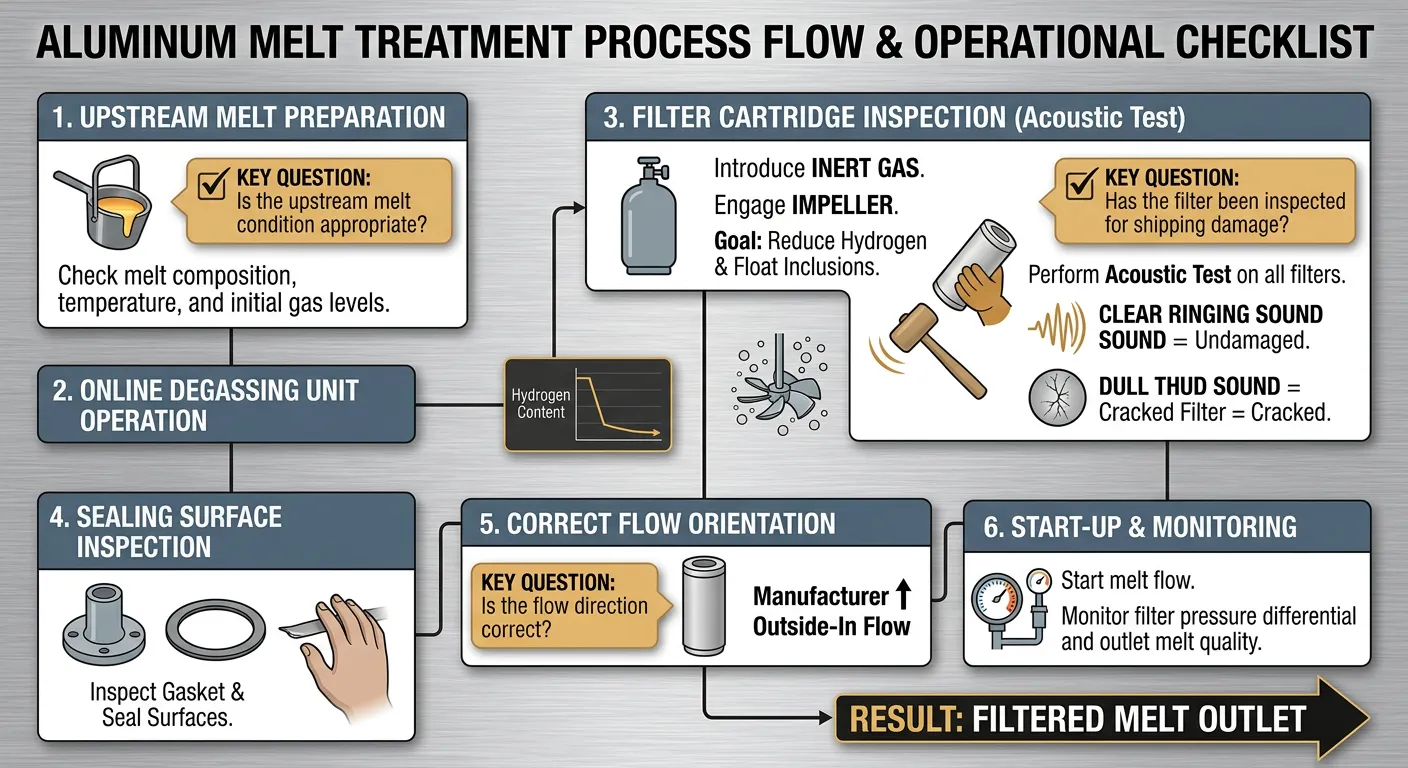
Things you should check before starting a cartridge filter system
كيف تختار مواصفات فلتر الكارتريدج المناسبة لعملية التصنيع الخاصة بك؟
Specification selection for a ceramic cartridge filter involves matching several variables to your specific casting operation.
| Selection Parameter | Options / Range | Selection Criteria | Impact of Wrong Selection |
|---|---|---|---|
| Filtration rating (μm) | 5–50 μm typical range | Target inclusion size, alloy grade | Too fine: clogging; too coarse: inclusions pass through |
| Flow rate capacity | Match to casting throughput (kg/min or t/hr) | Casting line speed, metal head | Undersized: flow restriction; oversized: poor residence time |
| Element diameter / length | Varies by manufacturer and housing | Existing housing dimensions or new system design | Poor fit: bypass leakage or installation failure |
| Ceramic material | Alumina, SiC, mixed oxide | Alloy compatibility, operating temperature | Wrong material: chemical attack, contamination |
| Number of elements | Single to multi-tube arrays | Required flow capacity and filtration area | Too few: short service life; too many: unnecessary cost |
| Operating pressure | Typically 0.05–0.3 bar | System design, metal head available | Exceeded limits: filter failure |
Selection guidance based on application engineering principles for ceramic cartridge filtration in aluminum alloy processing. Consult manufacturer specifications for exact sizing.
ما هو معدل التدفق الذي يجب أن يتحمله مرشح الكارتريدج في عملية صب قضبان الألومنيوم؟
For a standard 8 mm aluminum rod continuous casting line producing around 3–5 tonnes per hour, a properly sized multi-tube cartridge filter system should process the full melt flow without significant pressure drop during normal operation. The filter should be sized with some margin — typically 20–30% above the nominal casting throughput — to account for the gradual increase in flow resistance as the filter loads with inclusions over its service life.
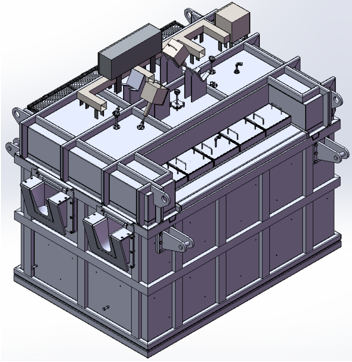
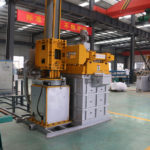
2803 Cartridge Filter Equipment
كيف تعرف متى يحتاج مرشح الكارتريدج إلى الاستبدال؟
The main indicators that a cartridge filter is approaching end of service life are:
- Rising pressure differential across the filter at constant flow rate — the most reliable indicator
- Declining melt cleanliness at the casting point — increased inclusion counts, more casting defects
- Visible metal level rise upstream of the filter housing at constant casting speed
- Colour change or surface deposits on the filter element exterior during maintenance inspections
- Scheduled replacement based on tonnage processed — many operations set a maximum tonnage per filter set based on experience
Without upstream treatment, a filter on a recycled alloy line might need replacement after 5–10 tonnes. With proper upstream treatment on primary alloy, service life of 50–100 tonnes per element set is achievable.
ماذا يحدث إذا تم تخطي عملية تحضير فلتر الخرطوشة أو تم إجراؤها بطريقة خاطئة؟
Real consequences, not theoretical ones.
Thermal shock cracking — The most common failure mode from inadequate baking. A ceramic element that cracks during first metal contact releases ceramic fragments into the melt. Those fragments become inclusions themselves.
Hydrogen pickup from moisture — Moisture in an inadequately dried filter element and lining reacts with molten aluminum (2Al + 3H₂O → Al₂O₃ + 3H₂). The hydrogen dissolves into the melt, increasing porosity risk in castings.
Metal bypass from poor sealing — An improperly seated filter element or damaged tap-out cone allows metal to flow around the filter. The system continues running, but filtration efficiency drops to near zero.
Premature clogging from overloaded melt — If the filter is installed without upstream melt treatment and the alloy is heavily loaded with inclusions, the filter will clog quickly. The filter worked — it just filled up faster than expected because the incoming melt was too dirty.
Lining damage from improper lid handling — Opening the box cover during baking or above 100°C during cooling introduces catastrophic thermal gradients. The resulting lining cracks may not be visible externally but will cause metal penetration and insulation failure during subsequent production campaigns.
حالة عملية من AdTech: تحسين خط صب القضبان المستمر في تركيا
A mid-sized aluminum rod producer in Turkey was running a continuous casting and rolling line with a production capacity of approximately 4.5 tonnes per hour of 8 mm EC-grade aluminum rod. The operation supplied electrical conductor manufacturers and was subject to tight conductivity specifications — any significant inclusion content in the rod affects conductivity and causes wire breakage during downstream drawing operations.
الوضع قبل ذلك
The plant was using a basic single-stage foam filter arrangement in the launder feeding the casting wheel. The setup was originally designed for a lower production rate and had not been updated as capacity expanded. The plant was experiencing:
- Wire breakage rates at the drawing stage approximately twice the industry benchmark for EC-grade rod
- Periodic casting interruptions due to filter bypass caused by poorly fitting foam filter prints
- No upstream degassing — the melt went from the holding furnace directly to the launder and casting wheel
- Inconsistent conductivity test results, with some coils falling marginally below the minimum IACS specification
The engineering team had already tried switching foam filter suppliers twice without significant improvement, which is how they came to evaluate a different filtration approach entirely.
ما تم توفيره وتنفيذه
After reviewing the line layout, alloy specification, and throughput requirements, the technical team recommended a combination approach:
- One in-line degassing unit positioned between the holding furnace outlet and the launder
- A multi-tube ceramic cartridge filter system sized for 5.5 tonnes per hour installed downstream of the degassing unit
- Replacement of the existing launder lining with higher-quality ceramic fiber launder components to reduce heat loss and oxide generation during metal transfer
- A structured commissioning process including baking protocol training for the maintenance team — which turned out to be the step the plant had most consistently skipped with previous filter setups
The total equipment supplied included the degassing unit, the cartridge filter housing and initial element set, and launder lining materials for approximately 18 metres of casting launder.
النتائج بعد ثلاثة أشهر من التشغيل
- Wire breakage rate at the drawing stage dropped by approximately 65% within the first six weeks
- Conductivity test failures effectively ceased — all production coils met IACS specification consistently
- Filter service life per element set was substantially longer than the foam filters had been
- The plant’s largest customer — a Turkish electrical cable manufacturer — reduced its incoming inspection frequency based on the improved consistency
The plant subsequently ordered a second degassing unit for a parallel casting line. The maintenance team now handles preheat, baking, and element changeover procedures independently.
For further reference on how integrated melt treatment improves aluminum rod quality, the International Aluminium Institute publishes guidance on metal quality standards for conductor-grade aluminum.
كيف تندرج عملية الترشيح بالخرطوشات في نظام معالجة ذوبان الألومنيوم الحديث؟
The most effective aluminum melt treatment systems treat cartridge filtration as one stage in a sequence, not a standalone solution. A typical high-quality continuous casting line might include:
- Furnace treatment — Fluxing, stirring, and settling in the holding furnace
- إزالة الغازات أثناء الإنتاج — Rotary degassing to bring hydrogen below 0.12–0.15 ml/100g
- Cartridge filtration — Fine filtration of residual inclusions after degassing
- النقل الخاضع للرقابة — Properly lined launders to prevent re-oxidation and temperature loss
- Casting practice — Temperature control, casting speed, and cooling management
The cartridge filter sits in the middle of this sequence. Feed it with well-treated, degassed metal and it performs well. Feed it with untreated metal and it will clog quickly, regardless of how carefully you followed the baking procedure.
This is the most important thing to understand about cartridge filter preparation — preparation is not just about the filter element itself. It is about preparing the entire melt treatment system to give the filter the conditions it needs to do its job properly.
The World Aluminium organisation provides published data on aluminum production standards and melt quality benchmarks that are useful context when setting cleanliness targets for any filtration upgrade project.
For anyone evaluating a cartridge filter installation or troubleshooting an existing system, reviewing the complete range of aluminum casting and melt treatment products gives a useful picture of how individual components — degassing, filtration, launder systems, and مرشحات الرغوة الخزفية — fit together into a coherent treatment approach.
الأسئلة الشائعة
1. What is a cartridge filter used for in aluminum casting?
It removes non-metallic inclusions and fine impurities from molten aluminum through surface and depth filtration before casting.
2. Why is baking required before using a cartridge filter?
Baking removes trapped moisture from the lining and filter elements and reduces thermal stress that could crack refractories during operation.
3. What temperature should the cartridge filter be baked to?
The maximum furnace gas temperature during baking is 800°C, with a controlled ramp rate to avoid thermal shock.
4. Can I open the filter box lid during the baking process?
No. Opening the lid partway through baking or above 100°C during cooling can cause lining cracks from sudden thermal shock.
5. What happens if moisture is not fully removed before operation?
Residual moisture reacts with molten aluminum to generate hydrogen gas, which increases porosity in castings.
6. How long does a cartridge filter element last?
It depends on melt condition. With proper upstream degassing, service life of 50–100 tonnes per element set is achievable.
7. Should degassing be used together with cartridge filtration?
Yes. Degassing removes dissolved hydrogen while the cartridge filter captures solid inclusions — they solve different problems.
8. How do I know when the cartridge filter needs replacement?
Rising pressure differential across the filter at constant flow rate is the most reliable indicator of element loading.
9. What causes a cartridge filter to crack during use?
Usually inadequate baking, excessive heating rate, or moisture remaining in the ceramic element before molten metal contact.
10. What is the correct flow direction for a cartridge filter?
Most cartridge filters use outside-in flow. Check manufacturer markings before installation — wrong orientation reduces performance.