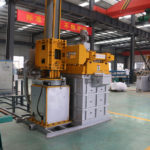
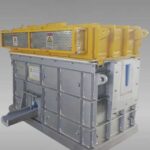
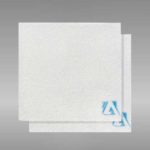
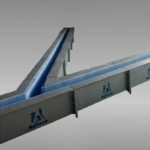
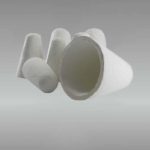
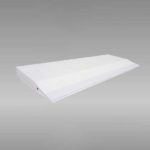
Refractory Ceramic Foam Filters are a key technology in the production of aluminum foil blanks. It is the prerequisite and guarantee for processing high-quality double zero aluminum foil. It has a profound impact on the quality and yield of ultra-thin double zero aluminum foil.
When the new metal foam filter is used for the first time, slightly larger inclusions in the molten aluminum may pass through the holes of the ceramic filter plate. These “large particle” inclusions inherit and affect the inherent quality of the blank. After the ceramic foam filter has been used for a period of time, some fine particles of impurities will be adsorbed in its pores.
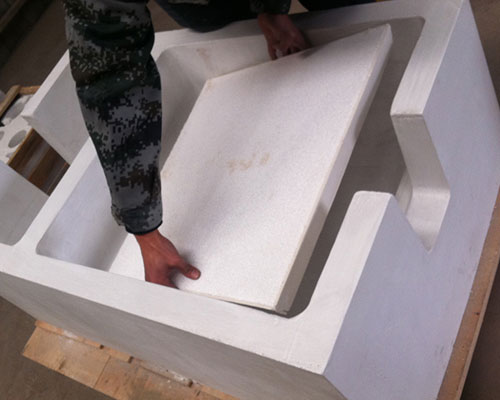
Since the filtering capacity of molten aluminum does not gradually increase, the adsorbed particles continue to accumulate in the pores of the filter plate, making the pores of the filter plate smaller, thereby improving the filtering effect.
Namun, ketika jumlah kotoran yang diserap oleh pelat saring sudah cukup banyak hingga menyumbat lubang-lubang pada pelat saring, efektivitas penyaringan mulai menurun, dan kualitas lempengan cor-gulung pun ikut menurun. Dapat dilihat dari lubang-lubang kecil pada hasil uji bahwa pelat filter sekunder mampu menghilangkan partikel-partikel halus dalam lelehan aluminium dan memiliki efek pemurnian yang lebih baik terhadap lelehan aluminium tersebut.
Refractory Ceramic Foam Filters can improve the quality of finished products (foil, block, ingot, rod, profile, etc.) to meet the requirements of high-purity cast metal. Reduce the scrap rate of finished products and improve product quality.
Filter cor keramik are usually standard size (inches) with a porosity of 10-60 PPI (pores per inch). The size of the filter depends on its porosity, which is selected according to the filter capacity, pouring time, and the layout of the Kotak filter CFF. The choice of filter porosity of ceramic castings depends on the specific alloy, casting temperature, metal contamination and the required output quality.
Before pouring, the filter must be fully preheated to ensure its normal operation. Electric heating for 1-2 hours, natural gas baking for 10-20 minutes. If the filter element is equipped with a permanent heating device, the filter element can be reused. If the filter contains metal, the metal must be replaced in the next casting. The wetting behavior of aluminum, filtering alumina, and SiC foam ceramic filters were studied.