Kebocoran billet aluminium selama proses pengecoran arus searah (DC) umumnya disebabkan oleh kegagalan penyegelan, komponen pengecoran yang aus, aliran aluminium cair yang tidak stabil, tekanan kepala logam yang berlebihan, atau penanganan logam cair yang tidak memadai. Meskipun kebocoran sering muncul di dekat rakitan hot-top atau area ujung cor, penyebab utamanya sering kali berasal dari hulu, yaitu pada sistem transfer dan penanganan logam cair. Pencegahan kebocoran yang efektif memerlukan kondisi aliran yang stabil, aluminium cair yang bersih, permukaan penyegelan yang andal, parameter pengecoran yang terkendali, serta komponen tahan api yang terawat dengan baik.
Bagi produsen billet ekstrusi aluminium, kebocoran bukan sekadar masalah pemeliharaan. Hal ini secara langsung memengaruhi produktivitas, kualitas pengecoran, masa pakai peralatan, dan keselamatan operasional. Bahkan kebocoran yang relatif kecil pun dapat memaksa penghentian produksi, meningkatkan kerugian logam, dan menimbulkan cacat pada tahap hilir yang merugikan. Memahami mengapa kebocoran terjadi—serta bagaimana berbagai variabel proses saling berinteraksi—sangat penting untuk mencapai kinerja pengecoran billet yang stabil.
Apa Itu Kebocoran Billet Aluminium?
Kebocoran billet aluminium mengacu pada keluarnya aluminium cair secara tidak disengaja dari sistem pengecoran sebelum lapisan pengkristalan yang stabil terbentuk sepenuhnya.
Selama proses pengecoran Direct Chill (DC), aluminium cair melewati beberapa tahap proses sebelum masuk ke dalam cetakan. Logam tersebut harus tetap berada dalam jalur yang dikendalikan dengan cermat sementara air pendingin menghilangkan panas dan membentuk cangkang billet. Jika integritas penyegelan terganggu atau kondisi proses menjadi tidak stabil, aluminium cair dapat menembus celah, mengikis bahan tahan api, dan keluar dari zona pengecoran.
Tingkat keparahan kebocoran dapat sangat bervariasi.
Jenis-jenis Kejadian Kebocoran
| Jenis Kebocoran | Deskripsi | Dampak yang Umum Terjadi |
|---|---|---|
| Rembesan Kecil | Kebocoran logam kecil yang bersifat lokal | Dampak yang terbatas terhadap produksi |
| Kebocoran Bertahap | Kebocoran meningkat secara bertahap seiring berjalannya waktu | Membutuhkan intervensi |
| Kebocoran Parah | Kebocoran logam besar di dekat area cetakan | Penghentian produksi |
| Breakout | Kegagalan total cangkang | Risiko besar terkait keselamatan dan peralatan |
Banyak operator menggunakan istilah “kebocoran” dan “keluarnya arus” secara bergantian, namun kedua kegagalan tersebut tidaklah sama.
Hubungi kami untuk mendapatkan dukungan teknis.
Kebocoran vs. Breakout: Apa Perbedaannya?
Sebuah insiden kebocoran dapat berkembang menjadi kebocoran besar jika penyebab dasarnya tidak ditangani.
Perbandingan Antara Kebocoran dan Breakout
| Faktor | Kebocoran | Breakout |
| Volume pelepasan logam | Terbatas | Sangat besar |
| Dampak terhadap produksi | Sedang | Parah |
| Integritas cangkang | Dipelihara sebagian | Benar-benar tersesat |
| Risiko keselamatan | Sedang | Sangat Tinggi |
| Kerusakan peralatan | Terbatas | Luas |
Kebocoran biasanya terjadi ketika cangkang billet menjadi terlalu tipis untuk menampung aluminium cair. Sebaliknya, kebocoran sering kali bermula dari masalah penyegelan atau pengendalian aliran.
Memahami perbedaannya membantu para operator mengenali tanda-tanda peringatan sebelum terjadi kegagalan yang parah.
Mengapa Terjadi Kebocoran pada Billet Aluminium?
Most leakage incidents are not caused by a single component failure.
Instead, leakage usually develops when multiple process variables begin interacting negatively.
The most common root causes include:
- Worn casting equipment
- Hot-top sealing deterioration
- Excessive casting speed
- Poor molten aluminum cleanliness
- Hydrogen-related process instability
- Improper metal level control
- Turbulent metal flow
- Erosi bahan tahan api
Each factor influences the others, which is why leakage prevention requires a system-wide approach.
Apakah Ujung Roda yang Aus Merupakan Penyebab Paling Umum?
In many billet plants, worn caster tips are among the first components investigated after leakage occurs.
The caster tip controls molten aluminum distribution into the mold while helping maintain stable metal flow conditions. Because it operates continuously under extreme thermal and mechanical stress, gradual wear is unavoidable.
As wear progresses, several problems may develop:
- Dimensional distortion
- Surface erosion
- Reduced sealing performance
- Uneven metal distribution
- Localized overheating
Even small dimensional changes can create leakage pathways around critical sealing zones.
Tanda-tanda Umum Keausan Ujung Roda Penggerak
| Warning Sign | Potential Risk |
| Uneven billet surface | Ketidakstabilan aliran |
| Localized aluminum buildup | Poor release characteristics |
| Increased oxide accumulation | Turbulensi permukaan |
| Visible erosion | Seal degradation |
| Frequent maintenance | Component end-of-life |
For this reason, many producers replace ceramic fiber caster tips on a preventive schedule rather than waiting for visible failure.
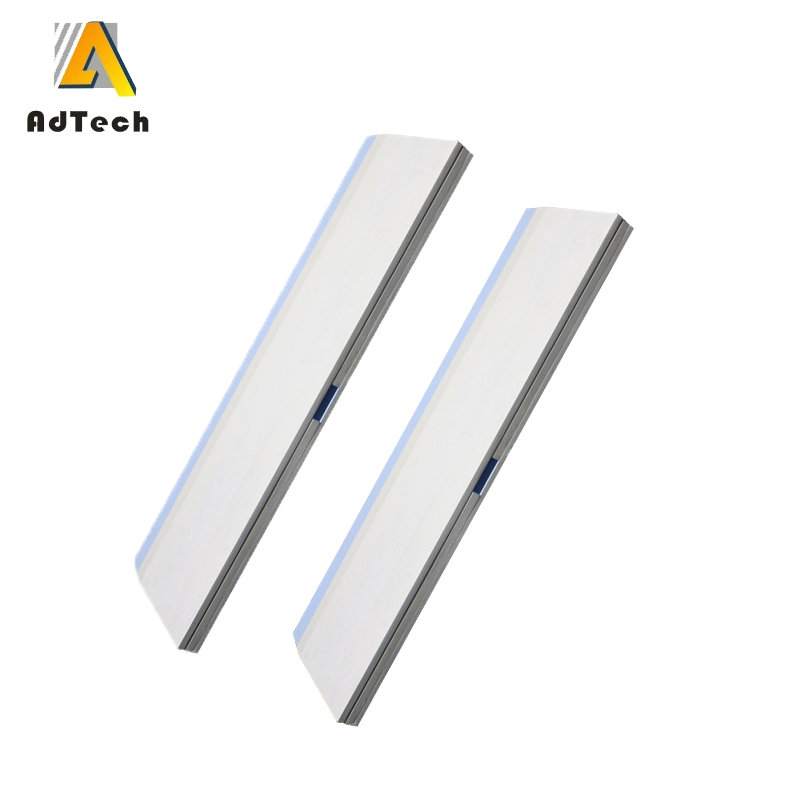
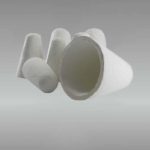
ujung roda
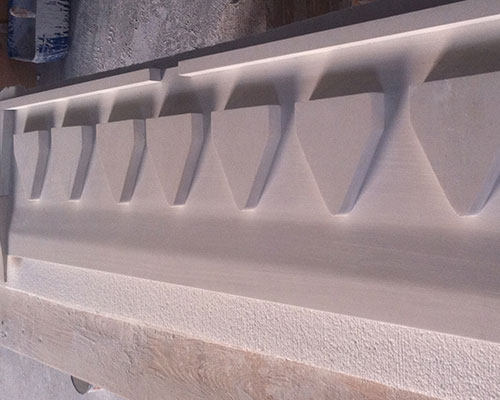
Tips untuk Mesin Pencetak Aluminium Cair
Apakah Komponen Bagian Atas yang Panas Dapat Menyebabkan Kebocoran?
Yes.
The hot-top system plays a crucial role in controlling solidification and maintaining stable feeding conditions during billet casting.
If hot-top components deteriorate, molten aluminum may begin escaping through weakened sealing areas.
Several mechanisms can contribute to failure:
Kerusakan Akibat Guncangan Termal
Repeated heating and cooling cycles place considerable stress on refractory materials.
Keausan Permukaan
Long-term exposure to molten aluminum gradually reduces dimensional accuracy.
Masalah Pemasangan
Even high-quality components can underperform if assembly tolerances are not maintained.
Kerusakan Mekanis
Handling, maintenance activities, or accidental impacts may compromise sealing surfaces.
Because hot-top performance directly influences billet quality and casting stability, many plants include hot-top inspection as part of routine preventive maintenance programs.
Bagaimana Tingkat Kebersihan Aluminium Cair Mempengaruhi Kebocoran?
This is one of the most underestimated causes of billet leakage.
Many leakage investigations focus exclusively on casting hardware while overlooking melt quality.
When molten aluminum contains excessive inclusions, flow conditions become less predictable.
Kontaminan yang umum antara lain:
- Lapisan oksida
- Partikel terak
- Pecahan bahan tahan api
- Spinel inclusions
- Furnace-generated debris
These contaminants may:
- Disturb flow patterns
- Create localized pressure changes
- Increase turbulence
- Accelerate refractory wear
Sumber Inklusi Non-Logam
| Jenis Inklusi | Typical Source |
| Oxide Films | Oksidasi permukaan |
| Slag Particles | Furnace operations |
| Refractory Debris | Lining wear |
| Spinel | Magnesium-containing alloys |
| Karbida | Process contamination |
For this reason, many modern casting lines install filter busa keramik untuk penyaringan aluminium cair before the casting station.
The filtration stage helps remove suspended inclusions that could otherwise affect metal flow behavior and casting stability.
For applications requiring stricter cleanliness standards, phosphorus-free ceramic foam filters are increasingly used to support high-purity aluminum production and sensitive alloy applications.
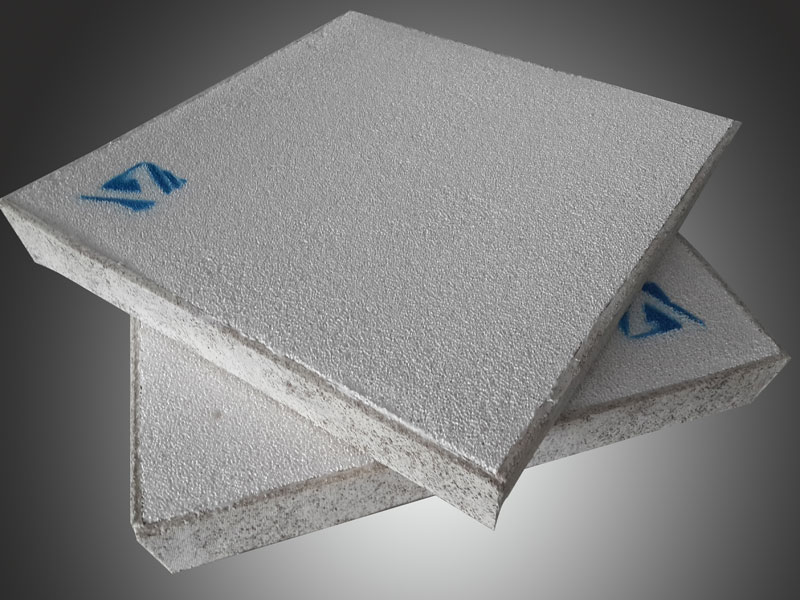
filter busa keramik
Apakah Proses Penghilangan Gas yang Buruk Dapat Meningkatkan Risiko Kebocoran?
Indirectly, yes.
Hydrogen is the only gas that dissolves significantly in molten aluminum.
As hydrogen content increases:
- Porosity becomes more likely
- Solidification becomes less predictable
- Internal billet quality deteriorates
- Process stability decreases
While hydrogen alone rarely causes leakage, elevated hydrogen levels often indicate inadequate melt treatment.
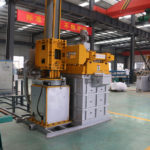
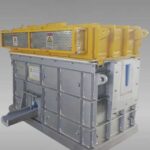
Most modern billet casters therefore incorporate peralatan degassing rotari daring before filtration and casting.
Degassing improves molten metal quality by reducing dissolved hydrogen and helping remove suspended inclusions through bubble flotation mechanisms.
Stable hydrogen control contributes to more predictable casting conditions and reduces process variability throughout the casting cycle.
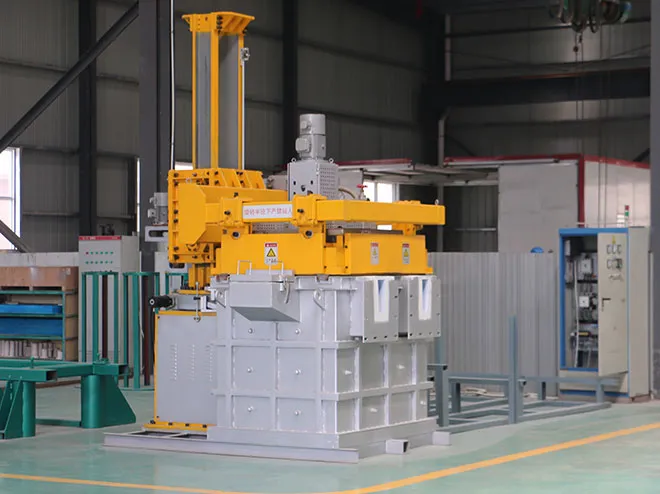
Sistem Penghilangan Gas Secara Online
Apakah Stabilitas Aliran Aluminium Cair Itu Penting?
Absolutely.
Many leakage problems originate upstream of the mold.
Even when casting components are in good condition, unstable flow can create pressure fluctuations capable of compromising sealing performance.
Common causes of turbulent flow include:
- Abrupt launder transitions
- Improper launder geometry
- Excessive metal velocity
- Unstable metal level control
- Distribusi aliran yang buruk
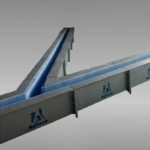
To reduce turbulence, many producers use carefully designed refractory launder systems that maintain smooth molten aluminum transfer between treatment stages and the casting station.
Flow stability is particularly important when molten aluminum passes through filtration and degassing equipment because these processes depend on predictable flow conditions for maximum efficiency.
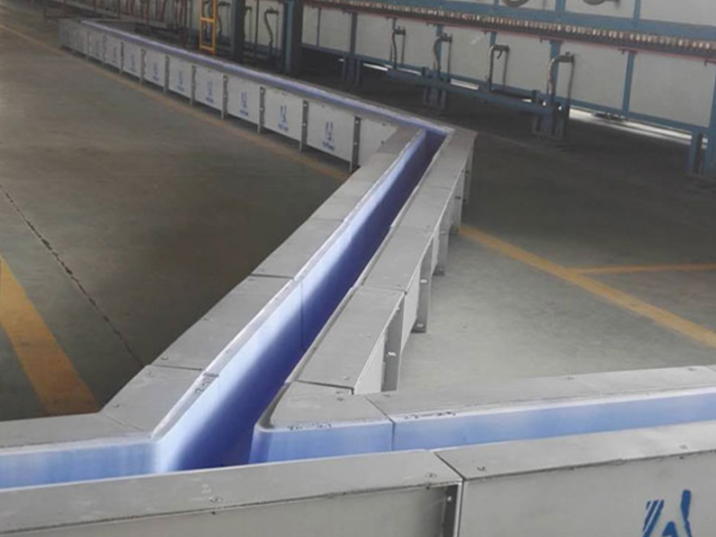
sistem saluran aluminium
Pertanyaan yang Sering Diajukan
1. What causes aluminum billet leakage during DC casting?
Aluminum billet leakage is usually caused by sealing failure, worn caster components, unstable molten aluminum flow, excessive metal head pressure, or poor melt quality. In most cases, it is the result of multiple factors rather than a single failure point.
2. What is the difference between leakage and breakout?
Leakage refers to a small or gradual escape of molten aluminum, while a breakout is a complete failure of the billet shell leading to massive metal release. Breakouts are more severe and often result in production shutdown and safety risks.
3. Is caster tip wear a common cause of leakage?
Yes. Worn caster tips can significantly affect metal flow stability and sealing performance. Even small dimensional changes may create leakage pathways, making caster tips one of the most frequently inspected components after leakage occurs.
4. Can hot-top components cause billet leakage?
Yes. Damaged or poorly installed hot-top components can weaken sealing integrity and lead to molten aluminum escape. Thermal shock, mechanical damage, and surface wear are common failure mechanisms.
5. How does molten aluminum cleanliness affect leakage risk?
Poor melt cleanliness increases inclusions such as oxides, slag, and refractory particles. These contaminants disrupt flow stability, increase turbulence, and accelerate component wear, indirectly raising leakage risk.
6. Does hydrogen in molten aluminum contribute to leakage?
Indirectly. High hydrogen levels reduce melt stability and can affect solidification behavior. While hydrogen does not directly cause leakage, it often indicates poor melt treatment conditions that increase overall casting risk.
7. Can unstable metal flow lead to leakage?
Yes. Turbulent or inconsistent molten aluminum flow can create pressure fluctuations and uneven distribution, which may damage sealing areas and increase leakage probability.
8. How does casting speed affect leakage?
Excessive casting speed increases metal head pressure and reduces control over solidification. This can overload sealing components and increase the likelihood of leakage or even breakout.
9. Can filtration systems help reduce leakage?
Yes. Ceramic foam filters improve molten aluminum cleanliness by removing inclusions before casting. Cleaner metal flow helps maintain stable casting conditions and reduces equipment wear.
10. What equipment is commonly used to prevent leakage in DC casting?
Typical prevention systems include ceramic foam filters, degassing units, refractory launder systems, and well-maintained caster tips and hot-top assemblies. Together, they ensure stable flow, clean metal, and reliable sealing.