Blog - Laman 45 dari 73 - Tap Out Cone,Refining Flux,Ceramic Foam Filter,Aluminum Cast Materials

Blog

28Okt 2020
Shrinkage Defects

Through exploration and experimentation, in the gravity casting of aluminum alloy wheels, coating thickness, alloy liquid pouring temperature and mold temperature have a great influence on surface shrinkage defects, and the influence of mold temperature is particularly prominent. In the case of too high or too low mold core temperature, shrinkage defects may occur on […]
27Okt 2020
Purification of Molten Aluminum

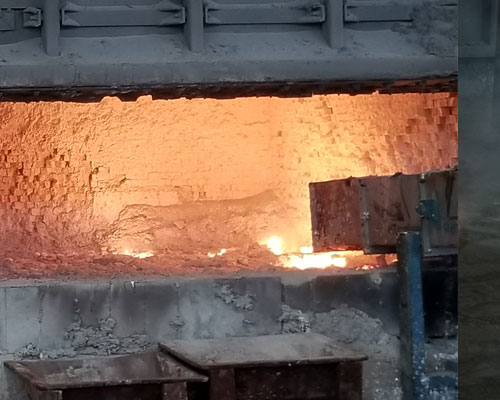
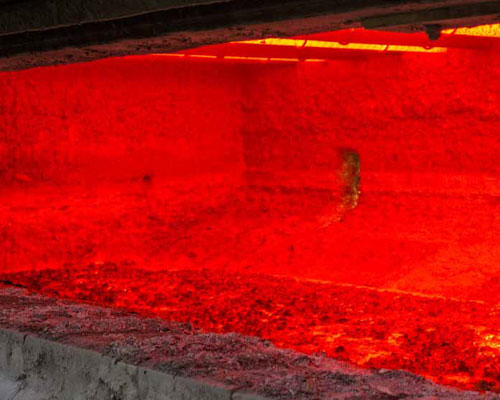
At present, the comprehensive treatment of the purification and grain refinement of molten aluminum is the basic problem for obtaining high-quality aluminum alloy. According to the different production links, the purification treatment of molten aluminum can be divided into treatment in the furnace and treatment outside the furnace. The aluminum alloy furnace treatment can be […]

27Okt 2020
Gas dan Inklusi dalam Aluminium Cair

Gas and inclusions in molten aluminum are the root cause of porosity, shrinkage cavities, and mechanical property loss in aluminum castings. Hydrogen accounts for 80–90% of dissolved gas, and even at 0.2 mL/100g Al, it can trigger pinholes in finished parts. Inclusions as small as 1–30 μm interact with hydrogen to lower the threshold for […]

24Okt 2020
Penghilangan Logam Alkali

The removal of alkali metals is also important in aluminum smelting and casting processes. The alkali metals and alkaline earth metals in the aluminum melt mainly come from the alkali metals and alkaline earth metal elements in the aluminum electrolysis process, such as Na, Li, Ca, etc., and also from the aluminum alloy flux. Aluminum […]

24Okt 2020
Aluminum alloy Slag Remover

Aluminum alloy slag remover mainly melts through three methods of adsorption, dissolution and compounding. The dissolution is mainly achieved by adding a chemical substance that can dissolve the inclusions in the slag, and dissolve it according to its similar physical and chemical properties, and then remove it with the flux. For example, Na3AlF6 can dissolve […]

24Okt 2020
Secondary Aluminum Production

How to make such a variety of complex raw materials into qualified secondary aluminum ingots is the core issue of secondary aluminum production. The first step in the secondary aluminum production process is the classification process of scrap aluminum and miscellaneous aluminum. The finer the classification and the more accurate the classification, the easier it […]

24Okt 2020
Mold Coating

For a specific casting, if the mold coating is selected correctly, the coating operation is stable and controllable. In theory, qualified castings can be obtained. However, in the actual casting process, application operation is usually considered the most variable link. Therefore, it is very important to carefully prepare the mold before coating, prepare for coating […]

24Okt 2020
Aluminum Melt Purification Treatment

The aluminum melt purification treatment technology is the first key process that determines the application of aluminum alloy materials. It determines whether aluminum alloy materials have the heritability of metallurgical defects and high performance, and dominates its application and development in various fields. The company’s aluminum alloy melt purification treatment mainly uses furnace flux refining […]

24Okt 2020
Aluminum Purification

With the continuous development of aluminum alloy materials in various fields of the national economy, higher and higher requirements are put forward for the internal quality of aluminum alloy materials. In the production process, it is necessary to strictly control the chemical composition of the aluminum alloy and the defects of the ingot shrinkage, pores, […]

24Okt 2020
Secondary Pollution of Molten Aluminum

The secondary pollution of molten aluminum mainly occurs in the insulated washing tank from the furnace to the casting machine. On-line degassing and filtering equipment is installed on the insulating launder to purify the aluminum melt. As the melt passes through the tank system, it absorbs hydrogen to varying degrees when it comes into contact […]