Blog - Sayfa 51 / 73 - Tap Out Cone,Refining Flux,Ceramic Foam Filter,Aluminum Cast Materials

Blog

15Eki 2020
Gaz Giderme Yöntemi

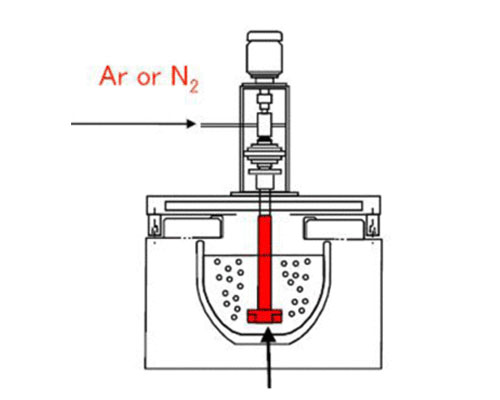
According to the way the gas is removed from the melt, people have found many methods, the main ones are the partial pressure method, chemical method, pre-solidification method, oscillation method, direct current electrolysis method, and so on. The partial pressure difference method is the most basic method. It has four types: gas degassing method, boiling […]
13Eki 2020
Azot Gazının Giderilmesi

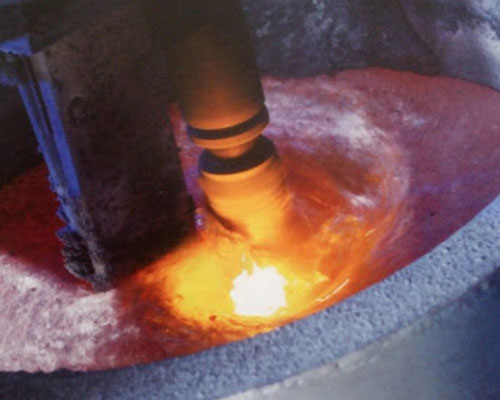
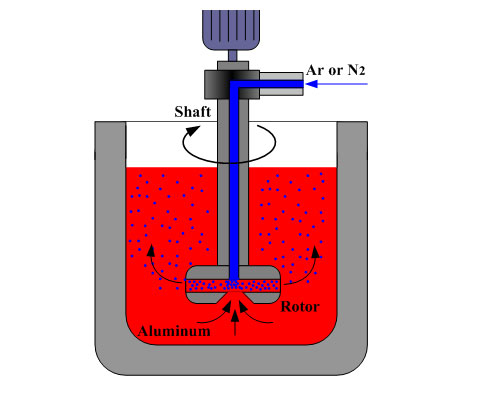
Nitrogen degassing is continuously blown into the melt, and the oxidized inclusions and hydrogen are brought out of the liquid surface during the floating of the bubbles. The nitrogen degassing can remove hydrogen, because there is no hydrogen in the inert gas blown into the melt, and its hydrogen partial pressure is zero, while the […]

13Eki 2020
Dökümde Gaz Giderme

Hydrogen in molten aluminum is one of the leading causes of porosity, pinholes, blistering, and casting defects in aluminum products. Proper aluminum degassing removes dissolved hydrogen before solidification, improving mechanical properties, surface quality, machinability, anodizing performance, and downstream processing reliability. Modern aluminum casthouses rely on rotary degassing systems, ceramic foam filtration, and controlled molten metal […]

12Eki 2020
Seramik Köpük Filtrenin Yerleştirilme Yöntemi

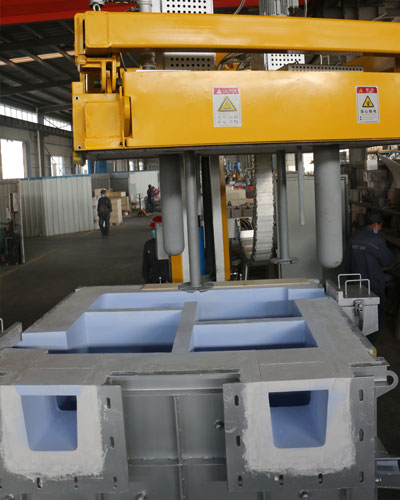
What Is the Ceramic Foam Filter Placement Method in Aluminum Casting? In aluminum continuous casting and rolling operations, melt cleanliness determines everything downstream — strip surface quality, mechanical properties, internal soundness, and final product yield. The ceramic foam filter is the component that does the heavy lifting in removing oxide inclusions, slag particles, and other […]

12Eki 2020
Alüminyum Arıtma Teknolojisi

At present, the comprehensive treatment of purification and grain refinement of liquid aluminum is the basic problem for obtaining high-quality aluminum alloy. According to the different production links, the purification treatment of molten aluminum can be divided into treatment in the furnace and treatment outside the furnace. The aluminum alloy furnace treatment can be divided […]

11Eki 2020
Tahıl Yapısını İyileştiren Alüminyum Alaşımı

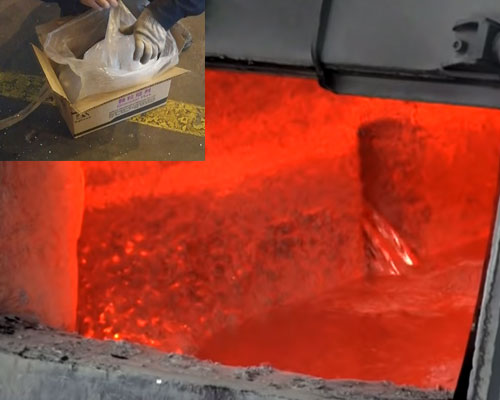
Grain refining aluminum alloy is a powdery particle, which is sprayed by a carrier gas (nitrogen or argon) through a special powder refining sprayer to the bottom of the aluminum molten pool, forming many bubbles in the aluminum liquid, and the bubbles rise from the aluminum liquid mobile. bottom. During the floating process, it is […]

11Eki 2020
Döküm Alüminyum Alaşımları

After aluminum ingots enter industrial applications, they can be divided into two categories: cast aluminum alloys and deformed aluminum alloys. Aluminum castings and aluminum alloys are aluminum castings produced by casting methods. Deformed aluminum and aluminum alloys are processed products of aluminum produced by pressure processing methods: plates, strips, foils, tubes, rods, profiles, wires and […]

10Eki 2020
Hidrojen Giderme Verimliliği

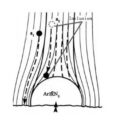
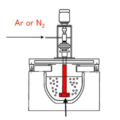
The process of removing hydrogen from molten aluminum first takes place inside the melt. The hydrogen atoms dissolved in molten aluminum undergo migration to the periphery of the bubbles of the purifying agent (Ar or N2, etc.). At the periphery of the bubble, it is adsorbed and formed into hydrogen molecules to enter the bubble. […]

09Eki 2020
Sıvı Alüminyumun Arıtma Teknolojisi

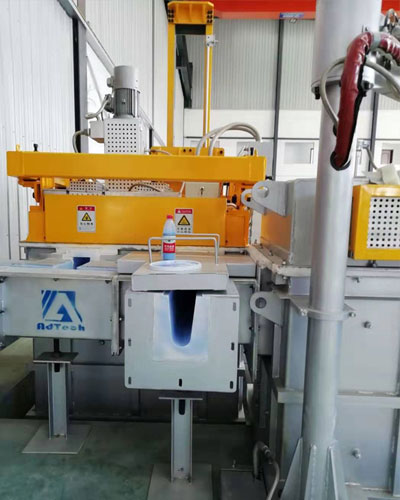
The purification technology of liquid aluminum, which is based on hydrogen removal, mainly includes bubble floatation, vacuum treatment, ultrasonic treatment, and rare earth hydrogen storage. Because of its simplicity and high efficiency, the bubble floatation method is still a widely used aluminum liquid hydrogen removal purification technology. AdTech online degassing unit adopts bubble floatation method […]

06Eki 2020
Alüminyum Arıtma İşlemi

Aluminum Purification Treatment is to obtain a clean, pure and homogeneous melt. The hydrogen content and slag content of the melt will affect the quality of the ingot. Therefore, we take the following measures to improve the quality of the smelting: ① During the smelting process, control the melt temperature between 720℃ ~ 760℃, and […]