Aluminum casting involves handling molten aluminum at temperatures typically above 700°C, making safety management a critical part of every melting and casting operation. The main risks in an aluminum casting workshop come from molten aluminum reactions with moisture, equipment failures, improper material handling, gas hazards, and high-temperature operations.
Understanding these risks and applying proper safety measures can significantly reduce accidents, protect operators, and improve the reliability of aluminum production processes.
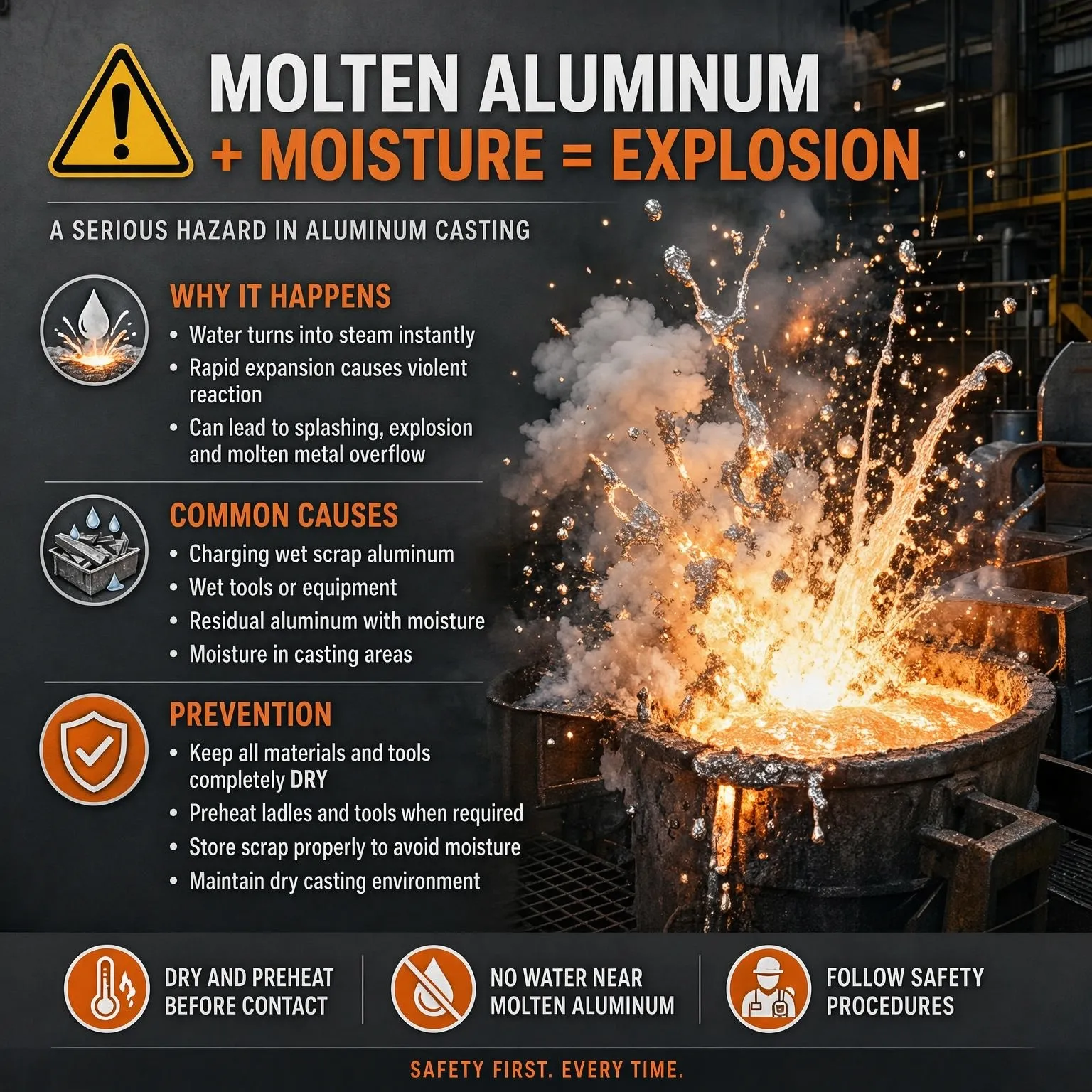
risk factors in aluminum casting
1. Molten Aluminum Explosion Caused by Moisture
One of the most serious hazards in aluminum casting is the reaction between molten aluminum and water or moisture.
When liquid aluminum contacts water, the rapid conversion of water into steam can cause violent expansion, resulting in aluminum splashing, steam explosions, and molten metal overflow. This risk may occur during:
- Charging wet scrap aluminum into melting furnaces
- Contact between molten aluminum and wet tools or equipment
- Improper handling of residual aluminum
- Moisture accumulation in casting areas
For this reason, aluminum plants must ensure that all charging materials, tools, ladles, and contact surfaces are completely dry and properly preheated when required.
2. Risks During Molten Aluminum Transfer
Molten aluminum transfer between furnaces, holding systems, and casting equipment requires strict control.
During transportation and pouring, potential hazards include:
- Molten aluminum splashing caused by unstable pouring operations
- Leakage caused by damaged containers or equipment failure
- Crane or lifting system failures during molten metal transportation
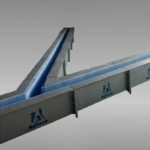
Modern aluminum plants commonly use engineered molten aluminum transfer systems, including ceramic launder systems, to achieve more stable and controlled aluminum flow.
A properly designed ceramic launder provides excellent thermal stability and corrosion resistance, helping reduce turbulence, oxidation, and unnecessary operator exposure during molten aluminum transfer.
3. Scrap Aluminum Charging Hazards
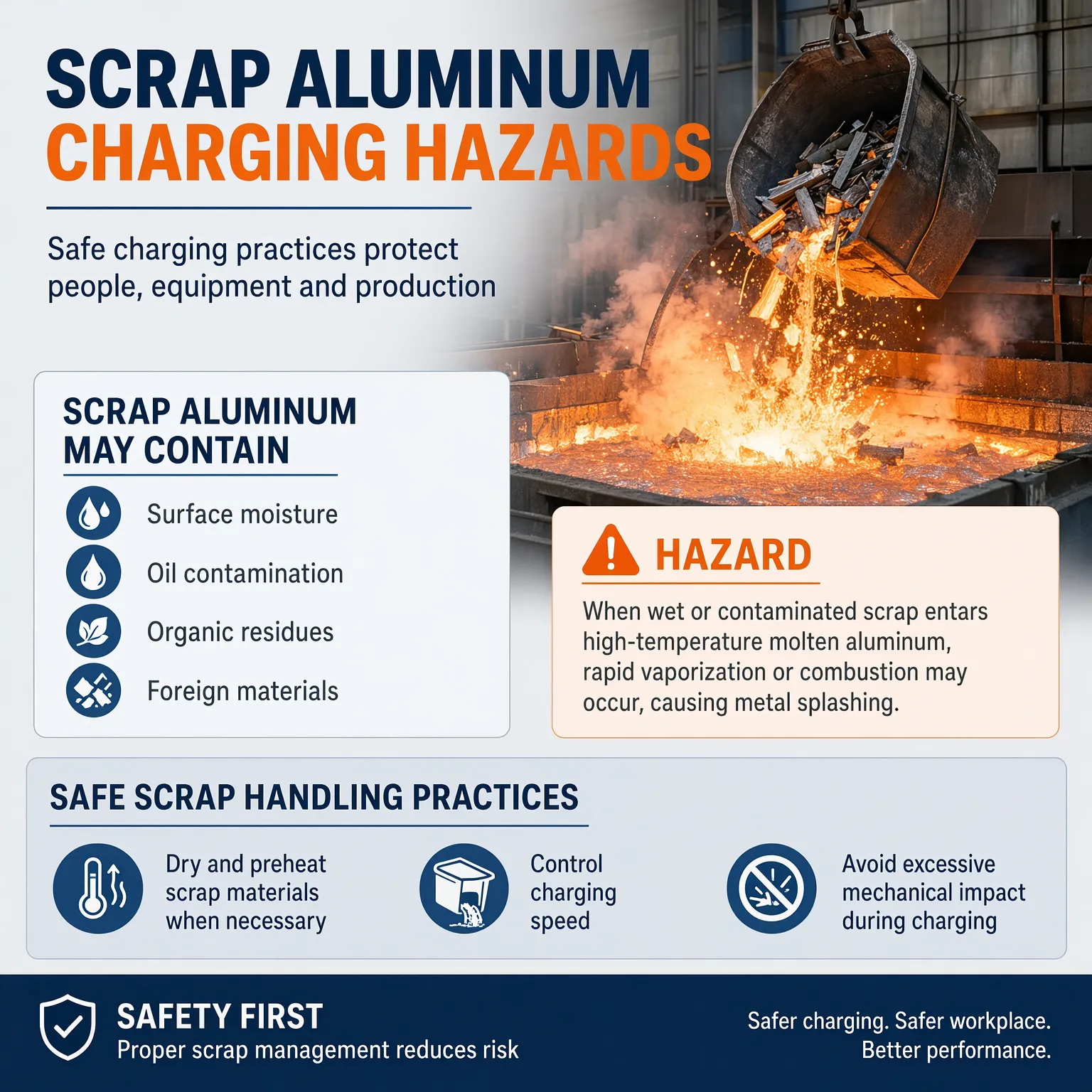
Scrap Aluminum Charging Hazards
Secondary aluminum recycling is widely used in modern aluminum production, but scrap charging requires careful management.
Scrap aluminum may contain:
- Surface moisture
- Oil contamination
- Organic residues
- Foreign materials
When wet or contaminated scrap enters high-temperature molten aluminum, rapid vaporization or combustion may occur, causing metal splashing.
Safe scrap handling practices include:
- Drying and preheating scrap materials when necessary
- Controlling charging speed
- Avoiding excessive mechanical impact during charging
4. Risks Related to Aluminum Melt Treatment Equipment
Aluminum melt treatment processes such as filtration and degassing are essential for improving metal quality, but they must be operated with proper safety controls.
During filtration, unstable equipment installation or improper handling may increase the possibility of aluminum leakage or operator exposure.
Ceramic Foam Filters and filter boxes are widely used in aluminum casting lines to remove non-metallic inclusions from molten aluminum. A reliable filtration system should provide:
- Stable high-temperature performance
- Proper sealing between filter and filter box
- Resistance to thermal shock
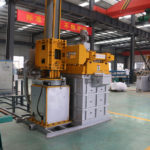
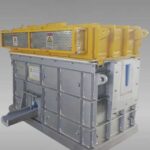
For degassing operations, rotary degassing systems help remove dissolved hydrogen from molten aluminum through controlled gas injection and rotor operation. Closed and standardized equipment designs can reduce direct operator contact with molten metal during treatment.
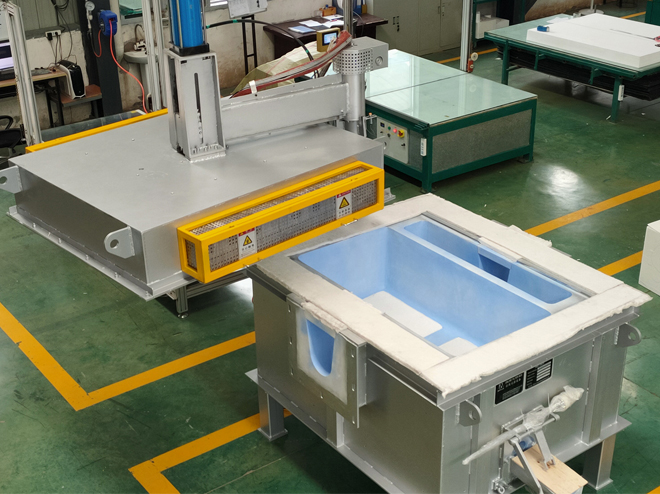
plaka filtre kutusundaki seramik köpük filtre
Learn More About Our Highly Secure Aluminum Melt Treatment Equipment
5. Gas Leakage and Fire Risks
Many aluminum melting operations involve combustion systems, protective gases, or refining gases. Gas leakage or improper ventilation may create safety risks.
Potential hazards include:
- Fire caused by leaking fuel gas
- Exposure to harmful gases
- Oxygen-deficient environments caused by inert gas accumulation
Regular inspection of gas pipelines, ventilation systems, and equipment connections is essential for maintaining a safe working environment.
6. High-Temperature Equipment and Burn Hazards
Aluminum casting facilities contain many high-temperature components, including:
- Melting furnaces
- Holding furnaces
- Transfer launders
- Filtre kutuları
- Casting equipment
Direct contact with these components or insufficient cooling of materials can result in severe burns.
High-quality refractory materials and insulation systems are important for maintaining equipment stability under continuous high-temperature operation.
7. Mechanical Safety Risks in Aluminum Casting Plants
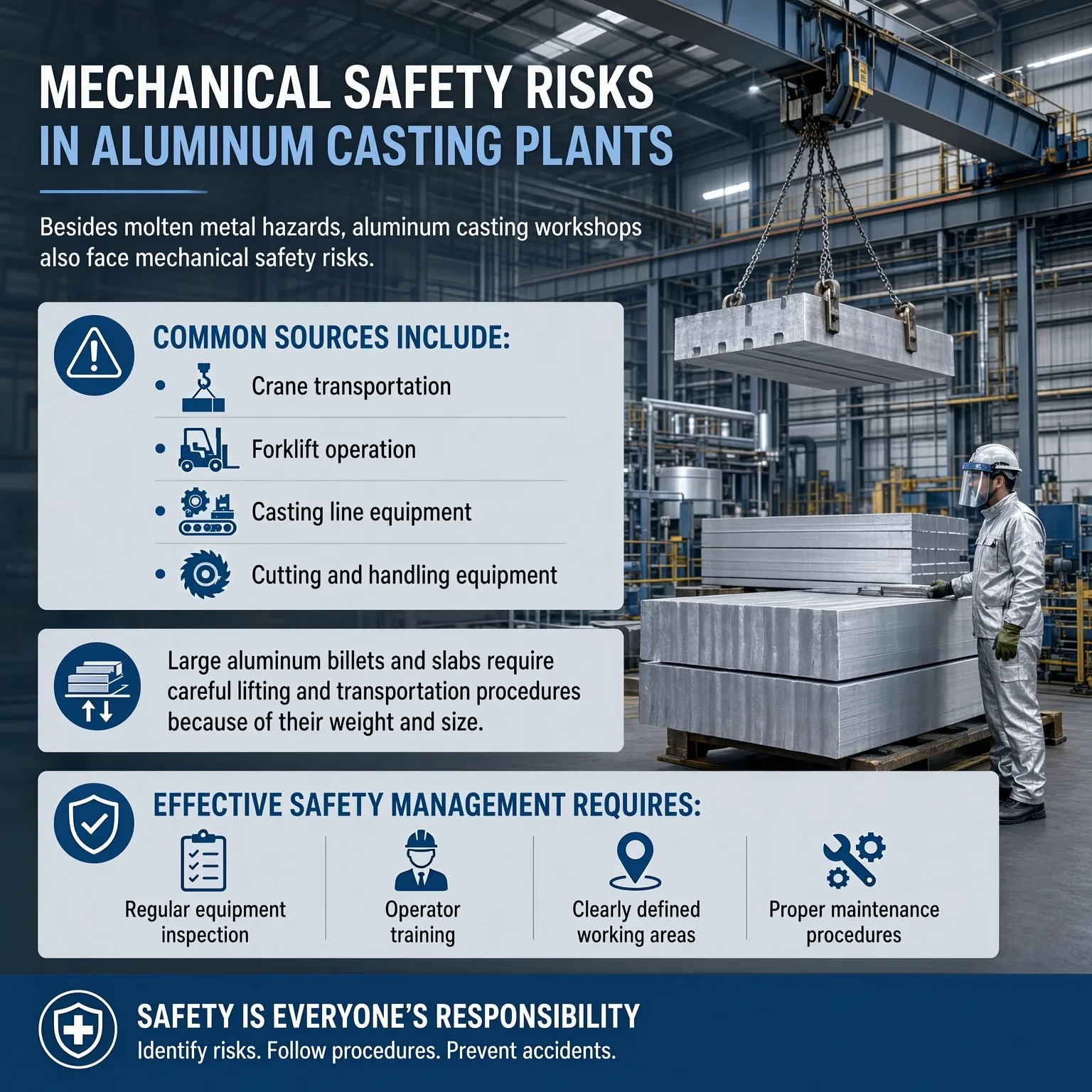
mechanical safety risks In aluminum casting plants
Besides molten metal hazards, aluminum casting workshops also face mechanical safety risks.
Common sources include:
- Crane transportation
- Forklift operation
- Casting line equipment
- Cutting and handling equipment
Large aluminum billets and slabs require careful lifting and transportation procedures because of their weight and size.
Effective safety management requires:
- Regular equipment inspection
- Operatör eğitimi
- Clearly defined working areas
- Proper maintenance procedures
Teknik danışmanlık için bizimle iletişime geçin
How Aluminum Casting Plants Can Improve Safety
A safe aluminum casting operation depends on both operational discipline and reliable equipment design.
Key safety practices include:
- Keep all materials and tools completely dry before contacting molten aluminum.
- Use properly designed molten aluminum transfer systems to reduce splashing and leakage risks.
- Maintain filtration and degassing equipment according to manufacturer recommendations.
- Regularly inspect furnaces, gas systems, lifting equipment, and refractory components.
- Provide continuous safety training for operators working around molten aluminum.
Sonuç
Molten aluminum production always involves high-temperature risks, but these risks can be effectively controlled through proper process management, equipment selection, and operator training.
Reliable aluminum melt treatment equipment, including ceramic foam filters, rotary degassing systems, and ceramic launder solutions, helps aluminum producers achieve cleaner molten aluminum while maintaining safer and more stable casting operations.
Sık Sorulan Sorular
1. What are the main risk factors in aluminum casting?
The main risks in aluminum casting include molten aluminum explosions, moisture contact, equipment failures, gas leakage, high-temperature burns, and mechanical accidents.
2. Why does molten aluminum explode when it contacts water?
Molten aluminum can react violently with water because water instantly turns into steam at high temperatures, causing rapid expansion, metal splashing, and potential explosions.
3. How can aluminum casting plants prevent molten aluminum explosions?
Plants can reduce explosion risks by keeping materials dry, preheating tools when required, controlling scrap charging procedures, and maintaining proper furnace and transfer equipment.
4. Is wet scrap aluminum dangerous during melting?
Yes. Wet or contaminated scrap aluminum can cause violent reactions when added to molten aluminum. Scrap should be properly dried, inspected, and charged under controlled conditions.
5. What safety risks exist during molten aluminum transfer?
Common risks include aluminum splashing, leakage, container failure, and unstable pouring. Proper transfer equipment, such as ceramic launder systems, helps achieve safer and more controlled aluminum flow.
6. How do ceramic foam filters improve aluminum casting safety?
Ceramic foam filters remove non-metallic inclusions from molten aluminum and allow more stable filtration operation. Properly designed filter systems can reduce manual handling and improve process consistency.
7. What safety precautions are needed for aluminum degassing?
Aluminum degassing should be performed with properly maintained equipment, controlled gas supply, and suitable operating procedures. Rotary degassing systems help remove dissolved hydrogen while reducing direct operator exposure to molten aluminum.
8. What causes fire risks in aluminum casting plants?
Fire risks may come from leaking fuel gas, contact between molten aluminum and combustible materials, hydraulic oil leakage, or improper handling of high-temperature equipment.
9. What equipment requires regular safety inspection in aluminum casting plants?
Important equipment includes melting furnaces, holding furnaces, lifting systems, gas systems, filter boxes, launders, and refractory components that operate under high temperatures.
10. How can aluminum foundries improve overall casting safety?
Aluminum foundries can improve safety through proper employee training, regular equipment maintenance, moisture control, reliable molten metal handling systems, and standardized operating procedures.