Molten aluminium purification is the process of removing dissolved hydrogen, oxide films, and non-metallic inclusions from liquid aluminum before casting. The main aluminum melt purification methods include flux treatment, inert gas degassing, and filtration. Effective purification improves melt cleanliness, reduces porosity and casting defects, and provides stable aluminum quality for applications such as automotive components, aerospace alloys, extrusion billets, and aluminum foil stock.
Why Is Molten Aluminium Purification Necessary?
What Problems Does Aluminum Melt Purification Solve?
During melting, aluminum is highly reactive and easily absorbs hydrogen and forms oxide inclusions. These contaminants mainly come from moisture in the atmosphere, wet charge materials, furnace refractories, tools, and oxidation reactions during melting.
Unlike some metals, molten aluminum has a strong tendency to react with oxygen and water vapor. Even after melting, the metal continues to interact with the surrounding environment, causing secondary contamination.
The purpose of molten aluminium purification is to produce clean aluminum melt by controlling two major contamination sources:
- Растворенный водород
- Неметаллические включения
Hydrogen mainly causes gas porosity during solidification, while oxide inclusions reduce mechanical properties and may create defects inside finished products.
| Contaminant | Основной источник | Effect On Casting Quality |
|---|---|---|
| Растворенный водород | Moisture, furnace atmosphere, wet charge materials | Gas pores, reduced strength |
| Пленки из оксида алюминия | Oxidation during melting and handling | Crack initiation, poor ductility |
| Carbide and slag particles | Furnace operation and recycled materials | Дефекты включений |
| Sodium and other impurities | Alloy contamination | Reduced alloy performance |
A successful aluminum melt purification process must remove existing impurities while preventing new contamination during melting, holding, and transfer.
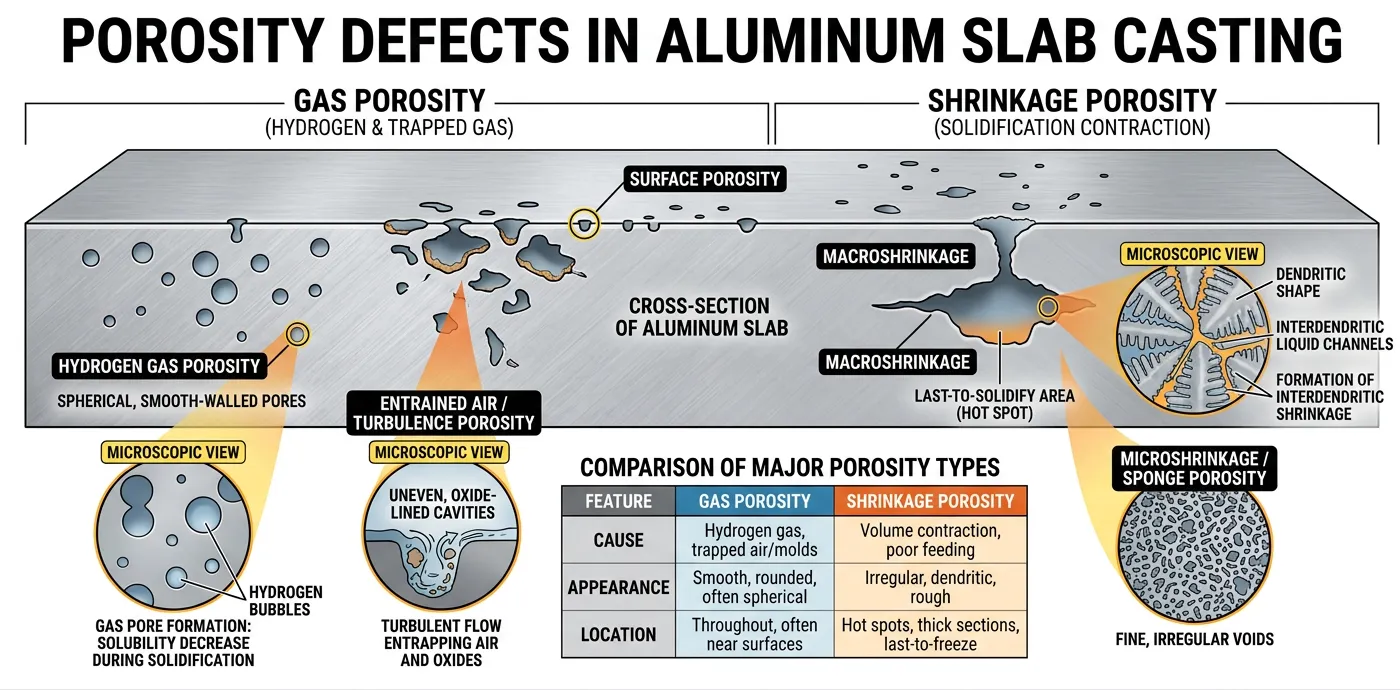
aluminum porosity
What Are The Main Methods Of Molten Aluminium Purification?
How Is Molten Aluminum Cleaned Before Casting?
Modern aluminum foundries usually use a combination of physical and chemical purification methods. No single treatment can remove every type of impurity because hydrogen and solid inclusions exist in different forms.
The main molten aluminum cleaning methods include:
| Метод очистки | Принцип работы | Main Purpose |
|---|---|---|
| Очистка флюсом | Chemical reaction and flotation separation | Remove oxides and assist hydrogen removal |
| Inert gas degassing | Gas bubbles absorb dissolved hydrogen | Reduce hydrogen concentration |
| Ceramic filtration | Physical separation through porous media | Remove fine inclusions |
| Furnace management | Prevent contamination sources | Maintain melt cleanliness |
In industrial production, purification is usually performed after melting and before casting. The timing is important because molten aluminum can quickly absorb hydrogen again after treatment.
A complete aluminum melt treatment process generally follows:
Melting → Flux refining → Degassing → Filtration → Casting
How Does Flux Treatment Purify Molten Aluminum?
What Is The Role Of Flux In Aluminum Melt Purification?
Flux is one of the most widely used materials in aluminum refining. It contains compounds that react with impurities or help separate oxide inclusions from molten aluminum.
According to different functions, aluminum fluxes can be divided into several categories:
| Тип флюса | Основная функция | Типичная область применения |
|---|---|---|
| Покрывающий поток | Reduce oxidation and hydrogen absorption | Protect molten aluminum surface |
| Флюс для рафинирования | Remove hydrogen and oxide inclusions | General melt purification |
| Slag remover | Separate oxide particles from metal | Remove accumulated dross |
| Magnesium alloy flux | Reduce magnesium oxidation and evaporation | Al-Mg alloy production |
A covering flux creates a protective layer on the melt surface, reducing direct contact between aluminum and air.
A slag remover improves the separation of oxide particles from molten aluminum by modifying slag characteristics and reducing metal loss.
For hydrogen removal, refining flux works by generating fine bubbles that promote flotation. The bubbles carry dissolved hydrogen and oxide particles toward the surface, where impurities are captured by the flux layer.
However, flux treatment must be carefully controlled. Excessive flux addition can increase slag generation and metal loss, while insufficient treatment may leave unacceptable impurity levels.
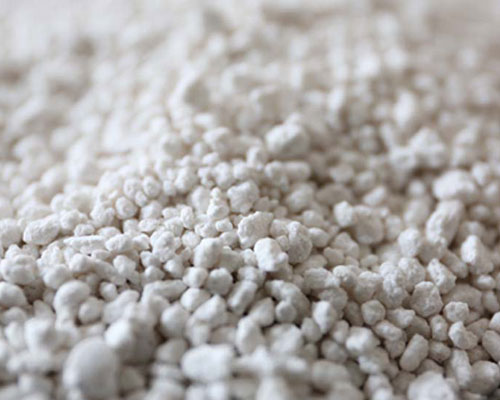
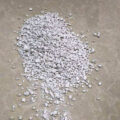
очищающий флюс
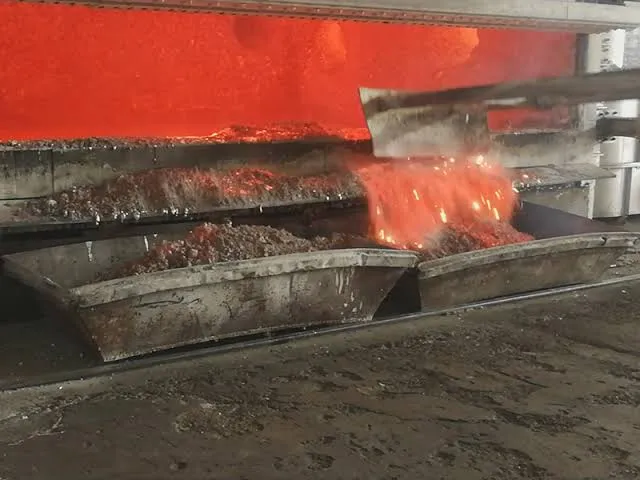
granular flux used in molten aluminum
Learn More About Our granular flux
How Does Degassing Improve Molten Aluminum Purification?
Why Is Hydrogen Removal Important In Aluminum Melt Treatment?
Hydrogen is the only gas with significant solubility in molten aluminum. During solidification, hydrogen solubility decreases dramatically, causing dissolved hydrogen to form pores.
The purpose of aluminum degassing is to reduce hydrogen concentration before the metal enters the casting process.
The most common method is inert gas degassing using argon or nitrogen.
The mechanism is based on hydrogen diffusion:
- Inert gas bubbles enter molten aluminum.
- Hydrogen atoms move from the melt into the bubbles.
- The bubbles rise to the surface.
- Hydrogen escapes from the aluminum melt.
Because the injected gas contains almost no hydrogen, a hydrogen partial pressure difference exists between the molten aluminum and gas bubbles, driving hydrogen transfer.
| Degassing Method | Преимущества | Limitations |
|---|---|---|
| Gas lance injection | Simple equipment, low investment | Larger bubbles, lower efficiency |
| Porous plug degassing | Better bubble dispersion | Limited mixing ability |
| Дегазация с помощью роторного рабочего колеса | Fine bubbles, high efficiency | Requires rotor maintenance |
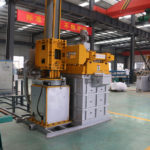
A modern aluminum degassing system uses a rotating graphite impeller to disperse gas into small bubbles, increasing gas-metal contact area and improving hydrogen removal efficiency.
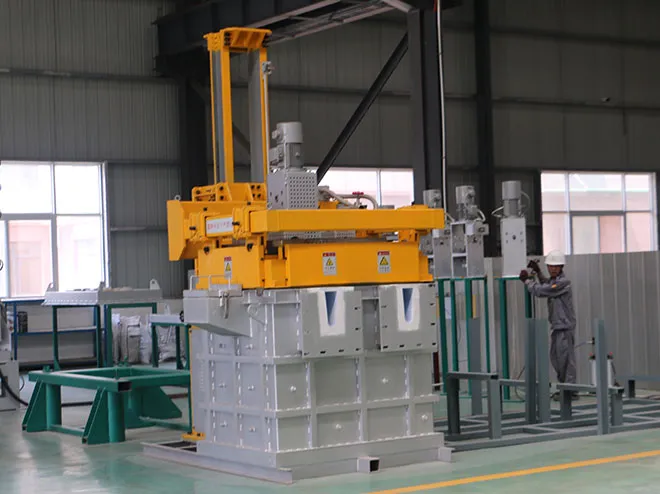
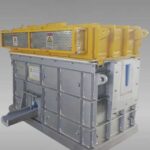
оборудование для дегазации в режиме онлайн
Why Are Oxide Inclusions Difficult To Remove From Molten Aluminum?
How Do Non-Metallic Inclusions Affect Aluminum Quality?
Oxide inclusions are mainly formed when molten aluminum reacts with oxygen. During melting and transfer, oxide films can become trapped inside the metal and form internal defects.
Unlike dissolved hydrogen, oxide particles cannot be removed through degassing alone. They require flotation, flux absorption, or filtration.
The most common non-metallic inclusions include:
| Тип включения | Formation Cause | Potential Problem |
|---|---|---|
| Пленки из оксида алюминия | Surface oxidation and turbulence | Reduced toughness |
| Частицы шпинеля | Alloy contamination | Hard inclusion defects |
| Частицы шлака | Poor melt handling | Дефекты литья |
Because inclusions are distributed throughout the melt, purification treatment must provide sufficient circulation and avoid untreated areas inside the furnace.
This is why industrial aluminum production often combines chemical treatment with filtration technology. A ceramic foam filter can capture remaining solid inclusions before molten aluminum enters casting equipment.
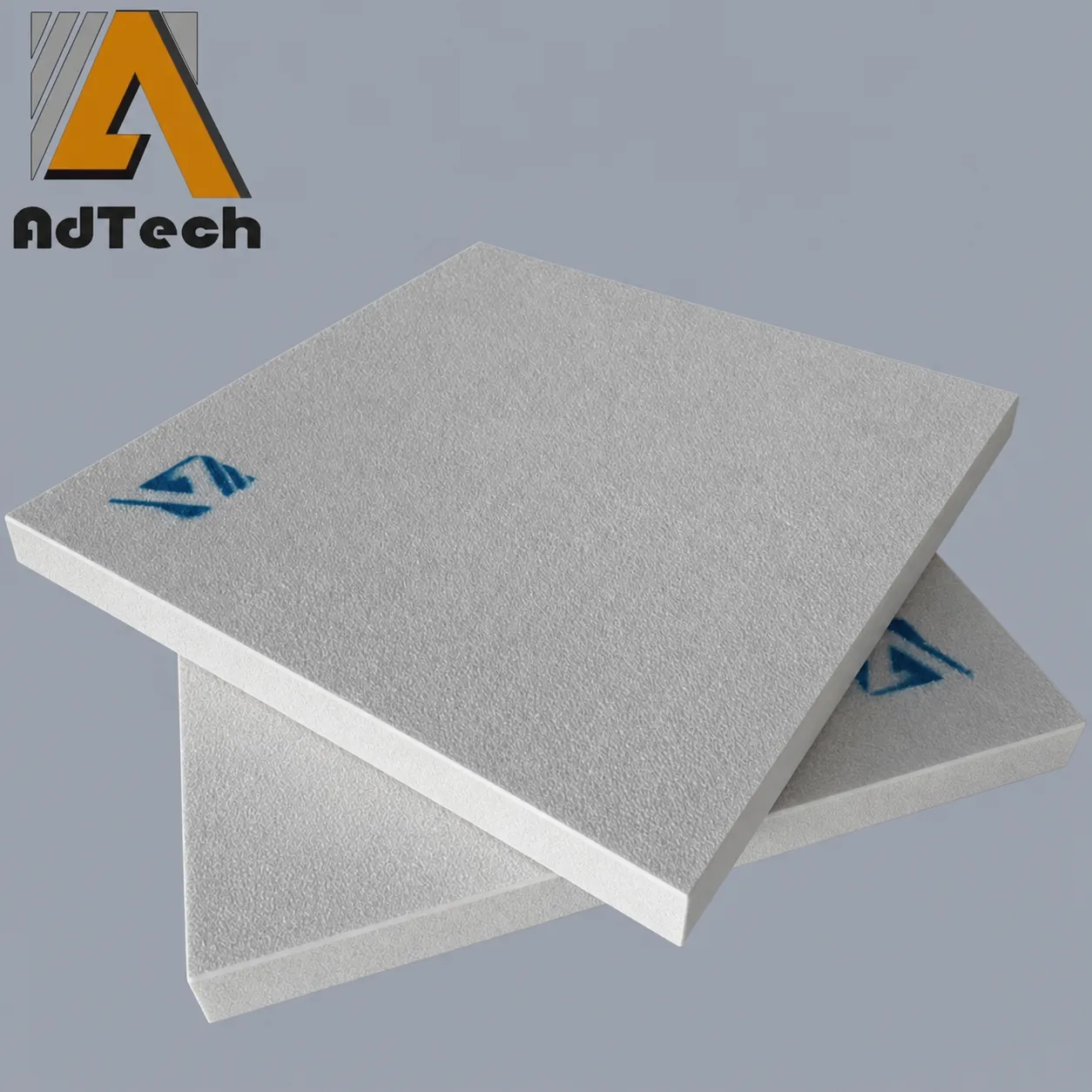
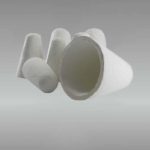
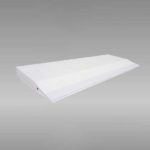
керамический пенофильтр компании AdTech с расширяющейся уплотнительной прокладкой
Learn More About Our Ceramic Foam Filter
How Can Aluminum Foundries Maintain Effective Melt Purification?
Why Are Dry And Clean Materials Important Before Melting?
Molten aluminium purification does not begin after melting; it starts from raw material preparation and furnace management. Preventing contaminants from entering the furnace is often more effective than removing them later.
Moisture is one of the main causes of hydrogen absorption. Aluminum ingots, recycled scrap, tools, refractory materials, and fluxes should be properly stored and fully dried before contacting molten aluminum.
The two basic requirements for charge materials are:
- Dry: Materials should be free from moisture to reduce hydrogen generation.
- Очистить: Materials should be free from oil, dirt, coatings, and foreign metals that may introduce impurities.
| Source Of Contamination | Метод профилактики |
|---|---|
| Wet scrap and ingots | Indoor storage and preheating |
| Moist furnace tools | Complete drying before use |
| Dirty recycled aluminum | Sorting and cleaning before charging |
| Furnace residues | Regular furnace cleaning |
A common misconception is that impurities will simply burn away during melting. In reality, many contaminants remain in the aluminum melt as oxide films, slag particles, or dissolved gases and can negatively affect casting quality.
When Should Molten Aluminum Purification Be Performed?
Why Is Purification Timing Important Before Casting?
The timing of purification directly affects final melt cleanliness. After treatment, molten aluminum can gradually absorb hydrogen again and generate new oxide inclusions during holding and transfer.
Therefore, purification is usually performed as close as possible to the casting stage.
A typical aluminum melt treatment sequence is:
Melting → Temperature adjustment → Flux treatment → Degassing → Filtration → Casting
The purpose is to achieve two goals:
- Remove existing impurities thoroughly.
- Minimize the time between purification and casting.
| Этап процесса | Main Quality Concern |
|---|---|
| Плавление | Hydrogen absorption and oxidation |
| Holding | Вторичное загрязнение |
| Перевод | Oxide formation from turbulence |
| Кастинг | Final inclusion control |
For continuous casting operations, online treatment systems are often used because they can maintain stable melt quality during production.
What Are The Typical Quality Requirements For Purified Aluminum Melt?
How Clean Should Molten Aluminum Be Before Casting?
The required cleanliness level depends on alloy type and final application. General casting products may tolerate higher impurity levels, while aerospace, automotive structural parts, and aluminum foil materials require stricter control.
Typical industrial targets include:
| Параметр качества | Typical Requirement |
|---|---|
| Hydrogen content | Generally below 0.15 cm³/100g Al |
| High-quality aerospace alloys | Around 0.10 cm³/100g Al or lower |
| Sodium content | Commonly controlled around several ppm levels |
| Inclusion level | Controlled according to casting application |
Because non-metallic inclusions are difficult to measure with a single universal standard, aluminum producers usually monitor melt cleanliness through methods such as reduced pressure tests, filtration analysis, and microscopic evaluation.
How Does Complete Aluminum Melt Purification Improve Casting Quality?
Why Is A Combination Of Degassing And Filtration Recommended?
A clean aluminum melt requires control of both dissolved gases and solid impurities.
Degassing mainly removes hydrogen, while filtration removes suspended particles. Using only one method leaves potential sources of defects.
| Treatment | Removes |
|---|---|
| Очистка флюсом | Oxides, slag, some dissolved gases |
| Дегазация | Растворенный водород |
| Ceramic filtration | Fine non-metallic inclusions |
| Proper furnace management | Prevents new contamination |
For high-quality aluminum production, the most reliable approach is a complete purification system combining refining, degassing, and filtration.
This integrated approach helps reduce:
- Газовая пористость
- Inclusion-related defects
- Casting rejection rate
- Mechanical property variation
Свяжитесь с нами для получения технической консультации
Conclusion: Why Is Molten Aluminium Purification Essential For Modern Aluminum Production?
Molten aluminium purification is a key process for producing clean, high-performance aluminum alloys. It removes dissolved hydrogen, reduces oxide inclusions, and improves melt stability before casting.
The most effective purification strategy combines multiple technologies rather than relying on a single treatment method. Flux treatment helps separate oxides and slag, inert gas degassing reduces hydrogen concentration, and ceramic filtration captures remaining solid inclusions.
However, purification efficiency depends not only on equipment but also on process control. Clean and dry raw materials, proper furnace management, suitable treatment timing, and stable casting conditions are all necessary to maintain aluminum melt quality.
For modern aluminum industries such as automotive, aerospace, extrusion, and foil production, achieving clean molten aluminum is not only about removing impurities—it is about creating a stable melt condition that ensures consistent casting performance and product reliability.
Часто задаваемые вопросы
1. What is molten aluminium purification?
Molten aluminium purification is the process of removing dissolved hydrogen and non-metallic inclusions from liquid aluminum before casting to improve melt quality and reduce casting defects.
2. Why does molten aluminum need purification?
Molten aluminum absorbs hydrogen and forms oxide inclusions during melting. Purification reduces porosity, improves mechanical properties, and produces cleaner cast products.
3. What are the main methods of aluminum melt purification?
The main methods include flux refining, inert gas degassing, and ceramic filtration. Most industrial foundries combine these methods for better melt cleanliness.
4. How is hydrogen removed from molten aluminum?
Hydrogen is mainly removed through inert gas degassing. Argon or nitrogen bubbles absorb dissolved hydrogen and carry it out of the melt as they rise.
5. Can flux remove hydrogen from molten aluminum?
Yes. Refining flux can assist hydrogen removal by generating bubbles and promoting flotation, while also helping separate oxide inclusions from the melt.
6. What impurities are removed during aluminum purification?
Aluminum purification removes dissolved hydrogen, oxide films, slag particles, and other non-metallic inclusions that affect casting quality.
7. What is the difference between degassing and filtration?
Degassing removes dissolved gases such as hydrogen, while filtration removes solid particles and non-metallic inclusions from molten aluminum.
8. Why are dry materials important for aluminum melting?
Moisture reacts with molten aluminum and increases hydrogen absorption. Dry charge materials and tools help prevent gas-related casting defects.
9. What gas is used for aluminum melt purification?
Argon and nitrogen are the most common gases used for aluminum melt purification. Argon is preferred for critical alloys, while nitrogen is widely used for general applications.
10. Should aluminum purification be performed before casting?
Yes. Purification should be completed shortly before casting because molten aluminum can absorb hydrogen and form new oxides during extended holding or transfer.