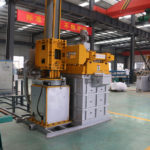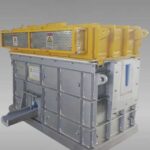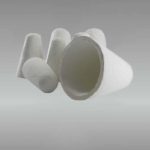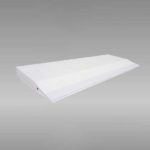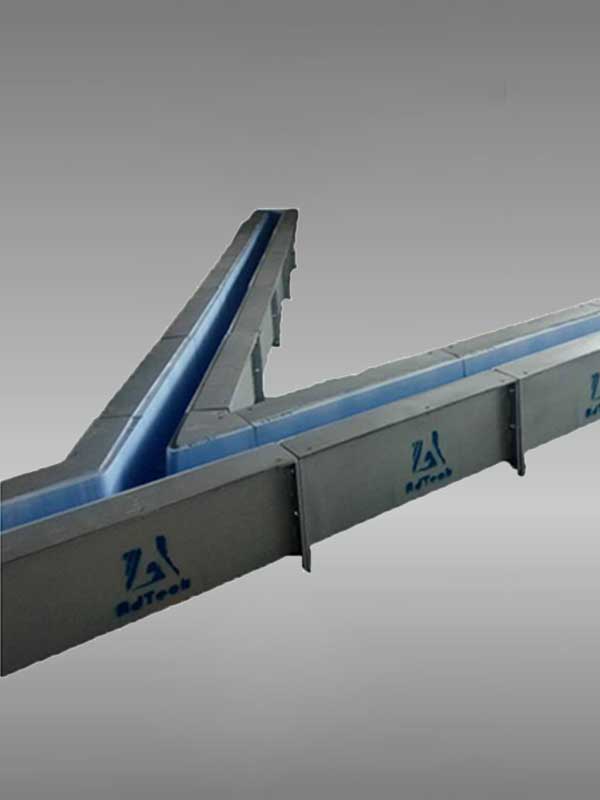
Ceramic Launder is a molten aluminum transfer system installed between the furnace and the casting machine. It is mainly used to transport molten aluminum safely and stably while minimizing temperature loss during transfer.
In modern aluminum casting production, molten metal cleanliness and temperature stability directly affect final product quality. A properly designed ceramic launder helps maintain stable molten aluminum flow conditions while reducing contamination and heat loss.
Compared with traditional refractory launders, ceramic launders using high-silicon molten material molding technology provide significantly longer service life, better corrosion resistance, and stronger thermal insulation performance.
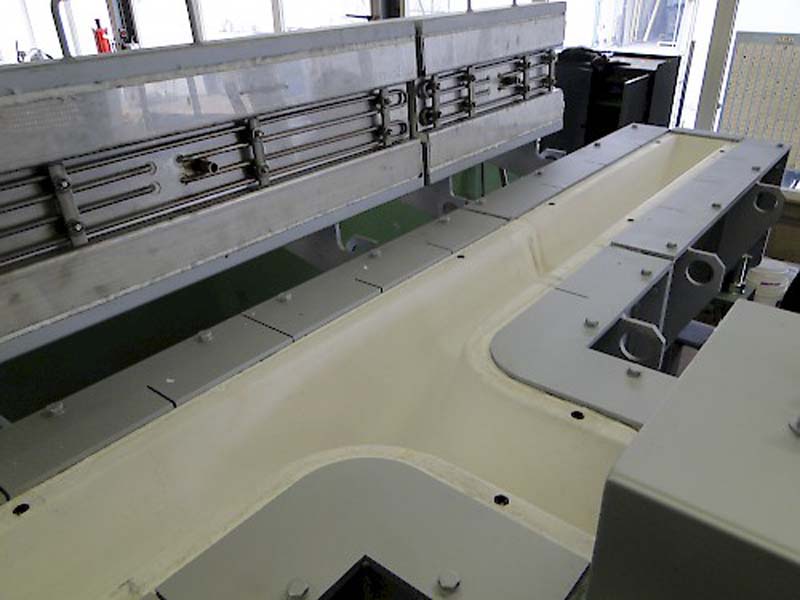
Casting Launder
Ceramic Launder Technical Parameters
| Item | Index |
|---|---|
| Density (g/cm³) | 1.8–2.0 |
| Rupture Modulus (816℃ MPa) | 18.8–19.8 |
| Thermal Expansivity (680℃ K⁻¹) | 1.56×10⁻⁶ |
| Thermal Conductivity (540℃ W/k·m) | 0.8–0.95 |
| Operating Temperature MAX (℃) | 1340 |
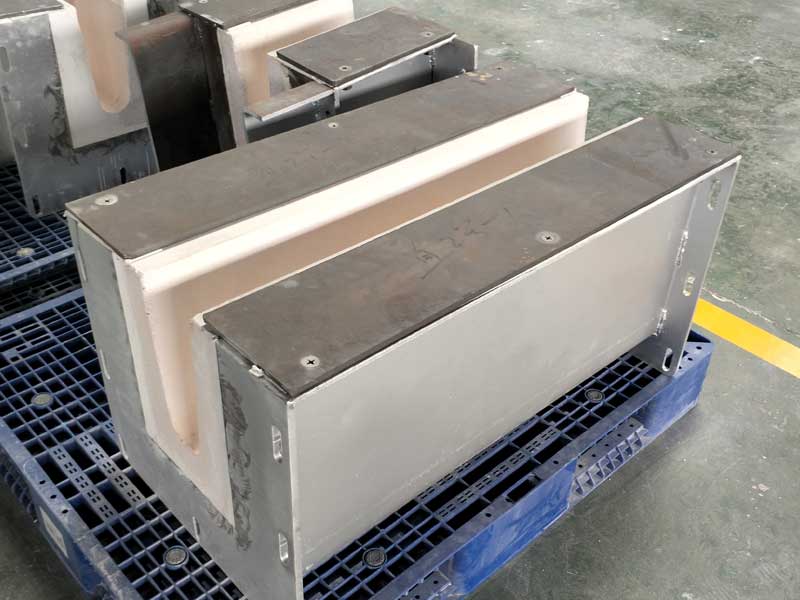
Aluminum Launder
Why Is Ceramic Launder Important for Molten Aluminum Transfer?
Molten aluminum is extremely sensitive during transfer.
If temperature fluctuates too much, or if molten metal contacts unstable refractory materials, several problems may occur:
- Oxide inclusion increase
- Temperature drop
- Aluminum sticking
- Turbulent flow
- Secondary contamination
- Casting defects
A ceramic launder helps stabilize the entire molten aluminum transfer process between:
- Melting furnace
- Holding furnace
- Purification furnace
- Degassing system
- Filtration system
- Casting platform
For high-quality aluminum products, stable molten metal transfer is no longer optional — it is part of the quality control system.
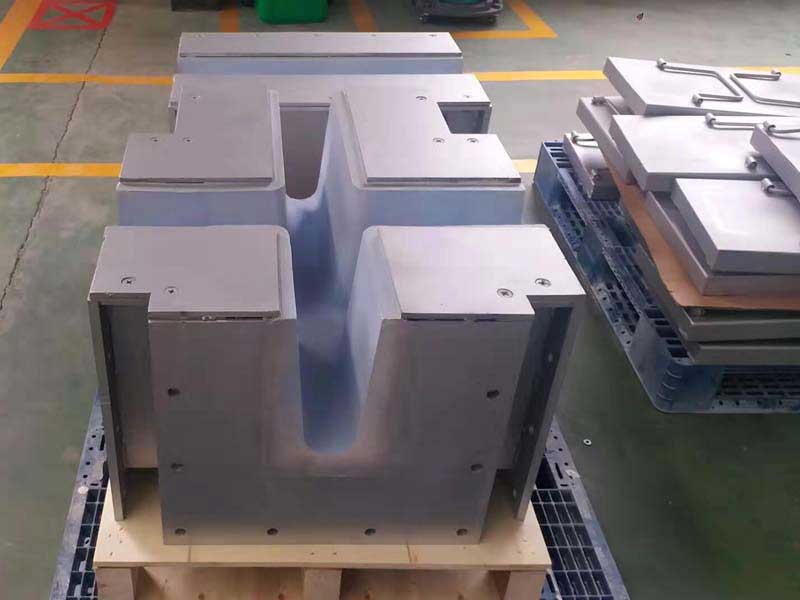
Refractory Launder
Where Is Ceramic Launder Used?
Ceramic launders are widely used in aluminum alloy casting and high-performance aluminum production lines.
Typical applications include:
- Aluminum billet casting
- Aluminum rod production
- Precision aluminum alloy casting
- Aluminum foil stock production
- PS plate base material
- Can stock aluminum production
- Aerospace aluminum alloy production
- Jet turbine engine fan blade materials
- Computer hard disk aluminum materials
These applications require extremely clean molten aluminum and highly stable casting conditions.
What Makes High-Silicon Ceramic Launder Better?
Integral Molding Technology
The ceramic launder lining adopts an integral molding production process using high-silicon molten material technology.
Compared with assembled refractory structures, integral molding offers:
- Higher dimensional accuracy
- Better structural integrity
- Lower leakage risk
- More stable molten aluminum flow
This is especially important in continuous casting operations.
Non-Stick Aluminum Performance
One of the most important requirements in molten aluminum transfer is preventing aluminum sticking.
The ceramic launder lining, combined with boron nitride coating, provides excellent non-stick aluminum performance.
Benefits include:
- Easier cleaning
- Reduced aluminum buildup
- More stable flow channel
- Longer operational life
Strong Corrosion Resistance
Molten aluminum and aluminum alloys can aggressively attack refractory materials over time.
Ceramic launder systems are designed with strong corrosion resistance against:
- Aluminum alloys
- Zinc alloys
- Magnesium alloys
This significantly improves the lifespan of molten metal transfer equipment.
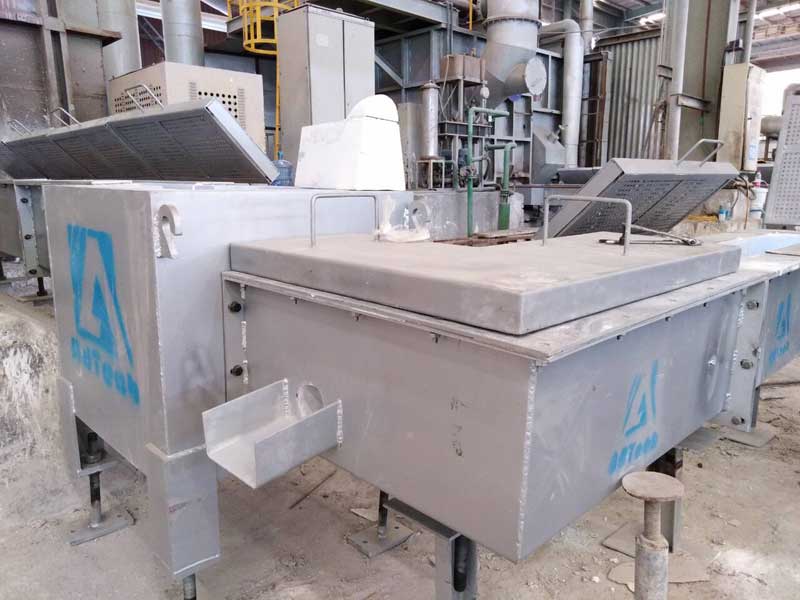
Insulating Launder
How Does Ceramic Launder Reduce Temperature Loss?
Temperature loss during molten aluminum transfer is one of the biggest hidden costs in aluminum casting.
Excessive temperature drop may cause:
- Poor fluidity
- Unstable solidification
- Inclusion defects
- Increased energy consumption
AdTech Ceramic Launder provides dual functions:
- Molten aluminum conveying
- Thermal insulation
The metal temperature drop during operation can typically be controlled within approximately 2℃ per meter.
This helps maintain stable casting conditions and reduces unnecessary reheating.
Ceramic Launder Parts
A complete ceramic launder system mainly includes:
Cabinet Shell
Provides external structural protection and mechanical support.
Box Lining
The core molten aluminum contact structure made from high-silicon refractory material.
Insulation Cover
Helps minimize heat loss and reduce molten aluminum exposure to atmosphere.
Why Long Service Life Matters in Aluminum Casting
Frequent launder replacement creates several production problems:
- Increased maintenance downtime
- Higher labor cost
- Production interruptions
- Risk of contamination during replacement
The ceramic launder’s high-strength refractory structure provides:
- Excellent erosion resistance
- Thermal shock resistance
- Long operational lifespan
- Reduced maintenance frequency
For continuous aluminum casting operations, longer service life means more stable production and lower operating cost.
How to Install Ceramic Launder Correctly?
Step 1 – Ensure Clean Installation
Install the flow channel according to on-site construction conditions.
The overall launder system should remain:
- Clean
- Seamless
- Undamaged
Proper installation helps prevent molten aluminum leakage and turbulence.
Step 2 – Uniform Preheating
The installed ceramic launder should be evenly preheated for approximately 6–8 hours.
This process removes absorbed crystal water and reduces thermal shock risk during operation.
Step 3 – Avoid Direct Flame Heating
During baking and preheating:
- Control flame temperature carefully
- Avoid direct flame roasting
- Prevent local overheating
Uneven heating may create thermal stress that can damage the lining, tube, plate, or filter plate.
How Does Ceramic Launder Improve Aluminum Casting Quality?
Stable molten aluminum transfer improves:
- Molten metal cleanliness
- Temperature consistency
- Flow stability
- Casting surface quality
- Inclusion control
A properly designed ceramic launder system reduces turbulence and secondary oxidation during transfer, helping aluminum producers achieve more consistent casting performance.
This is particularly important in high-value aluminum products where even small defects may lead to rejection.
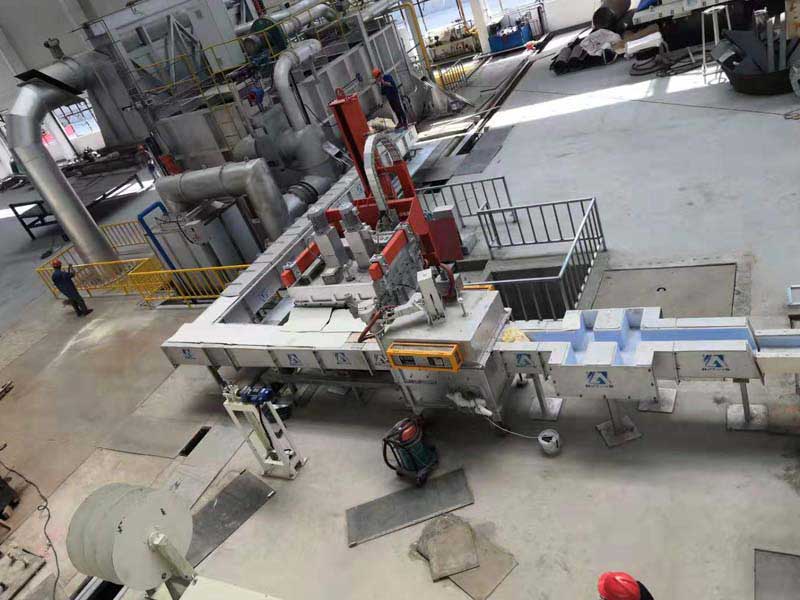
Molten Aluminium Transfer
How Ceramic Launder Works with Other Melt Treatment Equipment
Modern aluminum casting lines typically combine ceramic launders with:
- Inline degassing systems
- Ceramic foam filters
- Pouring cups
- Distributing launders
- Hot-top casting systems
- Refining flux
- Covering flux
- Slagging flux
Together, these systems create a complete molten aluminum treatment solution.
Improve Molten Aluminum Transfer Stability with AdTech Ceramic Launder
AdTech Ceramic Launder is designed for stable molten aluminum transfer, low temperature loss, and long service life in aluminum casting operations.
Using advanced high-silicon molten material molding technology, the system provides excellent thermal insulation, strong corrosion resistance, non-stick aluminum performance, and stable molten metal flow control for high-quality aluminum production.
AdTech provides customized ceramic launder solutions for aluminum casting systems. Contact us for technical consultation and quotation.
FAQ
1. What is a ceramic launder used for?
Ceramic launder is used to transport molten aluminum between the furnace and casting equipment while reducing temperature loss and contamination.
2. Why is ceramic launder important in aluminum casting?
It helps maintain stable molten aluminum flow, reduce heat loss, and improve molten metal cleanliness.
3. What material is ceramic launder made of?
It uses high-silicon molten refractory material with integral molding technology.
4. Can ceramic launder reduce molten aluminum sticking?
Yes. Boron nitride coating provides excellent non-stick aluminum performance.
5. What temperature can ceramic launder withstand?
The maximum operating temperature can reach approximately 1340℃.
6. Does ceramic launder improve casting quality?
Yes. Stable molten aluminum transfer helps reduce inclusions, turbulence, and casting defects.
7. How much temperature loss occurs during transfer?
The temperature drop is typically controlled within approximately 2℃ per meter.
8. What industries use ceramic launder systems?
They are widely used in aluminum billet casting, foil production, aerospace aluminum, and precision alloy casting.
9. Why is preheating necessary before operation?
Preheating removes absorbed moisture and reduces thermal shock damage during molten aluminum transfer.
10. Can ceramic launder work with degassing and filtration systems?
Yes. Ceramic launders are commonly integrated with degassing units and ceramic foam filtration systems.