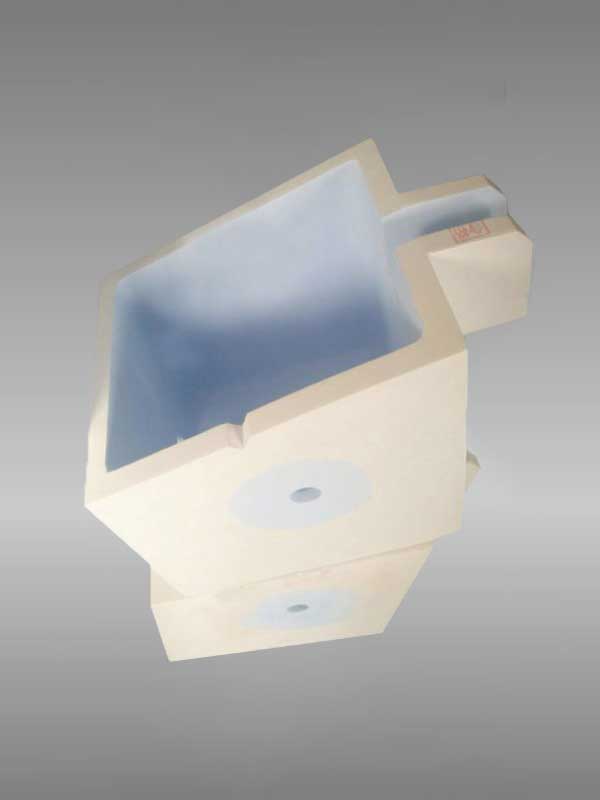
In modern aluminum casting operations, stable molten metal flow is critical for product quality, process stability, and production efficiency.
An aluminum casting tundish is a molten aluminum flow control device used between the launder system and the casting nozzle to regulate metal distribution, reduce turbulence, stabilize liquid aluminum flow, and improve casting consistency.
A properly designed tundish helps aluminum producers:
- Improve molten aluminum flow stability
- Reduce turbulence and oxide formation
- Minimize slag entrainment
- Improve strip and billet surface quality
- Maintain temperature consistency
- Reduce casting defects
- Improve downstream rolling and extrusion performance
Aluminum tundish systems are widely used in:
- Aluminum strip casting
- Aluminum foil production
- Rolling mills
- Billet casting
- Slab casting
- Automotive aluminum production
- Aerospace aluminum processing
What Is an Aluminum Casting Tundish?
An aluminum casting tundish is a refractory-lined molten metal distribution chamber used during aluminum casting and rolling operations.
The tundish is positioned between the launder system and the casting equipment. Its primary purpose is to stabilize molten aluminum flow before the metal enters the casting zone.
In aluminum strip casting and rolling operations, the tundish helps distribute molten aluminum evenly across the casting width while reducing turbulence and oxidation.
A properly engineered tundish system contributes to:
- Stable molten aluminum flow
- Improved temperature consistency
- Reduced oxide generation
- Better casting surface quality
- Cleaner molten aluminum transfer
Because molten aluminum is highly reactive at casting temperature, even small disturbances in flow can introduce oxide films, inclusions, and surface defects.
For this reason, tundish flow control plays a critical role in modern aluminum casthouse operations.
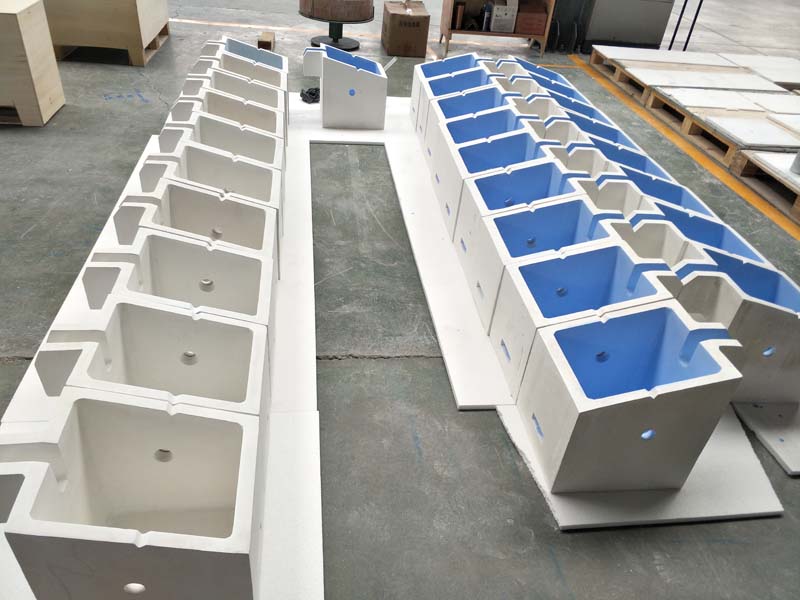
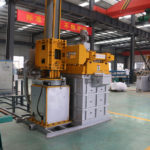
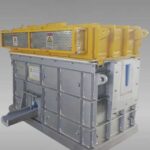
Aluminum Casting Tundish
Functions of a Tundish in Molten Aluminum Transfer
The tundish performs several important functions during molten aluminum transfer.
Flow Stabilization
One of the primary functions of the tundish is to stabilize molten aluminum flow before casting.
Without proper flow control, molten aluminum may become turbulent, causing:
- Oxide film formation
- Air entrainment
- Inclusion generation
- Uneven casting conditions
The tundish helps maintain smooth and controlled metal delivery.
Metal Distribution
In strip and slab casting applications, the tundish distributes molten aluminum evenly across the casting width.
Uniform metal distribution helps maintain:
- Stable strip thickness
- Consistent surface quality
- Uniform solidification
- Improved downstream rolling performance
Temperature Stability
The tundish also helps reduce temperature fluctuation during molten aluminum transfer.
Stable temperature improves:
- Casting consistency
- Metal flow behavior
- Surface quality
- Process stability
Inclusion Reduction
A properly designed tundish minimizes turbulence and reduces the possibility of oxide entrainment.
Some inclusion flotation may also occur during residence time inside the tundish chamber.
Why Molten Aluminum Flow Control Is Important
Molten aluminum flow control directly affects casting quality.
Unstable flow creates turbulence at the molten metal surface, increasing oxidation and inclusion formation.
These defects may later appear as:
- Surface streaks
- Oxide defects
- Pinholes
- Slag inclusions
- Uneven strip thickness
- Reduced mechanical properties
Modern aluminum casthouses place strong emphasis on controlled molten metal transfer because flow instability can negatively impact every downstream process.
Common Problems Caused by Turbulent Molten Aluminum Flow
| Problem | Cause | Production Impact |
|---|---|---|
| Oxide inclusions | Surface turbulence | Reduced metal cleanliness |
| Slag entrainment | Unstable flow | Surface defects |
| Temperature variation | Poor flow distribution | Inconsistent casting |
| Uneven strip thickness | Non-uniform metal delivery | Rolling quality problems |
| Surface marks | Flow instability | Increased rejection rate |
Improving molten aluminum flow control is one of the most effective ways to improve overall casting performance.
Common Materials Used in Aluminum Tundish Systems
Aluminum tundish systems operate under severe thermal and chemical conditions.
The lining materials must resist:
- Molten aluminum corrosion
- Thermal shock
- Oxidation
- Mechanical wear
- Aluminum sticking
High-Silicon Refractory Materials
High-silicon materials are widely used because of their excellent non-stick behavior with molten aluminum.
Benefits include:
- Reduced aluminum adhesion
- Improved corrosion resistance
- Longer service life
- Lower contamination risk
Alumina-Based Ceramic Materials
Alumina ceramics provide:
- High temperature resistance
- Mechanical strength
- Thermal stability
These materials are commonly used in critical molten metal contact areas.
Insulating Materials
Thermal insulation materials help minimize heat loss during molten aluminum transfer.
Good insulation improves:
- Temperature stability
- Energy efficiency
- Casting consistency
Advantages of High-Silicon Tundish Linings
High-silicon tundish lining materials are widely used in aluminum casthouse applications because they offer excellent resistance to molten aluminum attack.
Reduced Aluminum Sticking
Non-wetting behavior reduces molten aluminum adhesion to the lining surface.
This helps:
- Improve flow stability
- Reduce cleaning difficulty
- Minimize metal buildup
Longer Service Life
High-silicon linings resist:
- Corrosion
- Thermal shock
- Mechanical damage
This extends tundish operating life and reduces maintenance frequency.
Improved Metal Cleanliness
Stable lining materials help reduce contamination of molten aluminum during transfer.
Cleaner molten aluminum improves:
- Surface quality
- Mechanical properties
- Rolling performance
- Extrusion quality
Lower Maintenance Cost
Longer service life and reduced metal sticking help reduce overall operational cost.
How Aluminum Tundish Systems Improve Casting Quality
A properly designed aluminum tundish contributes directly to casting quality.
Reduced Turbulence
Smooth molten aluminum flow minimizes oxide generation and slag entrainment.
Stable Metal Distribution
Uniform molten metal distribution improves casting consistency across the product width.
Better Surface Quality
Controlled flow conditions help reduce:
- Surface streaks
- Oxide marks
- Casting defects
- Inclusion-related imperfections
Improved Process Stability
Stable molten aluminum transfer improves:
- Production consistency
- Equipment reliability
- Casting efficiency
Common Problems Caused by Poor Tundish Performance
Improper tundish design or poor operation can significantly reduce casting quality.
Excessive Turbulence
Poor flow control may create:
- Oxidation
- Slag entrainment
- Inclusion defects
Uneven Metal Distribution
Non-uniform molten aluminum flow may cause:
- Uneven strip thickness
- Inconsistent solidification
- Surface quality variation
Temperature Loss
Insufficient insulation increases heat loss during transfer.
This may affect:
- Metal fluidity
- Casting stability
- Surface finish
Lining Damage
Improper preheating or thermal shock may cause refractory cracking and reduced service life.
Aluminum Tundish Applications
Aluminum tundish systems are used in a wide range of aluminum casting and rolling processes.
Aluminum Strip Casting
Tundish systems help stabilize molten aluminum flow for strip thickness consistency and surface quality.
Aluminum Foil Production
Clean molten aluminum transfer is essential for thin foil applications where surface defects are highly visible.
Billet Casting
Stable molten aluminum flow improves billet surface quality and downstream extrusion performance.
Automotive Aluminum Production
Automotive aluminum applications require low inclusion levels and stable casting quality.
Aerospace Aluminum Processing
Aerospace alloys demand extremely stable molten metal transfer conditions to maintain high mechanical performance.
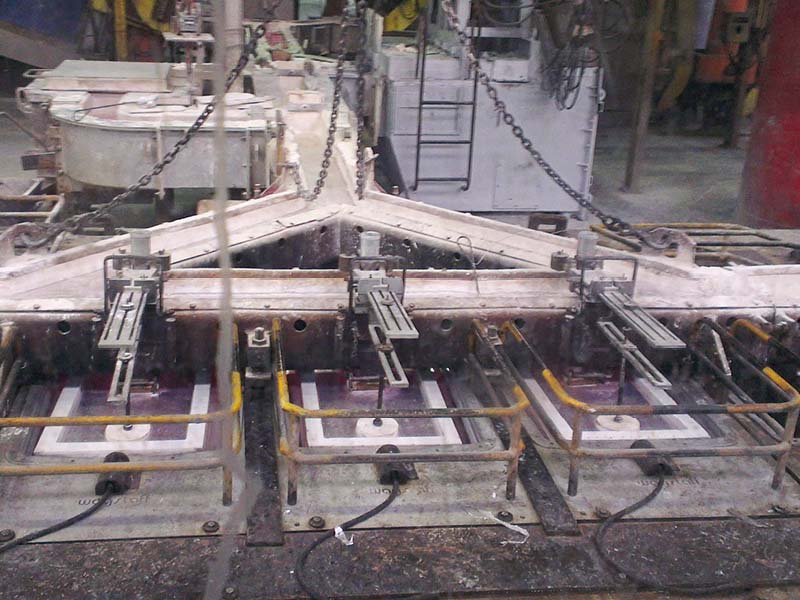
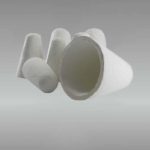
Alumina Ceramic Flow Controller
Best Practices for Aluminum Tundish Operation
Proper operation and maintenance are essential for stable tundish performance.
Proper Preheating
The tundish should be evenly preheated before use.
This helps:
- Remove moisture
- Prevent thermal shock
- Improve lining durability
Minimize Turbulence
Molten aluminum flow should remain as stable as possible during transfer.
Reducing turbulence helps minimize oxide formation.
Regular Inspection
Operators should regularly inspect:
- Lining condition
- Surface cracks
- Metal buildup
- Insulation integrity
Maintain Clean Molten Aluminum Transfer
Good molten metal handling practices improve:
- Flow stability
- Metal cleanliness
- Casting consistency
Improve Molten Aluminum Flow Control with Advanced Aluminum Tundish Systems
Stable molten aluminum transfer is essential for producing high-quality aluminum products.
A properly engineered aluminum casting tundish helps improve:
- Molten aluminum flow stability
- Casting consistency
- Surface quality
- Inclusion control
- Temperature stability
- Production efficiency
AdTech provides customized aluminum tundish solutions for strip casting, rolling mills, billet casting, and molten aluminum transfer systems.
Our tundish systems are designed for:
- Stable molten aluminum flow control
- Long service life
- Reduced turbulence
- Improved aluminum cleanliness
- Reliable industrial casting performance
FAQ
1. What is a tundish in aluminum casting?
A tundish is a molten aluminum flow control container used between the launder system and the casting nozzle during aluminum casting and rolling. It helps regulate molten metal flow rate, stabilize liquid aluminum distribution, and improve casting quality.
2. What is the function of a tundish in molten aluminum transfer?
The tundish controls molten aluminum flow during casting operations. It helps maintain stable flow distribution, reduces turbulence, minimizes oxide formation, and improves dimensional consistency in aluminum strip, foil, and plate production.
3. What materials are used for aluminum tundish manufacturing?
Aluminum tundish systems are commonly manufactured using high-silicon refractory materials, alumina ceramic materials, and non-stick molten metal resistant linings. These materials provide corrosion resistance, thermal shock resistance, and long service life.
4. Why is flow control important in aluminum casting?
Stable molten aluminum flow helps reduce turbulence, oxide inclusions, temperature fluctuation, and casting defects. Proper flow control improves surface quality, internal structure uniformity, and downstream rolling performance.
5. What industries use aluminum tundish systems?
Aluminum tundish systems are widely used in aluminum strip casting, foil production, rolling mills, extrusion billet casting, automotive aluminum manufacturing, aerospace aluminum processing, and high-performance aluminum alloy production.
6. How does a tundish improve aluminum casting quality?
A tundish improves aluminum casting quality by stabilizing molten metal flow, reducing oxidation, minimizing slag entrainment, and maintaining cleaner molten aluminum transfer conditions throughout the casting process.
7. What are the advantages of high-silicon tundish lining materials?
High-silicon tundish lining materials provide excellent non-stick aluminum performance, corrosion resistance, thermal stability, and reduced molten aluminum contamination. They also help extend tundish service life and reduce maintenance frequency.
8. How should an aluminum tundish be preheated before use?
The tundish should be evenly preheated to remove absorbed moisture and reduce thermal shock risk. Controlled heating helps prevent liner cracking, improves operational safety, and increases lining durability during molten aluminum transfer.
9. What defects can poor tundish performance cause?
Improper tundish design or operation may cause molten aluminum turbulence, oxide inclusions, temperature instability, uneven metal distribution, slag entrainment, and casting surface defects.
10. How do I choose the right tundish for aluminum casting?
The correct tundish depends on alloy type, casting speed, molten aluminum flow requirements, production capacity, and casting process design. Important considerations include refractory material quality, thermal insulation performance, corrosion resistance, and dimensional customization.