What Is Aluminum Degassing with Nitrogen?
Aluminum degassing with nitrogen is a widely used molten metal purification process that removes dissolved hydrogen and reduces gas-related defects before casting.
During melting, aluminum easily absorbs hydrogen from moisture, furnace atmosphere, and raw materials. However, the solubility of hydrogen decreases significantly when molten aluminum solidifies. Excess hydrogen cannot escape in time and forms internal pores, pinholes, and other casting defects.
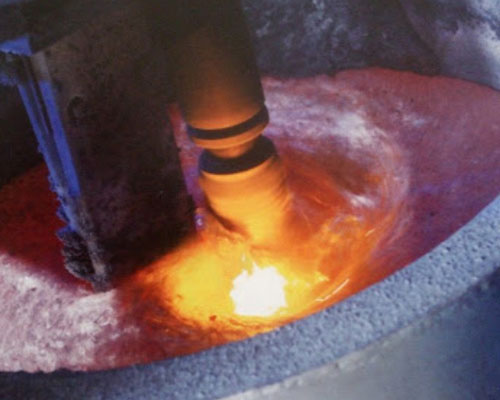
To improve casting quality, nitrogen is introduced into molten aluminum through a rotary degassing system. The nitrogen bubbles capture dissolved hydrogen and help remove it from the melt as the bubbles float to the surface.
Why Is Nitrogen Used for Aluminum Degassing?
Nitrogen is an inert gas that does not react with molten aluminum under normal processing conditions. Compared with traditional chemical purification methods, nitrogen degassing provides a cleaner and more environmentally friendly solution for aluminum melt treatment.
The main advantages include:
1. Effective Hydrogen Removal
The primary purpose of nitrogen degassing is to reduce dissolved hydrogen content.
When nitrogen bubbles enter the molten aluminum:
- Hydrogen diffuses from the melt into nitrogen bubbles
- The bubbles rise through the liquid metal
- Hydrogen is carried away from the melt surface
The smaller and more evenly distributed the bubbles are, the larger the contact area between gas and aluminum melt becomes, improving degassing efficiency.
2. Reduction of Casting Porosity
High hydrogen levels are one of the main causes of:
- Gas porosity
- Pinholes
- Internal cavities
- Reduced mechanical properties
By controlling hydrogen content before casting, nitrogen degassing helps produce cleaner aluminum with improved density and consistency.
3. Removal of Non-metallic Inclusions
Besides hydrogen removal, fine nitrogen bubbles can also assist in floating some oxide inclusions and impurities to the melt surface.
However, gas degassing and filtration perform different functions. Nitrogen mainly removes dissolved gases, while ceramic filtration is responsible for capturing solid inclusions.
Contact Us for technical consultation
How Does Nitrogen Degassing Work in Molten Aluminum?
A complete nitrogen degassing process mainly includes three steps:
Step 1: Nitrogen Injection into Molten Aluminum
High-purity nitrogen enters the molten aluminum through a graphite or ceramic rotor.
The rotor rotates at controlled speed and breaks large gas bubbles into thousands of fine bubbles.
Step 2: Hydrogen Transfer Between Aluminum Melt and Nitrogen Bubbles
Because nitrogen bubbles contain almost no hydrogen, a concentration difference is created between the molten aluminum and the bubbles.
Hydrogen atoms move from the aluminum melt into the nitrogen bubbles.
Step 3: Hydrogen and Impurity Removal
The hydrogen-containing bubbles rise to the surface and release the absorbed gas.
At the same time, some oxide particles attached to the bubbles can also float upward and be removed with the slag.
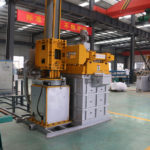
Online Degassing Unit for Nitrogen Treatment
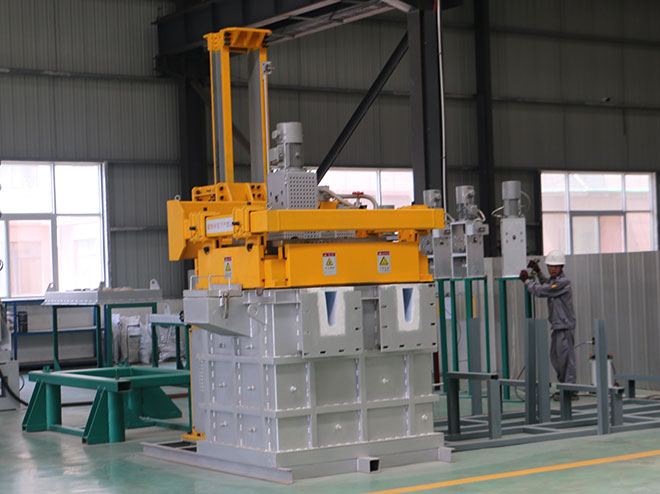
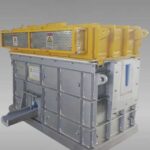
online degassing equipment
In industrial aluminum casting lines, nitrogen degassing is normally performed using a online degassing unit.
A rotary degassing system consists mainly of:
- Degassing chamber
- Rotating shaft
- Graphite or ceramic rotor
- Nitrogen supply system
- Temperature control system
Explore Our Online Degassing Unit
The performance of the degassing process depends on several factors:
Rotor Design
The rotor determines bubble size distribution and gas dispersion.
A high-quality rotor produces smaller and more stable bubbles, increasing the gas-metal contact area.
Gas Flow Control
Excessive nitrogen flow may create large bubbles and reduce treatment efficiency.
Accurate gas flow adjustment helps maintain optimal bubble size and improve hydrogen removal.
Treatment Time
The required degassing time depends on:
- Aluminum alloy composition
- Hydrogen concentration
- Melt temperature
- Production capacity
Nitrogen Degassing vs Argon Degassing for Aluminum
Both nitrogen and argon are commonly used for aluminum melt purification.
The selection depends on alloy requirements and production targets.
| Gas | Advantages | Typical Application |
|---|---|---|
| Nitrogen | Lower operating cost, widely available | Standard billet, rod, slab casting |
| Argon | Higher inertness, excellent purification performance | High-quality alloys and demanding applications |
For many conventional aluminum casting applications, nitrogen provides an economical solution with reliable hydrogen removal performance.
For high magnesium alloys or extremely strict cleanliness requirements, argon may be preferred.
Aluminum Degassing and Ceramic Filtration: A Complete Melt Treatment Solution
Nitrogen degassing is only one part of aluminum melt purification.
After hydrogen removal, molten aluminum usually passes through filtration equipment to remove solid inclusions before entering the casting machine.
For billet, slab, and rod casting applications, a common melt treatment process is:
Holding Furnace → Online Degassing Unit → Ceramic Foam Filter → Casting Machine
The online degassing unit removes dissolved hydrogen, while the ceramic foam filter captures:
- Oxide films
- Non-metallic inclusions
- Other solid particles
Explore Our Ceramic Foam Filter
By combining degassing and filtration, aluminum producers can achieve cleaner metal quality and reduce casting defects.
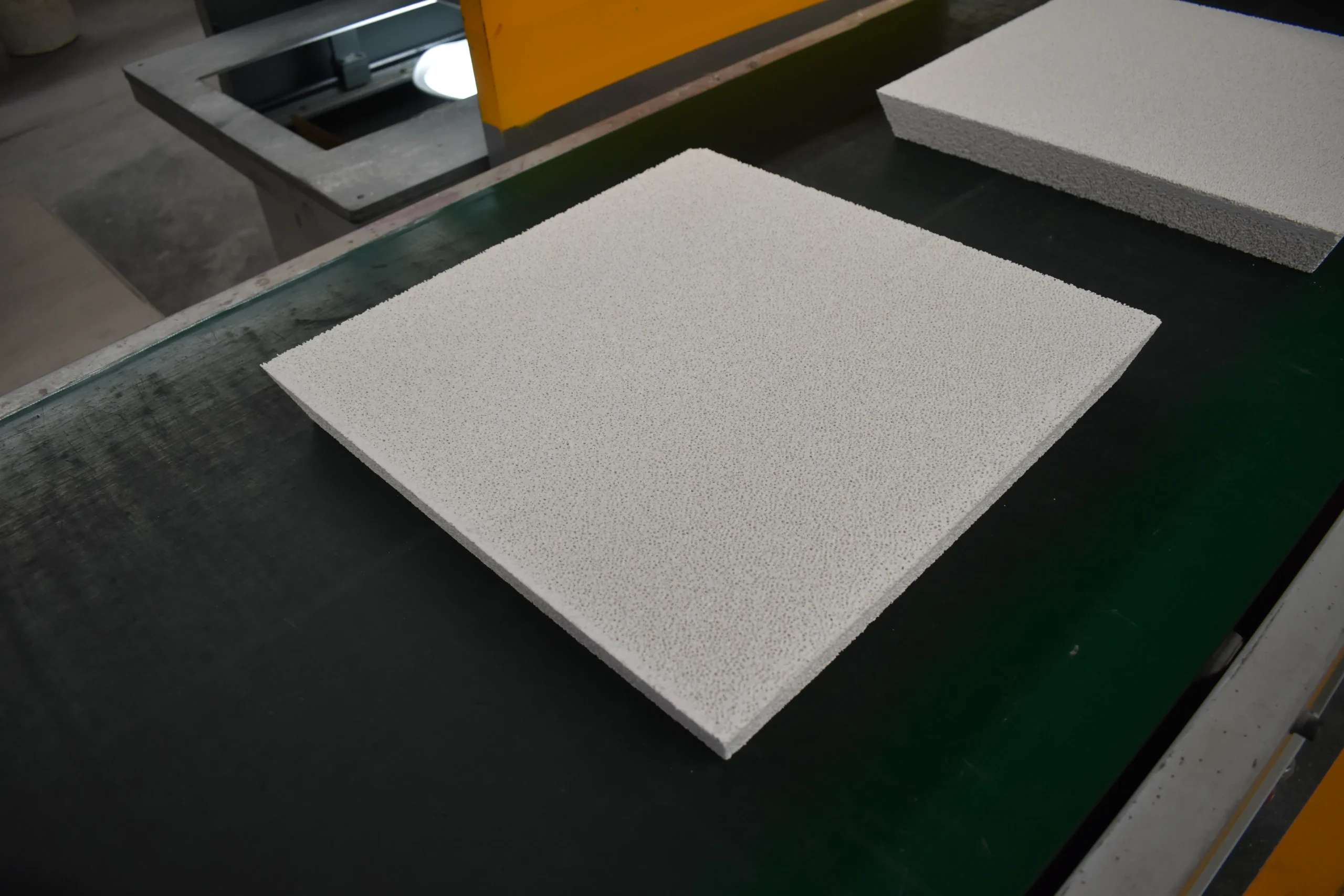
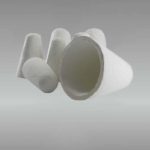
ceramic foam filter
AdTech Aluminum Degassing Solution
AdTech provides aluminum melt treatment equipment designed for continuous casting applications, including rotary online degassing systems and ceramic filtration solutions.
Our aluminum degassing units are designed to improve nitrogen dispersion through optimized rotor technology, helping achieve stable hydrogen removal performance during continuous production.
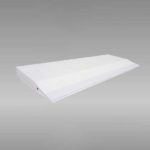
For customers requiring higher melt cleanliness, AdTech also provides ceramic foam filters and plate-type filtration equipment to create a complete purification system from degassing to final filtration.
Applications of Nitrogen Degassing in Aluminum Casting
Nitrogen degassing is widely applied in:
- Aluminum billet casting
- Aluminum rod casting
- Aluminum slab casting
- Extrusion billet production
- Recycled aluminum processing
- General aluminum alloy casting
For production lines requiring stable quality, nitrogen degassing combined with efficient filtration helps improve casting reliability and reduce downstream defects.
FAQ
1. Why is nitrogen used for aluminum degassing instead of simply allowing hydrogen to escape naturally?
Hydrogen has very limited solubility in solid aluminum but much higher solubility in molten aluminum. During solidification, excess dissolved hydrogen cannot escape quickly enough and forms gas pores inside the casting.
Nitrogen degassing accelerates hydrogen removal by introducing fine inert gas bubbles into the molten aluminum. The bubbles provide a surface for dissolved hydrogen to transfer into the gas phase and then leave the melt.
Without an effective degassing process, aluminum products may suffer from pinholes, internal porosity, and reduced mechanical properties.
2. How does nitrogen degassing remove hydrogen from molten aluminum?
Nitrogen degassing works through a physical mass transfer process rather than a chemical reaction.
During treatment:
- Nitrogen enters the molten aluminum through a rotating rotor.
- The rotor disperses nitrogen into thousands of small bubbles.
- Dissolved hydrogen moves from the aluminum melt into these bubbles.
- The bubbles rise to the surface and release hydrogen.
The efficiency of the process depends mainly on bubble size distribution, gas dispersion quality, treatment time, and melt conditions.
3. What aluminum casting defects can be reduced by nitrogen degassing?
Nitrogen degassing mainly reduces hydrogen-related defects, including:
- Gas porosity
- Pinholes
- Internal cavities
- Reduced density of aluminum products
However, nitrogen degassing does not completely remove solid oxide inclusions. For applications requiring high metal cleanliness, degassing is usually combined with ceramic filtration to remove non-metallic particles.
4. What is the difference between nitrogen degassing and argon degassing for aluminum?
Both nitrogen and argon are inert gases used for aluminum melt treatment.
Nitrogen is commonly selected because it is economical and suitable for many standard casting applications, including billet, rod, and slab production.
Argon provides excellent inert gas performance and is often considered for applications requiring stricter melt cleanliness.
The best choice depends on alloy type, quality requirements, operating cost, and casting process.
5. Can nitrogen degassing remove oxide inclusions from molten aluminum?
Nitrogen degassing mainly removes dissolved hydrogen, not solid inclusions.
During degassing, some oxide particles may attach to gas bubbles and float to the surface, but this effect is limited.
For reliable inclusion removal, aluminum producers normally use a filtration system after degassing, such as a ceramic foam filter (CFF) or plate-type filter equipment.
A typical melt treatment process is:
Holding Furnace → Nitrogen Degassing Unit → Ceramic Foam Filter → Casting Machine
6. What factors affect the efficiency of aluminum nitrogen degassing?
The performance of nitrogen degassing depends on several operating factors:
- Nitrogen flow rate
- Rotor speed and design
- Bubble size
- Treatment time
- Aluminum temperature
- Initial hydrogen concentration
- Melt circulation condition
A properly designed rotary degassing unit improves gas dispersion and provides more stable hydrogen removal compared with simple gas injection methods.
7. How do I choose the right aluminum degassing equipment for my casting line?
The suitable degassing equipment depends on:
- Aluminum production capacity
- Casting type (billet, slab, rod, or recycled aluminum)
- Required hydrogen level
- Available installation space
- Continuous or batch operation requirements
For continuous casting lines, an online degassing unit is commonly installed between the holding furnace and filtration system to maintain stable melt quality during production.
8. Does nitrogen degassing work for recycled aluminum?
Yes. Nitrogen degassing is widely used in recycled aluminum processing.
Compared with primary aluminum, recycled aluminum often contains higher levels of hydrogen and oxide contamination due to multiple melting cycles.
A complete purification process usually combines:
- Melt cleaning
- Nitrogen degassing
- Ceramic filtration
to improve metal quality before casting.
9. Why should aluminum degassing be combined with ceramic foam filtration?
Degassing and filtration solve different types of aluminum melt problems.
- Nitrogen degassing removes dissolved hydrogen.
- Ceramic foam filters remove solid inclusions such as oxide particles.
Using both technologies together provides cleaner aluminum melt and helps reduce casting defects caused by both gas and inclusions.
AdTech provides integrated melt treatment solutions combining rotary degassing equipment and ceramic foam filtration systems for billet, slab, and rod casting applications.
10. How does AdTech aluminum degassing equipment improve molten aluminum quality?
AdTech aluminum degassing systems are designed for continuous molten aluminum treatment with stable nitrogen dispersion and efficient hydrogen removal.
Combined with ceramic foam filters and other melt purification equipment, AdTech solutions help aluminum producers:
- Reduce hydrogen-related defects
- Improve melt cleanliness
- Stabilize casting quality
- Support continuous production requirements
The final equipment configuration can be customized according to alloy type, production capacity, and casting process.