The aluminum ingot casting process converts molten aluminum into solid ingots through controlled pouring, cooling, and solidification inside a mold system. A typical DC (direct chill) casting line runs at speeds between 50–120 mm/min depending on alloy and ingot cross-section, with cooling water pressure maintained at 0.05–0.15 MPa. Getting these parameters right determines everything—surface quality, internal grain structure, and whether you end up with sellable product or scrap. This guide covers each stage in detail, with real operating data from production environments.
Request A Quote
What Are the Main Stages of the Aluminum Ingot Casting Process?
The entire casting sequence breaks into four distinct phases. Each one has different speed, temperature, and water requirements. Miss any transition and you risk surface defects, cold shuts, or—worst case—a bleed-out.
| Stage | Casting Speed | Cooling Water | Melt Temperature | Duration |
|---|---|---|---|---|
| Start-up | 30–50% of max | 40–60% of max | 700–720°C | 2–5 min |
| Transition | Ramp to 80–100% | Ramp to 80–100% | 695–710°C | 3–8 min |
| Steady State | 100% (max) | 100% (max) | 690–710°C | Main casting body |
| End / Run-out | Ramp down to 0 | Reduce to start-up level | N/A | 3–5 min |
The start-up phase is the most dangerous. The dummy block sits at the bottom of the mold, and initial metal contact creates thermal shock. Too much water too early causes shell cracking. Too little and you get a thin skin that can’t support the metallostatic head above it.
I’ve seen operators rush the transition phase to hit production targets. That’s how you get butt curl and ingot cracking in the first 300 mm. Patience in the first five minutes saves hours of downtime later.
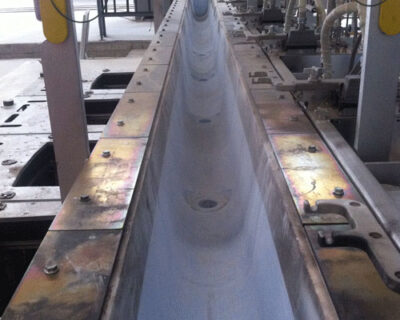
Aluminum Ingot Casting Process
How Does the Steady-State Casting Phase Work?
When the casting speed and cooling water volume (water pressure) both reach the normal value of casting, the aluminum ingot casting process begins to enter a stable stage. At this stage, the casting speed and cooling water volume (water pressure) all reach the maximum, and the casting temperature can be 5°C to 10°C lower than the starting temperature.
This is where most of the ingot length is formed. For a 6-meter billet, steady state accounts for roughly 90% of the total casting time. The operator’s job shifts from active control to monitoring—watching the melt level, checking surface condition, and keeping an eye on the water drainage pattern below the mold.
What Temperature Should You Maintain During Casting?
For 6063 aluminum alloy, it is generally ensured that the temperature at the entrance of the casting platform is between 690°C and 710°C. If the casting platform has a good heat preservation effect, the inlet temperature can be kept at the lower limit; otherwise, it can be kept at the upper limit.
This 20°C window matters more than most people realize. Run too hot and you get coarse grain structure, increased hydrogen porosity, and higher dross generation. Run too cold and you risk premature freezing in the launder, blocked nozzles, and incomplete mold filling.
| Alloy Series | Recommended Casting Temp (°C) | Max Casting Speed (mm/min) | Typical Ingot Cross-Section |
|---|---|---|---|
| 1xxx (pure Al) | 700–720 | 80–120 | T-bar, sow, standard ingot |
| 3xxx (Al-Mn) | 695–715 | 70–100 | Rolling slab, billet |
| 6xxx (Al-Mg-Si) | 690–710 | 60–90 | Extrusion billet, ingot |
| 7xxx (Al-Zn) | 680–700 | 50–75 | Forging billet, slab |
Higher-alloyed grades need lower speeds because their wider freezing range creates a larger mushy zone, which is more prone to hot tearing.
What Precautions Are Critical During the Casting Process?
The precautions for the aluminum ingot casting process are as follows—and I want to be blunt: ignoring any of these can cause serious injury or death. Molten aluminum at 700°C mixed with water creates a steam explosion. This isn’t theoretical; it happens in plants every year.
(1) Monitor the ingot surface continuously. During this process, the surface condition of the ingot should be observed frequently. In addition to waste products, serious accidents such as leaks and explosions can occur. Look for cold folds, drag marks, and any sign of shell thinning.
(2) Keep the liquid level stable. The liquid level is unstable—in addition to affecting the surface quality of the ingot, it can cause molten aluminum to overflow or underfill in severe cases, leading to explosions or other dangerous incidents. A steady melt level produces uniform shell thickness and consistent surface finish.
(3) Watch for aluminum leakage. Pay attention to any aluminum leakage or plugging that occurred at the beginning, so as to avoid leakage again and cause danger. Bleed-outs at the mold-ingot interface are the number one cause of casting pit incidents.
(4) Control the casting length. According to the casting length and the remaining aluminum liquid in the launder, determine the time for the holding furnace to stop tilting or block the furnace hole, so as to avoid the casting ingot being too long, causing waste or difficulty in lifting the ingot from the shaft.
One thing I want to add from experience: always have a dry sand bucket within arm’s reach of the casting pit. If aluminum hits water on the pit floor, sand is your first line of defense—never use water to cool a spill.
Request A Quote
How Does the Casting End Stage Work?
After casting to the required length, the aluminum ingot casting process enters the end stage. At this time, the casting speed gradually drops to zero, and the amount of cooling water (water pressure) is gradually reduced to the same level as the water volume at the beginning of casting. The furnace returns to the initial state, or the furnace eye is completely blocked.
Post-Casting Checklist
This part gets overlooked, but it’s where equipment longevity is won or lost:
- Confirm ingot separation from mold. Make sure that all the ingots are separated from the mold and avoid hanging in the draft tube; otherwise, it will be extremely difficult to clean up and can damage the mold assembly.
- Continue cooling water for 10–15 minutes. At the end of casting, ensure that the cooling water runs for another 10 to 15 minutes to guarantee the ingot is completely solidified, and to reduce the temperature of the mold and the casting platform. This extends the life of the mold, the casting platform, and the casting graphite ring.
- Handle residual aluminum safely. Before discharging the remaining aluminum liquid in the platform, casting launder, and degassing filter box, make sure that the aluminum container is dry. If necessary, bake it in advance to avoid explosion.
- Clean up immediately. It is necessary to clean up the residual aluminum liquid in the casting platform, launder, filter box, etc., in time to avoid difficulty in cleaning after solidification, which will damage the launder and filter box in severe cases.
What Equipment Supports the Aluminum Ingot Casting Process?
The casting process doesn’t happen in isolation. Every stage depends on upstream melt treatment and delivery equipment. Poor degassing means hydrogen porosity in your ingot. A clogged filter means inclusions. A warped launder means temperature loss and turbulence.
Here’s what a well-equipped casting line looks like:
| Equipment | Function | Impact on Ingot Quality |
|---|---|---|
| Degassing unit | Removes dissolved hydrogen from melt | Reduces porosity; typical target <0.12 mL/100g Al |
| Ceramic foam filter | Traps oxide inclusions and slag particles | Cleaner metal; fewer surface defects |
| Hot-top casting system | Controls melt distribution into mold | Uniform shell formation; reduced butt curl |
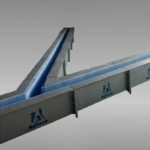
| Launder system | Transfers metal from furnace to casting table | Temperature stability; reduced turbulence and re-oxidation |
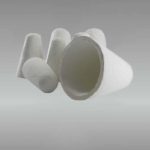
At AdTech, we manufacture the ceramic fiber components, filtration products, and degassing systems that sit between the furnace and the mold. Our approach has always been that casting quality is only as good as the weakest link in the melt delivery chain. You can have a perfectly tuned mold, but if your filter is saturated or your launder lining is cracked, the ingot quality suffers.
What Defects Occur in Aluminum Ingot Casting and How Do You Prevent Them?
Every casthouse deals with defects. The key is knowing which ones come from which stage so you can fix the root cause instead of chasing symptoms.
| Defect | Root Cause | Stage Where It Originates | Prevention |
|---|---|---|---|
| Butt curl / butt swell | Thermal stress during start-up | Start-up | Slower initial speed, controlled water ramp |
| Cold shut / lap | Interrupted metal flow or level fluctuation | Steady state | Stable melt level, consistent pour rate |
| Surface bleed-out | Shell rupture from excessive speed or low water | Steady state | Correct speed-water balance, monitor shell |
| Hot cracking | High alloy content, excessive speed | Steady state | Lower casting speed for high-alloy grades |
| Hydrogen porosity | Inadequate degassing | Pre-casting | Use inline degassing with rotor speed >400 RPM |
| Oxide inclusions | Poor filtration or turbulent metal transfer | Pre-casting | Install CFF filter box with correct pore size |
| Ingot stuck in mold | Incomplete separation at end stage | End stage | Verify mold lubrication, confirm taper |
The most common mistake I see in smaller operations is blaming the casting parameters for defects that actually originate in the melt treatment phase. If your ingots consistently show pinhole porosity, adjusting casting speed won’t fix it—you need better degassing upstream.
Why Does Melt Cleanliness Matter for Ingot Quality?
Inclusions and dissolved gas are the two invisible enemies of a good ingot. You can’t see hydrogen in molten aluminum—but you’ll see the bubbles in the finished product after sawing.
Industry best practice for DC casting:
- Hydrogen content: Below 0.15 mL/100g Al for standard ingots, below 0.10 mL/100g Al for aerospace billets
- Inclusion level: PoDFA values below 0.5 mm²/kg for commercial grades, below 0.1 mm²/kg for critical applications
- Melt temperature uniformity: ±5°C across the launder width at the casting table entrance
Achieving these numbers requires a properly maintained degassing and filtration system. At AdTech, we’ve found that replacing ceramic foam filters at the correct interval—not stretching their life to save cost—makes a measurable difference in downstream reject rates. A spent filter doesn’t just stop catching inclusions; it starts releasing trapped particles back into the melt.
How to Optimize Your Casting Line for Higher Yield
Yield improvement in the aluminum ingot casting process comes from three areas: reducing start-up scrap (butt crop), minimizing surface defects during steady state, and cutting post-casting losses.
Practical steps that actually work:
- Calibrate your water system seasonally. Cooling water temperature changes between summer and winter. A 10°C shift in water supply temperature has a noticeable effect on solidification rate. Adjust flow rates accordingly.
- Standardize start-up recipes by alloy. Don’t rely on operator experience alone. Document the speed ramp, water ramp, and temperature target for each alloy you cast. Consistency beats intuition over thousands of heats.
- Inspect molds and graphite rings between campaigns. A worn casting ring changes the water impingement pattern and produces uneven cooling. Replacement cost is minimal compared to the scrap it prevents.
- Invest in upstream equipment. The most cost-effective quality improvement in most casthouses isn’t a new mold—it’s upgrading to a better filtration system or adding a second-stage degassing unit.
- Train operators on the end-stage procedure. The last 5% of the casting cycle generates a disproportionate share of incidents and waste. Make sure every operator knows the shutdown sequence by heart.
FAQ
1. What is the typical casting speed for aluminum ingots?
DC casting speeds range from 50 to 120 mm/min, depending on alloy composition and ingot cross-section. Pure aluminum (1xxx) casts fastest; high-strength alloys (7xxx) require the slowest speeds.
2. Why does cooling water pressure matter during casting?
Water pressure controls the cooling rate at the mold exit. Too little pressure causes shell thinning and bleed-outs; too much creates thermal stress that leads to cracking.
3. What causes aluminum ingot surface cracks?
Surface cracks typically result from excessive casting speed, inadequate lubrication, or unstable melt level during steady-state casting.
4. How long should cooling water run after casting ends?
Continue cooling water for 10–15 minutes after casting stops to ensure complete solidification and to cool the mold and platform for longer service life.
5. What temperature is best for casting 6063 aluminum alloy?
Maintain 690–710°C at the casting platform entrance. Use the lower end if your launder and platform have good insulation, the upper end if heat loss is significant.
6. How do you prevent explosions during aluminum ingot casting?
Never allow molten aluminum to contact moisture. Keep all containers, tools, and the casting pit floor completely dry. Always bake ladles and containers before use.
7. What role does degassing play in the ingot casting process?
Degassing removes dissolved hydrogen from molten aluminum. Without it, hydrogen forms gas porosity during solidification, weakening the ingot and causing internal voids.
8. How do ceramic foam filters improve ingot quality?
They physically trap oxide particles, flux residues, and other non-metallic inclusions before the metal enters the mold, producing cleaner ingots with fewer surface and internal defects.
9. What happens if the melt level fluctuates during casting?
Unstable melt level causes cold shuts, surface laps, and uneven shell thickness. In extreme cases, it can lead to mold overflow or underfill, both of which create explosion risks.
10. How do you determine when to stop pouring from the furnace?
Calculate the remaining casting length needed, check the aluminum volume left in the launder, and time the furnace tilt stop (or furnace eye block) so the ingot reaches target length without excess metal remaining in the system.