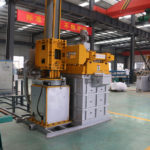
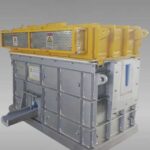
Dross removal flux is a specialized aluminum melt treatment material used to separate aluminum oxide slag, recover metallic aluminum trapped in dross, and improve molten metal cleanliness. By reducing the viscosity of the oxide layer and improving slag-metal separation, aluminum dross removal flux helps foundries minimize metal loss and achieve more efficient aluminum melting operations.
Learn More About Our Aluminum Degassing Flux
What Is Dross Removal Flux Used For In Aluminum Melting?
How Does Aluminum Dross Removal Flux Improve Melt Efficiency?
During aluminum melting, oxidation occurs naturally because molten aluminum has a strong affinity for oxygen. The reaction between liquid aluminum and air forms aluminum oxide films, which accumulate on the melt surface and become dross.
Dross is not simply waste material. It usually contains a mixture of:
- Aluminum oxide (Al₂O₃)
- Metallic aluminum droplets
- Other non-metallic compounds
- Alloying elements and impurities
The main purpose of dross removal flux is not to eliminate dross formation completely, which is unrealistic, but to improve the separation between valuable aluminum metal and oxide residue.
A good aluminum dross removal flux helps:
- Release aluminum trapped inside the oxide structure
- Reduce dross viscosity
- Improve slag fluidity
- Produce dry and easy-to-remove dross
- Reduce aluminum loss during skimming
| Function Of Dross Removal Flux | Working Mechanism | Production Benefit |
|---|---|---|
| Oxide modification | Reacts with oxide-rich dross structure | Easier slag separation |
| Metal recovery | Allows trapped aluminum droplets to coalesce | Higher aluminum yield |
| Slag drying | Reduces sticky characteristics | Cleaner skimming |
| Inclusion collection | Helps gather oxide particles | Improved melt cleanliness |
Why Does Aluminum Dross Form During Melting?
What Causes Dross Formation In Molten Aluminum?
Aluminum dross forms whenever molten aluminum is exposed to oxygen. Although a thin oxide layer can protect the melt surface, excessive turbulence, stirring, charging, and transfer operations accelerate oxidation.
Common causes of increased aluminum dross formation include:
| Cause | Explanation |
|---|---|
| High melt temperature | Accelerates oxidation reactions |
| Excessive stirring | Increases metal-air contact area |
| Wet charge materials | Introduces moisture and increases reactions |
| Scrap with large surface area | Creates more oxidation during melting |
| Long holding time | Allows continuous oxide growth |
For secondary aluminum processing, dross generation is often higher because recycled materials usually contain coatings, oils, moisture, and larger surface areas compared with primary aluminum ingots.
A key production objective is therefore not to completely prevent dross, but to control dross formation and recover as much metallic aluminum as possible.
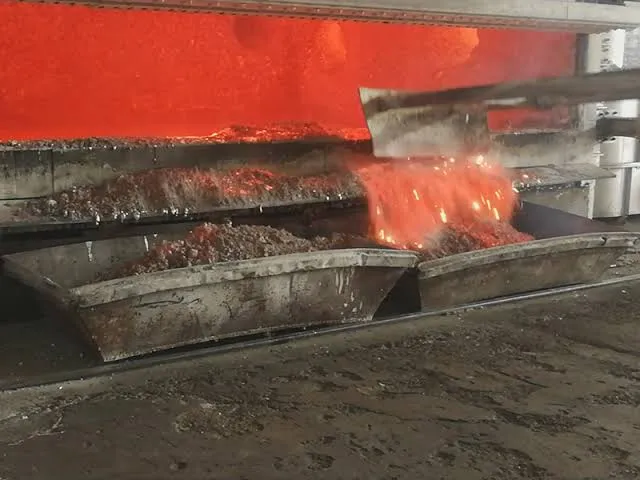
granulater flux used in molten aluminum
What Is The Difference Between Aluminum Dross And Slag?
Is Dross The Same As Aluminum Slag?
The terms dross and slag are sometimes used interchangeably in aluminum processing, but they describe slightly different materials.
Dross generally refers to the oxide-rich material formed on the surface of molten aluminum. Slag is a broader term that can include oxide mixtures, flux residues, and other non-metallic compounds.
| Material | Main Composition | Location |
|---|---|---|
| Aluminum dross | Aluminum oxide + trapped metallic aluminum | Melt surface |
| Slag | Oxides + flux compounds + impurities | Surface or furnace areas |
| Inclusions | Fine solid particles inside melt | Molten aluminum body |
In practical aluminum foundry operations, dross removal flux is mainly used for treating surface dross and improving aluminum recovery.
How Does Dross Removal Flux Work?
What Is The Working Principle Of Aluminum Slag Remover?
The working principle of dross removal flux is based on improving the separation between metallic aluminum and oxide materials.
When added to molten aluminum, the flux penetrates the dross layer and modifies the oxide structure. The oxide network becomes less compact, allowing trapped aluminum droplets to separate and return to the melt.
The treatment process generally includes:
- Applying flux onto the dross-covered melt surface.
- Allowing the flux to react with the oxide layer.
- Improving the fluidity of the dross.
- Separating metallic aluminum from oxide residue.
- Removing the treated dry dross.
| Treatment Stage | Metallurgical Effect |
|---|---|
| Flux contact | Flux penetrates oxide layer |
| Oxide modification | Dross structure becomes less viscous |
| Metal coalescence | Aluminum droplets combine and return to melt |
| Skimming | Remaining residue is removed |
A properly treated dross changes from heavy, wet, and metallic-looking material into a lighter, drier, and easier-to-remove residue.
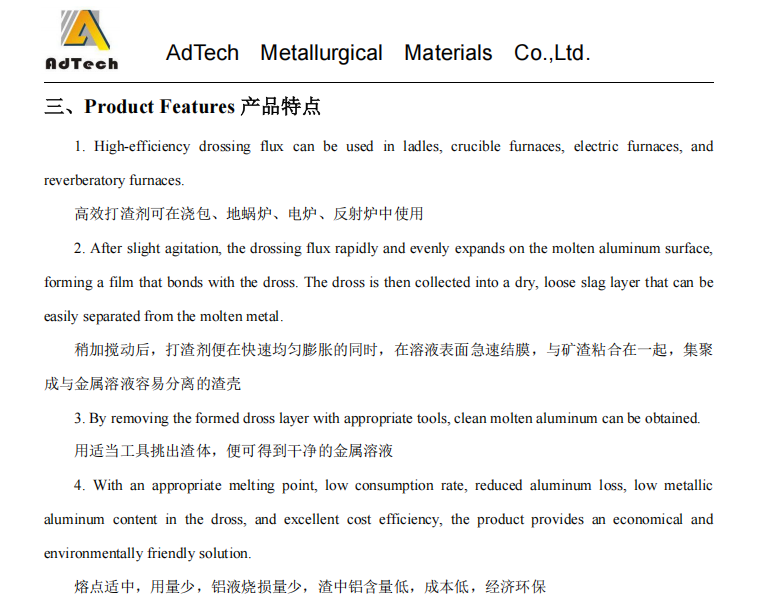
Dross Removal Features
How Should Dross Removal Flux Be Applied?
What Is The Correct Method To Remove Dross From Molten Aluminum?
The application method strongly affects the performance of dross removal flux. Incorrect use may leave valuable aluminum trapped in the dross or increase flux consumption.
A typical aluminum dross removal process includes:
1. Allow dross to accumulate naturally
Excessive stirring before treatment can mix oxide particles back into the melt and increase oxidation.
2. Spread flux evenly
The flux should cover the entire dross surface instead of being concentrated in one area.
3. Allow sufficient reaction time
The flux needs time to penetrate the oxide structure and separate metallic aluminum.
4. Remove treated dross carefully
A perforated skimmer is commonly used because it allows liquid aluminum to drain back while removing solid residue.
| Application Factor | Effect On Result |
|---|---|
| Uneven flux distribution | Incomplete dross treatment |
| Insufficient reaction time | Lower aluminum recovery |
| Excessive stirring | More oxidation |
| Improper skimming | Increased metal loss |
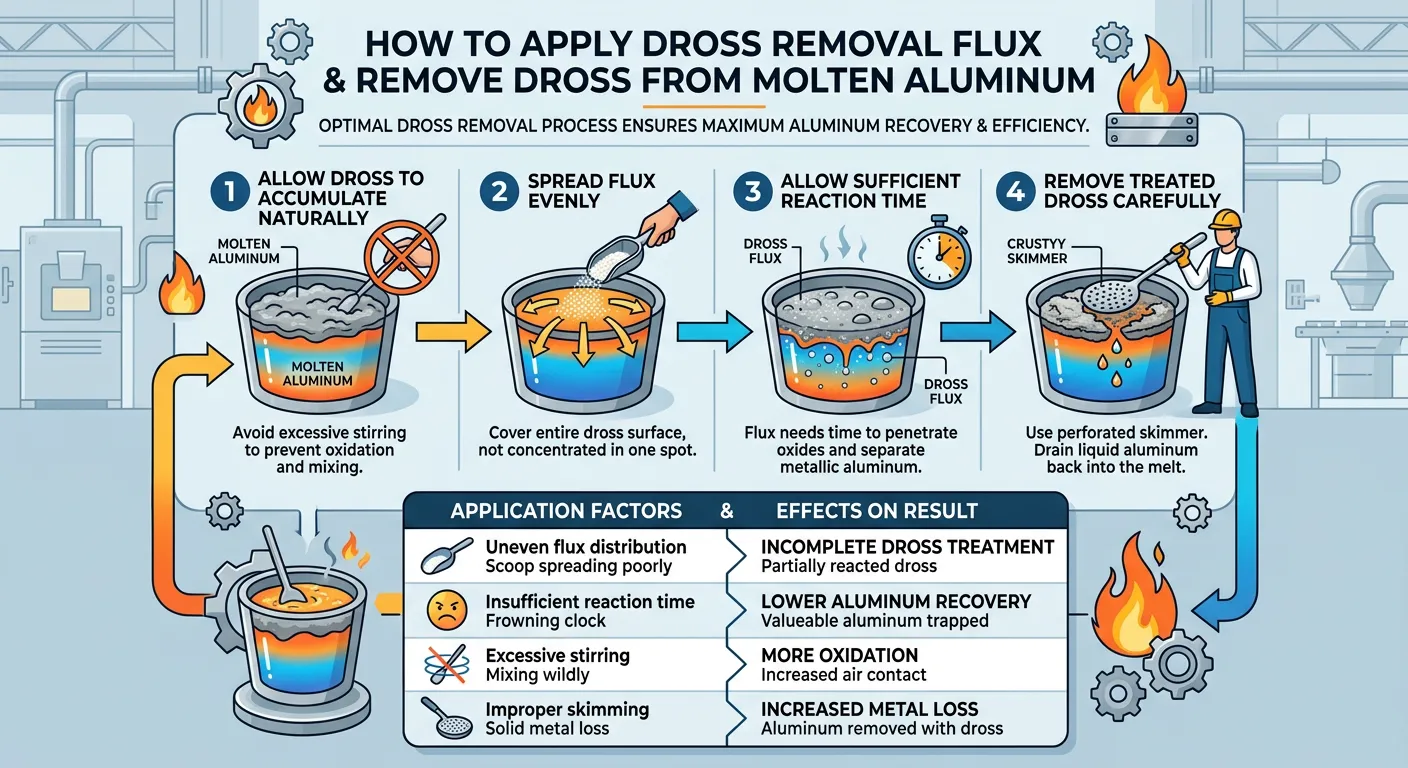
how to alppy dross removal flux
How Does Dross Removal Flux Reduce Aluminum Loss?
Why Is Dross Treatment Important For Aluminum Recovery?
Untreated dross can contain a significant amount of metallic aluminum because small metal droplets become trapped inside oxide networks.
The economic value of dross treatment comes from recovering this trapped aluminum rather than simply removing waste.
Effective dross removal helps:
- Increase metal recovery rate
- Reduce raw material waste
- Lower melting costs
- Improve furnace efficiency
| Before Treatment | After Dross Removal Flux Treatment |
|---|---|
| Wet and sticky dross | Dry and loose residue |
| High trapped aluminum content | Lower residual metal content |
| Difficult separation | Easier skimming |
| Higher metal loss | Improved aluminum recovery |
For aluminum recycling operations, die casting plants, and foundries using large amounts of scrap, controlling dross loss is an important part of production efficiency.
What Is The Difference Between Dross Removal Flux And Refining Flux?
Can Dross Removal Flux Replace Aluminum Refining Flux?
No. Dross removal flux and refining flux have different purposes.
Although both are used during molten aluminum treatment, they target different problems.
| Flux Type | Main Purpose | Target |
|---|---|---|
| Dross removal flux | Separate and recover aluminum from surface dross | Oxide slag |
| Refining flux | Improve melt cleanliness | Oxides and inclusions |
| Degassing flux | Reduce dissolved hydrogen | Gas impurities |
| Covering flux | Protect melt surface | Oxidation prevention |
A complete molten aluminum purification process may require several types of fluxes because aluminum quality is affected by different contamination sources.
For example:
- Dross removal flux controls surface oxidation products.
- Degassing removes dissolved hydrogen.
- Ceramic filtration removes fine inclusions.
Learn More About Our Molten-Aluminum Treatment
How Can Foundries Improve Aluminum Melt Cleanliness?
Should Dross Removal Be Combined With Degassing And Filtration?
Yes. Dross removal is only one part of aluminum melt purification.
Surface dross mainly contains coarse oxide materials, while fine inclusions may remain suspended inside molten aluminum. Therefore, high-quality aluminum production usually combines:
- Dross removal
- Degassing treatment
- Filtration
| Purification Method | Main Contaminant Removed |
|---|---|
| Dross removal flux | Surface oxide slag |
| Aluminum degassing system | Dissolved hydrogen |
| Ceramic foam filter | Fine non-metallic inclusions |
A molten aluminum purification process combining chemical treatment and filtration provides better control of casting quality.
For applications requiring high cleanliness, such as automotive structural components, aerospace alloys, and aluminum foil materials, dross control should be integrated into the overall melt management system.
Conclusion: Why Is Dross Removal Flux Important In Aluminum Production?
Dross removal flux plays an important role in aluminum melting by improving slag separation, recovering trapped metallic aluminum, and reducing metal loss during dross removal.
Dross formation is unavoidable during aluminum melting, but effective treatment can significantly improve aluminum recovery and production efficiency.
The best results come from combining proper raw material management, controlled melting practices, suitable dross removal flux, degassing, and filtration. Together, these processes create cleaner molten aluminum and provide more stable casting performance.
FAQ
1. What is dross removal flux?
Dross removal flux is a molten aluminum treatment material used to separate oxide slag from metallic aluminum and recover aluminum trapped inside dross.
2. Why is dross removal flux used in aluminum melting?
It helps reduce aluminum loss by improving slag-metal separation and allowing trapped aluminum droplets to return to the melt.
3. How does aluminum dross removal flux work?
The flux penetrates the oxide layer, reduces dross viscosity, and helps metallic aluminum separate from oxide residue.
4. What is aluminum dross made of?
Aluminum dross mainly contains aluminum oxide, metallic aluminum droplets, and other non-metallic compounds formed during melting.
5. Can dross removal flux remove hydrogen from aluminum?
No. Dross removal flux mainly removes oxide slag and recovers aluminum. Hydrogen removal requires degassing treatment.
6. What is the difference between dross removal flux and refining flux?
Dross removal flux focuses on surface slag separation, while refining flux is mainly used to clean molten aluminum and remove inclusions.
7. How can aluminum dross be reduced?
Dross can be reduced by controlling melt temperature, minimizing turbulence, using clean dry charge materials, and applying proper flux treatment.
8. When should dross removal flux be added?
Dross removal flux is usually applied after sufficient dross forms on the molten aluminum surface and before final skimming.
9. Does dross removal flux increase aluminum recovery?
Yes. By separating trapped metallic aluminum from oxide slag, it can improve aluminum recovery and reduce metal waste.
10. Is dross removal flux suitable for all aluminum alloys?
Most aluminum alloys can use dross removal flux, but the selection should consider alloy composition, melting temperature, and production requirements.
Related posts:
 Refining Flux
 Aluminum Melt Flux
 Fluxes Used in Aluminum Liquid
 Alu Granulated Flux
 Aluminum Casting Foundry Flux
 Aluminum Drossing Flux
 Flux Refining Operation
 Aluminum Refining Flux
 Aluminum Degassing Units
 Multi-Function Refining Flux
 Deslagging Flux
 Flux Purification for Molten Aluminum
 Aluminium Refining Flux
 Aluminium Refining Agent
 Flux for Aluminum Casting