Blog - Page 64 of 73 - Tap Out Cone,Refining Flux,Ceramic Foam Filter,Aluminum Cast Materials

Blog

10Aug 2020
Refining and Slagging

The purpose of refining and slagging of aluminum alloy is to remove gas and impurities in liquid aluminum. In the existing die casting industry, the combination of physical adsorption and chemical reaction is often used. When the die-casting aluminum alloy is melted, the way of rapid submergence is adopted, that is to keep a certain […]
01Aug 2020
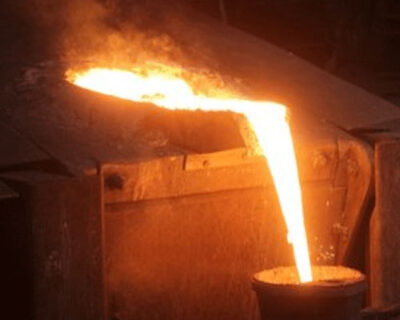
Refining for Aluminum Alloy

Refining for aluminum alloy flat ingot: (1) The proportioning ratio of electrolytic aluminum liquid should be controlled. The temperature of molten aluminum in the electrolytic cell is about 930 ℃. After being sucked out by vacuum ladle and transported to the foundry workshop, the temperature of molten aluminum remains at 860 ℃ ~ 900 ℃ […]

22Jul 2020
Aluminum Melt Degassing and Refining

“Degassing” generally refers to the removal of gases from alloys, and “refining” refers to the removal of inclusions in alloys. The purpose of aluminum melt degassing and refining is to remove or reduce oxide inclusions and gases as far as possible, so as to improve the degree of metal purification. Therefore, aluminum melt degassing and […]

20Jul 2020
Refining Process for Aluminum Alloy

After the aluminum alloy is completely smelted, there are many scum on the surface, mainly Al2O3 and other oxides. These small slag inclusions are heavier than molten aluminum, but have a lighter specific gravity after agglomeration. They float on the surface and need the Refining Process for Aluminum Alloy. The amount of slag cleaning agent […]

18Jul 2020
Impurities Removal in Aluminum Alloy

For non-metallic inclusions, the use of gas refining methods can be effectively removed. For the more demanding materials, the CFF filtration method is best way for impurities removal in aluminum alloy by mechanical filtration through the molten aluminum layer. For metal impurities, the general treatment method is to turn harmful factors into favorable factors. That […]

18Jul 2020
Modification Treatment Technology

The silicon phase in the aluminum-silicon alloy eutectic will grow into flakes under spontaneous growth conditions, and even thick polygonal plate-like silicon phases appear. These forms of silicon phase will severely cleave the Al matrix, causing stress concentration at the tips and edges of the Si phase, and the alloy is likely to follow the […]

18Jul 2020
Aluminum Alloy Modification Process

The aluminum alloy modification process factors are: modification temperature, modification time, modification agent type, and dosage. Metamorphic Temperature Higher temperature is beneficial to the Aluminum Alloy Modification Process, the recovery rate of sodium is high, the modification rate is fast, and the effect is good. But the metamorphic temperature should not be too high, too […]

18Jul 2020
Aluminum Alloy Shrinkage

Aluminum alloy shrinkage often occurs in the thick parts of castings, or at the intersection of thick and thin. Sometimes the surface of the casting is whitish, in fact, it is shrinkage. Reasons for Aluminum Alloy Defect Shrinkage Insufficient casting shrinkage during the crystallization process; The position of the introduced alloy liquid is wrong; The […]

16Jul 2020
Refining Process of Molten Aluminum

After the adjustment of the molten metal composition is completed, the next step is the refining process of molten aluminum. The purpose of aluminum alloy refining is to obtain high cleanliness and low gas content alloy liquid after taking degassing and impurity removal measures. There are several methods for refining: Add chloride (ZnCl2, MnCl2, AlCl3, […]

16Jul 2020
Aluminum Scrap Recycling

In some regions, the aluminum scrap recycling process plays a very special role. These regions include Europe, North America, and Japan, where a high percentage of aluminum scrap is recovered from end-of-life products. Mature recycling areas include refineries and smelters. The refinery produces cast alloys and deoxidized aluminum, which are derived from aluminum scrap of […]