Blog - Page 23 of 73 - Tap Out Cone,Refining Flux,Ceramic Foam Filter,Aluminum Cast Materials

Blog

05Aug 2021
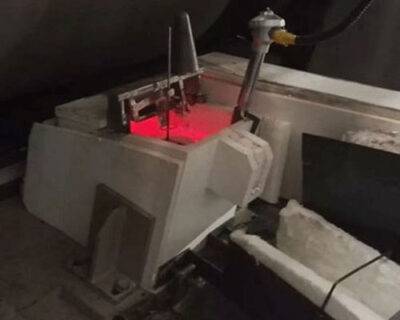
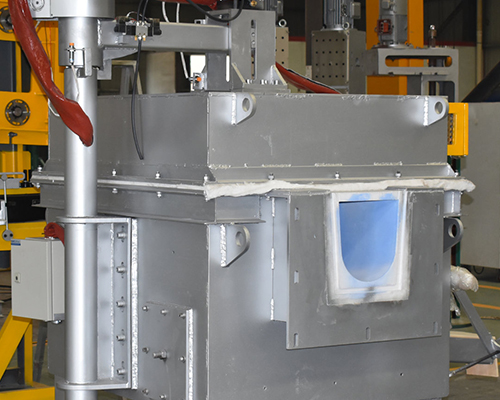
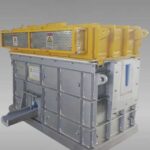
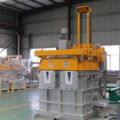
Online Rotary Degassing

Online rotary degassing is necessary for all molten metal production. At the aluminum melting temperature (700°C and above), water vapor decomposes into hydrogen and oxygen. Oxygen reacts with the aluminum liquid to form alumina, and the hydrogen (H) decomposes into hydrogen atoms (H) and dissolves into the aluminum liquid. Therefore, it is inevitable to dissolve […]
05Aug 2021
Aluminum Alloy Degassing Purification

Aluminum alloy degassing purification is a basic step in the production of aluminum alloy. It can reduce the hydrogen melted in the solid metal, improve the purity of the metal by reducing impurities, and reduce the alkali metal content in the final alloy to obtain purer aluminum liquid. Aluminum Alloy Degassing Purification are achieved by […]

05Aug 2021
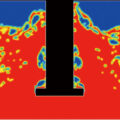
Rotary Degassing Method

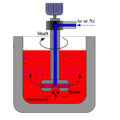
Rotary degassing method is currently the most widely used method of degassing and purifying molten aluminum. AdTech online degassing unit adopts this degassing method for molten aluminum purification. The principle of the rotary degassing method is to pass inert gas or active gas insoluble in the molten aluminum into the molten aluminum, or add chlorine […]

31Jul 2021
Casting and Rolling Aluminum Alloy

The high-throughput continuous casting and rolling aluminum alloy production process use electrolytic aluminum liquid to directly equip the alloy solution. Then it passes through a double-strip continuous casting machine and a hot triple-rolling mill. It can be directly formed into blanks of 2mm-8mm, and the flow volume of the melt can reach 50th. However, there […]

31Jul 2021
Secondary Aluminum Smelting

In terms of secondary aluminum smelting technology, the commonly used degassing method is to spray gas into the aluminum alloy liquid, and use the principle of partial pressure to diffuse the hydrogen in the alloy liquid to the bubbles to achieve the purpose of degassing. In addition to spray guns, porous refractory bricks, and rotating […]

30Jul 2021
Aluminum Alloy Filtration Technology

Aluminum alloy filtration technology performs secondary purification before the aluminum alloy liquid enters the molding compound. The degassing and slag removal capabilities are very significant. This kind of filtration technology is gradually becoming mature. At present, aluminum alloy filtration technology can be successfully applied to casting production such as sand mold, metal mold casting, low […]

30Jul 2021
CFF Aluminum Filtration

In the aluminum recovery process, CFF ceramic foam filter aluminum filtration is the last purification process close to smelting and casting. Previously, the furnace was refining, lifting, and degassing outside the furnace. Although 60% to 80% of the inclusions and gases have been removed, the finer impurities are still dispersed in the melt, and new […]

29Jul 2021
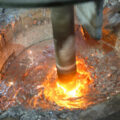
Aluminum Melting Refining

After aluminum melting refining in the static furnace for 30 minutes, the bubbles generated by the refining in the melt will carry hydrogen that diffuses into the bubbles and the oxidized slag adhered to the surface during the rising stage of the bubbles overflows the liquid surface. For low-grade products that are generally required, When […]

29Jul 2021
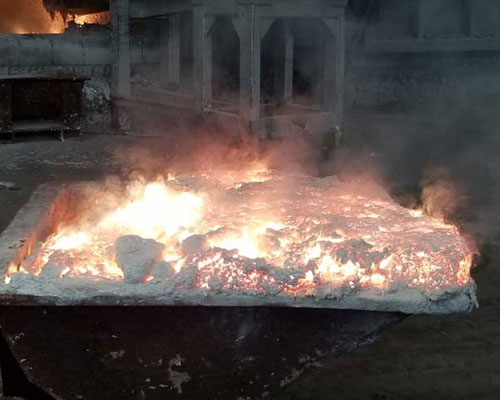
Smelting of Scrap Aluminum

The smelting of scrap aluminum is usually carried out under the condition of covering flux. The flux can not only protect the metal aluminum from oxidation, but also adsorb the formed oxides to remove these oxides from the aluminum alloy. There are certain requirements for the aluminum smelting flux, that is, the melting point is […]

16Jul 2021
How to Prevent Secondary Pollution

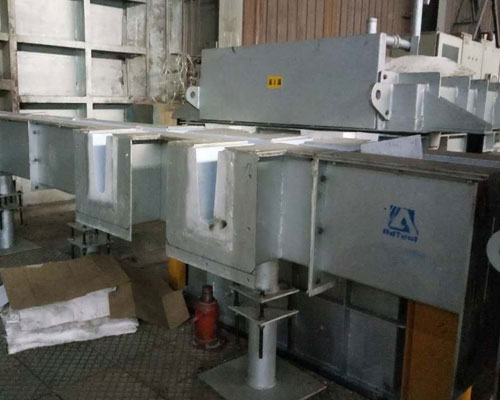
How to Prevent Secondary Pollution? The longer the casting launder, the greater the probability and degree of secondary pollution. In theory, the purity of aluminum alloy melt should reach a higher level after refining in the furnace and online degassing and slagging. However, the actual results are often not ideal. One of the important reasons […]