Blog - Page 38 of 73 - Tap Out Cone,Refining Flux,Ceramic Foam Filter,Aluminum Cast Materials

Blog

30Dec 2020
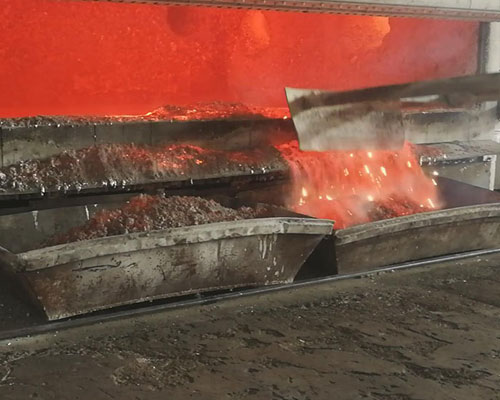
Metal Refining

Commercially used aluminum metal comes from two sources: either pure aluminum extracted from alumina (called primary aluminum), or metal obtained through the recycling of scrap from many sources (called secondary aluminum). In both cases, the metal refining is necessary before it can be used for manufacturing purposes. Oxides form scum, hydrogen is dissolved in metal, […]
30Dec 2020
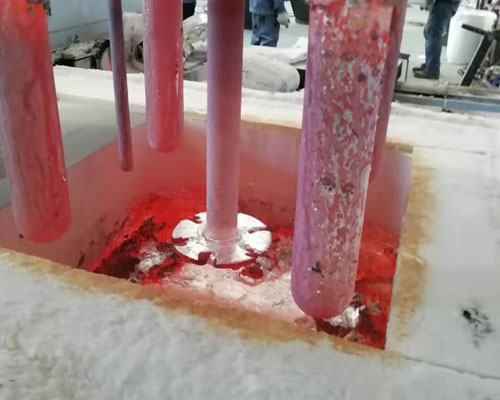
Rotary Degassing for Foundry

Rotary degassing is the most commonly melting treatment method for the foundry, which can effectively reduce metal inclusions and solute hydrogen content. This degassing process is usually used in combination with flux, so that inclusions can be removed more effectively during melt processing. No matter which casting method is used in the manufacturing process of […]

29Dec 2020
Porous Foam Ceramics

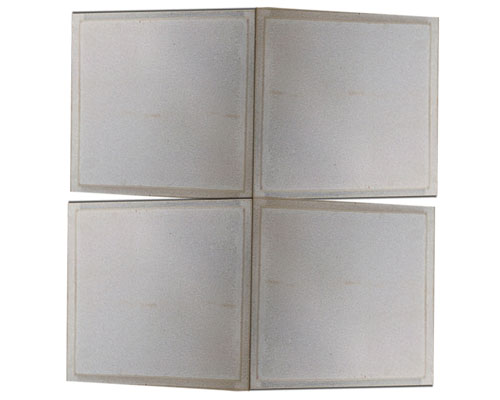
As a new type of porous material, foam ceramics have properties such as strength and hardness, good plastic toughness, corrosion resistance and high-temperature resistance. Ceramic foam filter is made of porous foam ceramics material, it has good mechanical properties and applications, and has achieved good economic benefits in molten metal filtration. Porous foam ceramics have […]

28Dec 2020
How to Control Inclusion

In the production of cast rods, there are defects such as inclusions, segregation, cracks, pores, and porosity. The more serious defects are inclusions, cracks and feather-like crystals. Therefore, under the existing equipment conditions, how to make the quality inclusion defects of the products get effective control is the key to aluminum alloy casting production. Causes […]

28Dec 2020
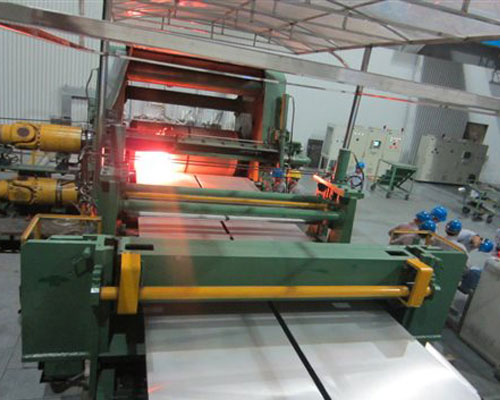
Molten Metal Processing

Depending on the use of the final product, the level of cleanliness of the molten metal is different. The thinner the final product is required (easy-open cans, heat sinks, etc.), or the higher the surface quality requirements of high-precision strip foil (PS plate base, mirror decorative board, etc.), the higher the requirements for the cleanliness […]

25Dec 2020
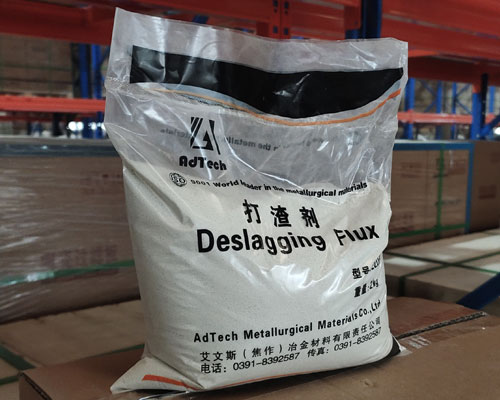
Salt Flux

The salt flux for aluminum alloy is generally composed of chlorides and fluorides of alkali metals and alkaline earth metals, and its main components are KCl, NaCl, Na3A1F6, Na2SiF6, etc. The physical and chemical properties of the flux (melting point, density, viscosity, volatility, hygroscopicity, and interface with oxides, etc.) play a decisive role in the […]

25Dec 2020
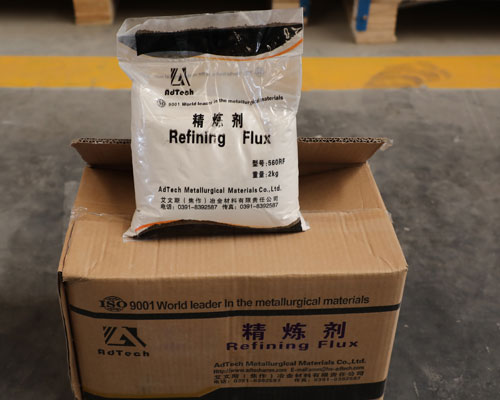
Refining Agent Production Methods

According to its development process and characteristics, the refining agent production methods are divided into melting method, drying mixing method, and comprehensive mixing method. Drying and Mixing Method Drying and mixing method can produce non-toxic refining flux, the main component of non-toxic refining flux is NaNO3+C (graphite), and then adding an appropriate amount of refractory […]

25Dec 2020
Refining Agent Processing

According to its development process and characteristics, the production methods of refining agent processing are divided into fusion method, drying mixing method and comprehensive mixing method. Fusion Method The fusion method is to perform high-temperature dehydration and high-temperature melting treatments with high melting point (for aluminum alloy) inorganic salts according to the low eutectic point […]

23Dec 2020
Molten Aluminum Filter Filtration

Molten aluminum filter filtration is the most effective way to remove non-metallic slag in molten aluminum. In the casting of 6063 aluminum alloy, multi-layer glass cloth or ceramic foam filter plates are usually used for filtration. In order to ensure that the molten aluminum can be filtered normally, the molten aluminum should be removed from […]

23Dec 2020
Ceramic Foam Filtration for Casting

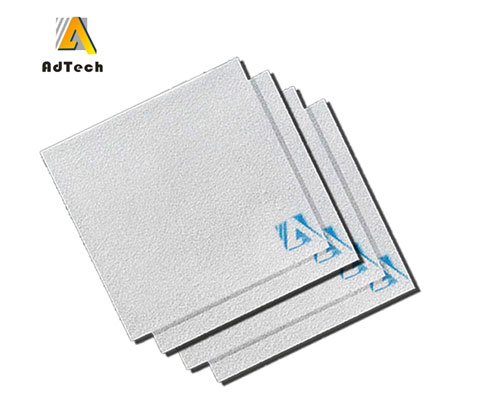
Ceramic foam filtration for casting is considered a major breakthrough in the aluminum industry and is widely used in semi-continuous casting and continuous casting. The filtering function of ceramic foam filters has been widely used in most aluminum foundries. In the smelting process of aluminum alloy, non-metallic inclusions are produced due to the unclean material […]