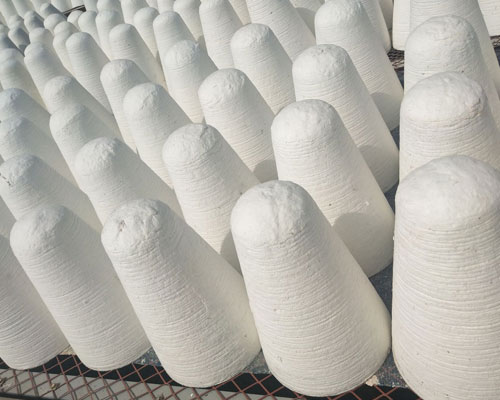
Aluminum tap cones are refractory plugging components made from high-grade aluminum silicate fibers, vacuum-formed to seal and insulate tap holes on aluminum smelting furnaces, refining furnaces, and static holding furnaces. They withstand continuous service temperatures above 1100 °C, produce no smoke during use, and maintain dimensional stability over long storage periods. Choosing the right tap cone directly affects casting safety, metal purity, and furnace turnaround time.
Aluminum Tap Cones
If your project requires the use of Aluminum Tap Cones, you can contact us for a free quote.
What Are Aluminum Tap Cones and How Do They Work?
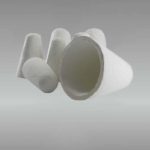
An aluminum tap cone — also called a tap-out cone, ceramic fiber plug, or furnace tap hole cone — is a precision-machined refractory insert designed to seal the tap hole of an aluminum furnace between pours. When the operator is ready to cast, the cone is removed (or pushed through), allowing molten aluminum to flow into the launder or casting system. Once tapping is complete, a fresh cone is inserted to reseal the opening.
The basic operating principle is simple, but the engineering behind it matters. A good aluminum tap cone must:
- Resist direct contact with molten aluminum at temperatures ranging from 660 °C to over 1100 °C.
- Maintain a tight, leak-free seal under the static head pressure of a full furnace.
- Release cleanly from the tap hole without fragmenting or contaminating the melt.
- Produce zero smoke and minimal outgassing — critical in primary and secondary smelters where metal purity standards are strict.
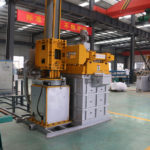
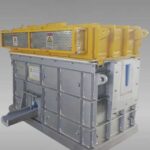
Modern aluminum tap cones are manufactured by blending high-purity ceramic fibers (typically aluminum silicate fiber with Al₂O₃ content between 45 % and 52 %) with a small proportion of organic binders. The mixture is formed using vacuum dehydration equipment, dried under controlled conditions, and then precision-machined to final dimensions. This process yields a product with excellent mechanical strength, tight tolerances, and strong corrosion resistance against molten aluminum and flux.
Why Do Aluminum Smelters Use Ceramic Fiber Tap Cones?
Before vacuum-formed ceramic fiber plugs became industry standard, many smelters relied on clay-based or graphite tap hole stoppers. Those older solutions had well-known drawbacks: clay plugs could crack under thermal shock, graphite picks up carbon into the melt, and neither material offered the consistency that high-volume casting demands.
Ceramic fiber aluminum tap cones solve those problems. Here’s what sets them apart:
- Tough texture with strong wind erosion resistance — they hold up in the aggressive environment around the tap hole, where radiant heat, convection currents, and occasional mechanical contact all take their toll.
- Low heat storage and low heat loss — the fine fiber matrix acts as an excellent insulator. The tap hole stays hot enough to prevent freeze-ups, but the cone itself doesn’t absorb and waste energy from the furnace.
- White appearance, free of sand and particulates — no risk of introducing foreign inclusions into the aluminum stream.
- High hardness and stable performance — they will not soften or degrade after long-term storage in a warehouse, even in humid conditions.
- Smokeless operation — organic binder levels are kept low enough that combustion products are negligible, which matters for workplace air quality and compliance with emissions standards such as those outlined by the U.S. EPA National Emission Standards for Hazardous Air Pollutants (NESHAP) for Primary Aluminum Reduction Plants.
These properties make ceramic fiber tap cones suitable for aluminum melting furnaces, refining furnaces, static furnaces, and dedicated tapping furnaces used across the primary and secondary aluminum industries.
Alu Tap Cones
What Specifications Should You Look for in Aluminum Tap Cones?
Not every tap cone is interchangeable. Dimensions, density, chemical composition, and thermal ratings all need to match your specific furnace design and operating conditions. The table below outlines typical specifications for vacuum-formed aluminum silicate fiber tap cones.
| Property | Typical Value | Test Standard |
|---|---|---|
| Classification Temperature | 1100 °C – 1260 °C | ISO 2245 / ASTM C892 |
| Al₂O₃ Content | 45 % – 52 % | Chemical analysis |
| Bulk Density | 0.4 – 0.6 g/cm³ | ASTM C134 |
| Compressive Strength | ≥ 0.5 MPa | ASTM C133 |
| Permanent Linear Shrinkage (24 h @ 1000 °C) | ≤ 2 % | ASTM C210 |
| Thermal Conductivity (600 °C mean) | 0.12 – 0.18 W/m·K | ASTM C201 |
| Loss on Ignition | ≤ 5 % | — |
Specifications may vary by manufacturer; always confirm that the tap cone grade matches your furnace’s maximum operating temperature and tap hole geometry.
How Does Density Affect Tap Cone Performance?
A denser cone (closer to 0.6 g/cm³) offers higher compressive strength and better resistance to erosion from flowing metal, but it insulates slightly less effectively. A lighter cone (around 0.4 g/cm³) provides superior thermal insulation but may not hold up as well under repeated mechanical insertion. Most aluminum smelters settle on a mid-range density that balances strength and insulation — typically around 0.5 g/cm³.
What Sizes Are Available for Aluminum Tap Out Cones?
Tap hole diameters vary widely across furnace types — from small tilting furnaces in secondary recycling plants to massive potline holding furnaces in primary smelters. Aluminum tap cones are manufactured in a range of standard sizes, and most suppliers also offer custom dimensions machined to your drawings.
| Cone Designation | Top Diameter (mm) | Bottom Diameter (mm) | Length (mm) | Typical Application |
|---|---|---|---|---|
| Small | 30 – 45 | 20 – 30 | 80 – 120 | Tilting furnaces, small melters |
| Medium | 45 – 70 | 30 – 50 | 120 – 180 | Reverberatory furnaces, holders |
| Large | 70 – 100 | 50 – 70 | 180 – 250 | Static furnaces, large smelters |
| Custom / Oversize | Per drawing | Per drawing | Per drawing | Specialty or legacy furnace designs |
When ordering, always measure the actual tap hole taper — a mismatch of even 2–3 mm can result in leaks or difficult removal.
Getting the taper angle right is just as important as the diameter. A cone that’s too steep won’t seat fully; one that’s too shallow can wedge in and become extremely difficult to extract. Experienced operators know this from hard-won shop-floor lessons.
Where Are Aluminum Tap Cones Used Beyond the Tap Hole?
While their primary role is sealing tap holes on aluminum furnaces, vacuum-formed ceramic fiber shapes — including plugs, cones, and custom gaskets — find use in several related applications across metallurgical and industrial settings:
- Industrial furnace observation holes — ceramic fiber plugs seal viewing ports and can be quickly removed for temperature checks or visual inspection of the melt.
- Thermometer and thermocouple insertion holes — precision-bored plugs protect instrumentation openings when probes are not in use.
- Furnace burner blocks and door seals — shaped ceramic fiber pieces insulate around burners and seal furnace doors against heat loss.
- Non-ferrous metal melting channel and launder linings — vacuum-formed sections can line short transfer channels.
- Casting lid openings — plugs and covers maintain temperature in casting molds and distribution systems.
- Electrical and mechanical equipment connection gaskets — high-temperature gaskets prevent heat migration into structural components.
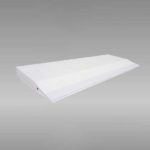
If your facility uses ceramic fiber blankets or ceramic fiber boards for furnace lining, adding matched tap cones from the same material family ensures chemical compatibility and consistent thermal behavior across the entire furnace envelope.
How Are Aluminum Tap Cones Manufactured?
The manufacturing process for high-quality aluminum tap cones involves several carefully controlled stages. Understanding these steps helps buyers evaluate supplier capability and product consistency.
1. Raw Material Preparation
High-purity aluminum silicate ceramic fiber — typically produced by blowing or spinning a melt of alumina and silica — is blended with controlled amounts of inorganic fillers and a small percentage of organic binder (usually a cellulose-based or PVA-type adhesive). The binder provides green strength during forming but burns out cleanly at service temperature.
2. Vacuum Forming
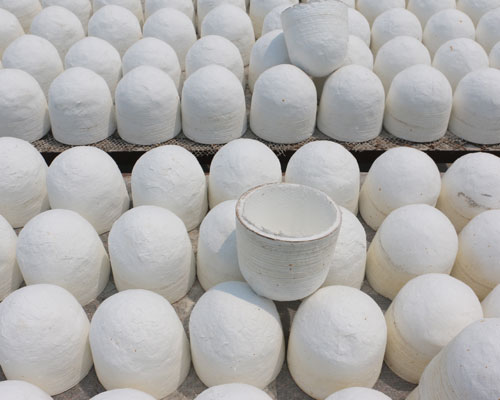
The fiber slurry is introduced into a mold, and vacuum is applied from behind a perforated screen. Water is drawn out, and the fibers compact against the mold surface, building up wall thickness layer by layer. This method produces parts with uniform density and fiber orientation — both critical for mechanical integrity.
3. Drying
Formed parts are dried in temperature- and humidity-controlled ovens. Controlled drying prevents cracking and warping, which would ruin the tight dimensional tolerances required for a reliable tap hole seal.
4. Precision Machining
After drying, each cone is machined on CNC or manual lathes to final dimensions. Surface finish is important: a smooth outer surface ensures good contact with the tap hole lining, while a slightly textured inner bore can improve grip for extraction tools.
5. Inspection and Packaging
Finished aluminum tap cones are inspected for dimensional accuracy, surface defects, density uniformity, and compressive strength. They’re packed to prevent moisture pickup and physical damage during shipping.
| Process Stage | Key Control Parameter | Impact on Final Product |
|---|---|---|
| Fiber blending | Al₂O₃/SiO₂ ratio, binder percentage | Chemical resistance, burnout behavior |
| Vacuum forming | Vacuum pressure, slurry consistency | Density uniformity, wall thickness |
| Drying | Temperature ramp, humidity | Dimensional accuracy, crack prevention |
| Machining | CNC tolerances (typically ± 0.5 mm) | Tap hole fit, seal reliability |
Consistent process control at every stage is what separates a tap cone that performs reliably from one that cracks, leaks, or contaminates the melt.
Aluminum Tap Cones
How to Choose a Reliable Aluminum Tap Cone Supplier?
The aluminum tap cone market includes dozens of manufacturers, but quality varies enormously. Here are practical criteria that purchasing managers and foundry engineers should evaluate:
Experience in the aluminum industry. A supplier with more than a decade of production history — and established relationships with well-known aluminum producers — has likely solved the common failure modes already. Our company, for example, has maintained long-term partnerships with major domestic aluminum manufacturers for over ten years, with products also exported to South Korea, Vietnam, and other markets across Asia.
Material traceability. Can the supplier provide certificates of analysis for raw fiber and binder materials? Traceability matters if you ever need to investigate a quality issue downstream.
Dimensional consistency. Ask for Cpk data or at minimum sample measurement reports. A tap cone that’s 1 mm oversize won’t seat properly; one that’s 1 mm undersize will leak.
Minimum order flexibility. Smelters running multiple furnace types may need three or four different cone sizes. A good supplier accommodates mixed orders without punitive minimum quantities.
Technical support. The best suppliers don’t just sell a product — they help you optimize tap hole design, cone selection, and replacement schedules. That kind of partnership reduces your total cost of ownership.
What Common Problems Occur with Aluminum Tap Cones?
Even well-made tap cones can underperform if they’re misapplied or mishandled. Here are the issues we see most often, along with practical fixes:
Why Does My Tap Cone Crack During Insertion?
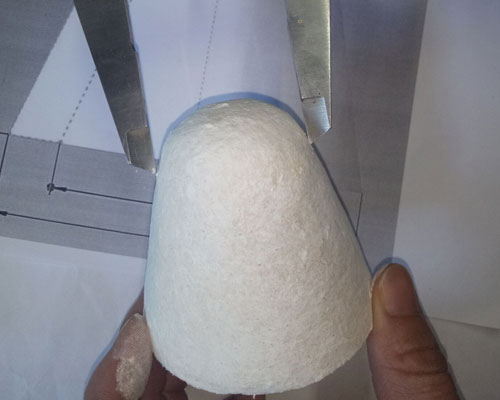
Cracking usually results from one of two causes: the cone is too large for the tap hole (forcing it in creates hoop stress that exceeds the material’s compressive strength), or the cone has absorbed moisture during storage. Always store aluminum tap cones in dry conditions, ideally in sealed packaging until use. Verify dimensions before insertion — a quick caliper check takes seconds and can prevent a costly leak.
Why Is There Smoke When the Tap Cone Contacts Molten Aluminum?
A small amount of smoke during initial contact is normal as the organic binder burns off. Excessive smoke indicates either an unusually high binder content (suggesting a lower-grade product) or contamination from oils, lubricants, or packaging materials. Switch to a supplier whose loss on ignition is verified below 5 %, and handle cones with clean gloves.
Why Does the Cone Soften or Deform in Storage?
High-quality vacuum-formed ceramic fiber tap cones should remain dimensionally stable indefinitely in normal warehouse conditions. Softening typically indicates that the product was under-dried during manufacturing or has absorbed significant moisture. If you’re experiencing this issue, request that your supplier provide dried-weight certifications with each shipment.
How Do Aluminum Tap Cones Compare to Other Tap Hole Sealing Methods?
| Sealing Method | Temperature Rating | Reusability | Melt Contamination Risk | Relative Cost |
|---|---|---|---|---|
| Ceramic fiber tap cone | 1100 – 1260 °C | Single use | Very low | Low–Medium |
| Clay-bonded plug | 900 – 1100 °C | Single use | Moderate (sand inclusions) | Low |
| Graphite stopper rod | 1200 °C+ | Multiple uses | Moderate (carbon pickup) | High |
| Mechanical slide gate | 1300 °C+ | Thousands of cycles | Very low | Very high (capital cost) |
For most aluminum casting operations, ceramic fiber tap cones offer the best balance of cost, cleanliness, and ease of use — particularly in facilities running batch furnaces where the capital expense of slide gates isn’t justified.
Slide gate systems, as described in references from organizations like The Aluminum Association, make economic sense at very high throughput, but they require significant maintenance infrastructure. For the vast majority of aluminum melters and holders worldwide, the disposable ceramic fiber tap cone remains the workhorse solution.
Tips for Getting the Most Out of Your Aluminum Tap Cones
A few practical habits can extend cone life, improve safety, and reduce waste:
- Pre-heat when possible. Placing the cone near the furnace shell for 10–15 minutes before insertion reduces thermal shock and moisture content simultaneously.
- Use the right extraction tool. A purpose-built tap hole lance or pick — not an improvised bar — reduces the chance of breaking the cone inside the tap hole.
- Inspect the tap hole lining regularly. A worn or eroded tap hole changes the effective diameter and taper. If you’re going through cones faster than expected, the lining may need repair. Consider pairing tap cone replacement with routine furnace lining maintenance using compatible ceramic fiber materials.
- Track usage per heat. Simple data logging — how many cones per furnace per week, any leaks or failures — builds a baseline that helps you spot quality issues early, whether the problem is the cone, the tap hole, or operator technique.
- Rotate stock. First-in, first-out inventory management prevents cones from sitting in a humid warehouse for months and absorbing moisture.
Partner with a Proven Aluminum Tap Cone Manufacturer
Our company specializes in refractory ceramic fiber products for the metallurgical casting industry. The ceramic fiber plug and tap cone series we produce are engineered specifically for aluminum smelting applications — from small recycling melters to large-scale primary smelters.
With over a decade of manufacturing experience and proven supply relationships spanning domestic aluminum producers as well as customers in South Korea and Vietnam, we bring both product reliability and application knowledge to every order. Whether you need standard sizes or custom-machined aluminum tap cones to fit a legacy furnace, we have the vacuum forming capacity, precision machining capability, and quality systems to deliver consistently.
To discuss your tap cone requirements — including dimensions, quantities, and delivery schedules — contact our technical sales team or explore our full range of vacuum-formed ceramic fiber shapes for industrial furnace applications.
FAQ
1. What is an aluminum tap cone?
An aluminum tap cone is a vacuum-formed ceramic fiber plug used to seal the tap hole on aluminum melting, refining, and holding furnaces. It prevents molten metal leakage between pours and insulates the tap opening during the casting cycle.
2. What material are aluminum tap cones made from?
They are made from high-purity aluminum silicate ceramic fiber (45 %–52 % Al₂O₃) blended with a small amount of organic binder, vacuum-formed and precision-machined to tight tolerances.
3. What temperature can aluminum tap cones withstand?
Most standard aluminum tap cones are rated for continuous service between 1100 °C and 1260 °C, well above the 660 °C melting point of aluminum.
4. Are aluminum tap cones reusable?
No. Aluminum tap cones are single-use consumables. After one tapping cycle the fiber structure degrades and the cone cannot form a reliable seal a second time.
5. Do aluminum tap cones produce smoke?
High-quality cones with loss on ignition below 5 % produce negligible smoke. Any trace fume comes from the organic binder burning off on first contact with molten metal and dissipates within seconds.
6. What sizes do aluminum tap cones come in?
Standard top diameters range from 30 mm to 100 mm, with lengths from 80 mm to 250 mm. Custom dimensions can be machined to match any furnace tap hole geometry.
7. How should I store aluminum tap cones?
Store them in sealed packaging in a dry, indoor environment. Moisture absorption can reduce compressive strength and cause cracking during insertion into a hot tap hole.
8. Why does my aluminum tap cone crack during insertion?
The two most common causes are an oversized cone forced into the tap hole and moisture absorption during storage. Always verify dimensions with a caliper and keep cones dry until use.
9. Can aluminum tap cones contaminate the melt?
No. Quality ceramic fiber tap cones are white, sand-free, and chemically inert to molten aluminum. They do not introduce carbon,ite, or particulate inclusions into the metal stream.
10. What is the difference between an aluminum tap cone and a clay tap hole plug?
Clay plugs are heavier, prone to thermal shock cracking, and can shed sand particles into the melt. Ceramic fiber tap cones are lighter, dimensionally stable, smokeless, and present virtually zero contamination risk.
Related posts:
 Ceramic Fiber Cones
 Refractory Fiber Cones
 Tapout Cones
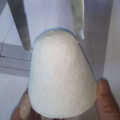 Alu Tap Cones
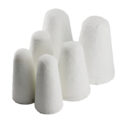 Furnace Tapout Cone
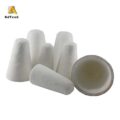 Tap Out Cone for Aluminium Smelter
 Ceramic Fiber Cone
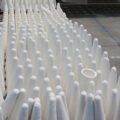 Vacuum Refractory Shapes
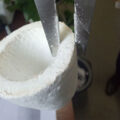 Vacuum Formed Refractory Shapes
 Ceramic Fiber Tap Out Cone
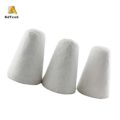 Refractory Tap Out Cone
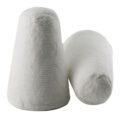 Ceramic Fiber Refractory Plugs
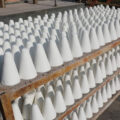 Aluminum Silicate Plug Cone
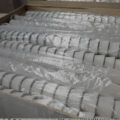 Ceramic Fiber Special Shaped
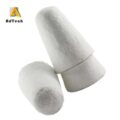 Ceramic Fiber Plugs