Blog - Page 38 of 73 - Tap Out Cone,Refining Flux,Ceramic Foam Filter,Aluminum Cast Materials

Blog

25Dec 2020
Salt Flux

The salt flux for aluminum alloy is generally composed of chlorides and fluorides of alkali metals and alkaline earth metals, and its main components are KCl, NaCl, Na3A1F6, Na2SiF6, etc. The physical and chemical properties of the flux (melting point, density, viscosity, volatility, hygroscopicity, and interface with oxides, etc.) play a decisive role in the […]
25Dec 2020
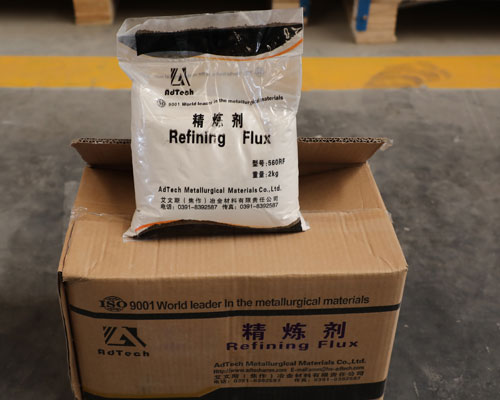
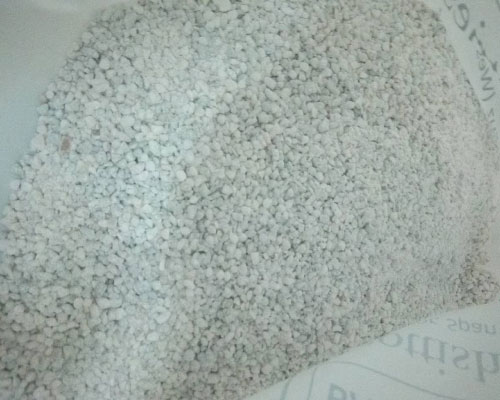
Refining Agent Production Methods

According to its development process and characteristics, the refining agent production methods are divided into melting method, drying mixing method, and comprehensive mixing method. Drying and Mixing Method Drying and mixing method can produce non-toxic refining flux, the main component of non-toxic refining flux is NaNO3+C (graphite), and then adding an appropriate amount of refractory […]

25Dec 2020
Refining Agent Processing

According to its development process and characteristics, the production methods of refining agent processing are divided into fusion method, drying mixing method and comprehensive mixing method. Fusion Method The fusion method is to perform high-temperature dehydration and high-temperature melting treatments with high melting point (for aluminum alloy) inorganic salts according to the low eutectic point […]

23Dec 2020
Molten Aluminum Filter Filtration

Molten aluminum filter filtration is the most effective way to remove non-metallic slag in molten aluminum. In the casting of 6063 aluminum alloy, multi-layer glass cloth or ceramic foam filter plates are usually used for filtration. In order to ensure that the molten aluminum can be filtered normally, the molten aluminum should be removed from […]

23Dec 2020
Ceramic Foam Filtration for Casting

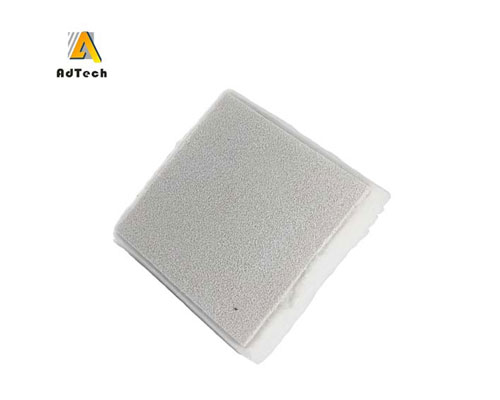
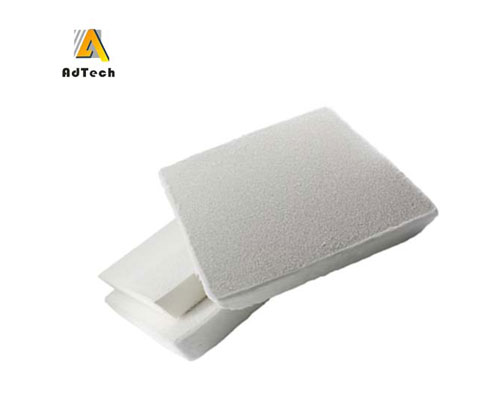
Ceramic foam filtration for casting is considered a major breakthrough in the aluminum industry and is widely used in semi-continuous casting and continuous casting. The filtering function of ceramic foam filters has been widely used in most aluminum foundries. In the smelting process of aluminum alloy, non-metallic inclusions are produced due to the unclean material […]

23Dec 2020
Degassing of Aluminum Alloy Casting

The degassing of aluminum alloy casting is very important for obtaining high-quality aluminum products. After the homogenization heat treatment of the aluminum alloy ingot, blister surface bubbles are sometimes formed on the surface. The surface of the aluminum alloy casting appears as scattered protrusions, and the protrusions are cavities. Through magnification, the inner wall of […]

21Dec 2020
Metals Degassing

Metals degassing is used to treat molten metal to effectively remove undesirable inclusions such as gases, alkali metals, and entrained solids. When many molten metals are used in casting and similar processes, they must be initially treated to remove harmful components that may adversely affect the physical or chemical properties of the resulting cast product. […]

18Dec 2020
Molten Metal Degassing

On-line molten metal degassing is usually accomplished by blowing an inert gas containing a certain percentage of chlorine (Cl2) gas. Chlorine forms small bubbles in molten metal. Degassing is usually carried out in a continuous operation before casting, which itself can be carried out continuously. A mixture of inert gas and Cl2 (chlorine) is injected […]

18Dec 2020
Filtration of Molten Aluminum

The filtration ability of the filter to remove inclusions from molten aluminum mainly depends on the roughness of the openings formed in the aggregated mesh member and the configuration of the mesh member. Therefore, particularly in order to remove fine inclusion particles of about 10 to 25 μm, the aggregated mesh member needs to have […]

18Dec 2020
Molten Aluminum Filtration Method

According to the molten aluminum filtration method, the molten aluminum is passed through a ceramic foam filter to remove inclusions therein. The ceramic foam filter used to melt Al can remove fine inclusion particles of about 10 to 25 μm, which account for most of the inclusions, thereby obtaining high-quality aluminum alloy. At the same […]