What Is a Ceramic Fiber Insulation Blanket and What Makes It Different from Traditional Refractory?
A ceramic fiber insulation blanket is a flexible, lightweight refractory product manufactured by collecting molten ceramic fibers — typically alumina-silicate compositions — into a continuous blanket form using a wet or dry process. The resulting material has a density far below that of firebrick or castable refractory, a thermal conductivity that’s a fraction of traditional materials, and a flexibility that lets it conform to curved and irregular surfaces without cutting or cracking.
The difference becomes obvious the first time you handle both materials side by side. A standard firebrick weighs roughly 3–4 kg per unit and requires mortar, curing, and significant structural support. A meter of ceramic fiber insulation blanket at 128 kg/m³ bulk density weighs about the same as a thick blanket from your linen closet. You can cut it with a utility knife, fold it around corners, and have it installed and performing in a fraction of the time.
But the real advantage isn’t installation convenience — it’s thermal mass. Traditional refractory absorbs enormous amounts of heat during furnace heat-up, heat that has to be re-supplied from your burner system every single cycle. Ceramic fiber blanket has such low thermal mass that it stores almost none of that energy. The furnace reaches operating temperature faster, uses less fuel to get there, and cools down faster at the end of the cycle. For any operation running intermittent heat cycles, this is where ceramic fiber insulation pays for itself.
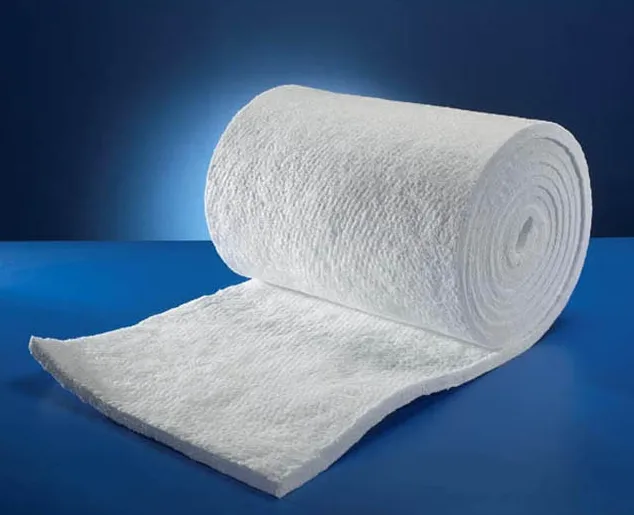
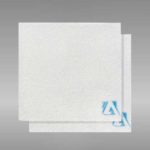
ceramic fiber blanket
What Temperatures Can Ceramic Fiber Insulation Blankets Handle?
This is almost always the first technical question, and the answer depends on which grade you’re specifying. Ceramic fiber blankets are classified by their maximum continuous service temperature, and selecting the wrong grade is one of the most common — and costly — mistakes we see.
| Grade | Max Service Temperature | Alumina Content (%) | Typical Applications | Color Coding (AdTech) |
|---|---|---|---|---|
| 1260°C Standard | 1260°C (2300°F) | 45–50% | Furnace backup insulation, kiln car decks, expansion joints | White |
| 1350°C High-Purity | 1350°C (2462°F) | 52–56% | Aluminum melting furnaces, heat treatment equipment | White/Yellow |
| 1400°C High-Alumina | 1400°C (2552°F) | 60–65% | Petrochemical heaters, glass tank crowns | Yellow |
| 1600°C Polycrystalline | 1600°C (2912°F) | 95–99% | Steel reheat furnaces, ceramic kilns, aerospace testing | White (high-density) |
Temperature classification and alumina content ranges are consistent with ASTM C892-20, “Standard Specification for High-Temperature Fiber Blanket Thermal Insulation.”
The 1260°C grade — our highest-volume product at AdTech — covers the majority of aluminum industry applications comfortably. Aluminum melts at 660°C and is typically processed at 700–760°C, which puts the working face temperature of the blanket well within the 1260°C rating with significant margin. For applications where the ceramic fiber blanket is directly exposed to flame or is used as the hot face lining rather than backup insulation, moving up to the 1350°C or 1400°C grade is the conservative choice and usually the right one.
One thing worth being clear about: the rated temperature is the maximum continuous service temperature, not a brief excursion limit. Running a 1260°C blanket at 1280°C continuously will cause progressive fiber devitrification — the amorphous fiber structure begins to crystallize — which embrittles the material and reduces its insulating performance over time. Specify the grade for your actual operating temperature, not the theoretical maximum.
How Does Ceramic Fiber Blanket Perform Compared to Other Insulation Materials?
People ask this question expecting a simple answer, and honestly, the honest answer is: it depends on what you’re optimizing for. Ceramic fiber insulation blanket wins on thermal mass, weight, installation speed, and energy efficiency in cyclic applications. It loses to dense castable refractory on abrasion resistance and to microporous panels on absolute thermal conductivity at very high temperatures. Here’s how the comparison looks in practice:
| Property | Ceramic Fiber Blanket | Dense Firebrick | Castable Refractory | Microporous Panel |
|---|---|---|---|---|
| Density (kg/m³) | 64–192 | 1800–2200 | 1600–2000 | 200–350 |
| Thermal conductivity at 1000°C (W/m·K) | 0.28–0.35 | 1.2–1.8 | 0.9–1.5 | 0.05–0.12 |
| Thermal mass (kJ/m²·°C per 25mm) | 3–8 | 180–250 | 150–220 | 4–10 |
| Installation time (relative) | Fast | Slow (mortar + cure) | Slow (pour + cure) | Moderate |
| Flexibility | Excellent | None | None | Limited |
| Abrasion resistance | Poor–Moderate | Excellent | Good | Poor |
| Max service temp (standard grades) | Up to 1600°C | Up to 1600°C | Up to 1800°C | Up to 1000°C |
Thermal conductivity and density data drawn from “Thermal Insulation Materials, Techniques and Applications,” CIBSE Knowledge Series KS06, available through the Chartered Institution of Building Services Engineers.
The thermal conductivity advantage over firebrick is substantial — roughly 4–5× better at 1000°C. That difference directly translates to either a thinner insulation system for the same heat loss, or dramatically lower heat loss with the same thickness. For aluminum foundries running continuous casting lines, this means meaningful fuel savings that compound over time.
What Are the Standard Specifications for AdTech Ceramic Fiber Insulation Blankets?
AdTech manufactures ceramic fiber insulation blankets in standard rolls that cover the most common industrial requirements. The product range is designed so that the right specification is available for virtually any high-temperature application without needing to go custom.
Standard roll dimensions are 7,200 mm × 610 mm (approximately 24 feet × 2 feet), which gives installers a practical working width without awkward seams in most furnace geometries. Thickness options run from 13 mm through to 50 mm in standard increments, with 25 mm being the most common for single-layer hot-face applications and 50 mm for backup insulation layers.
| Specification | Standard | High-Purity | High-Alumina |
|---|---|---|---|
| Classification temperature | 1260°C | 1350°C | 1400°C |
| Shot content (≤ 63µm, %) | ≤ 17 | ≤ 15 | ≤ 12 |
| Bulk density (kg/m³) | 64, 96, 128, 160 | 96, 128, 160 | 128, 160, 192 |
| Tensile strength (kPa) | ≥ 80 | ≥ 90 | ≥ 100 |
| Linear shrinkage at rated temp (%) | ≤ 3.5 | ≤ 3.0 | ≤ 2.5 |
| Available thickness (mm) | 13, 25, 38, 50 | 25, 38, 50 | 25, 38, 50 |
Shot content and shrinkage limits reflect AdTech internal product qualification standards, aligned with requirements specified in EN 1094-1:1995, “Insulating refractory products — Part 1: Sampling and methods for testing.” Standard reference available through CEN — European Committee for Standardization.
Shot content — the percentage of unfiberized particles in the blanket — is worth paying attention to when evaluating suppliers. High shot content means a lower percentage of actual fiber in the product, which reduces insulating performance and increases the risk of particle shedding. Our blankets are manufactured to keep shot content below the values in the table above, which is meaningfully better than what some commodity suppliers deliver.
Is Ceramic Fiber Insulation Blanket Safe to Handle and Install?
This is a question we appreciate being asked directly, because it deserves a direct answer rather than a buried disclaimer. Ceramic fiber blankets do shed fibers during cutting and installation. These are respirable synthetic vitreous fibers (SVF), and like many industrial materials, they require appropriate handling precautions.
The good news is that the precautions are straightforward and the materials are well characterized. Refractory ceramic fibers (RCF) have been the subject of extensive occupational health research. The International Agency for Research on Cancer (IARC) classifies them as Group 2B — possibly carcinogenic — based on animal studies, but the evidence in human populations has not established a causal link at exposure levels that occur with proper workplace controls.
Practical handling guidance:
- Wear long-sleeved clothing, gloves, and eye protection during installation. Fiber contact with skin causes temporary mechanical irritation — not a chemical burn, but uncomfortable.
- Use an appropriate particulate respirator (N95 or P100) when cutting, tearing, or working in enclosed spaces with disturbed fiber.
- Wet cutting — using a damp blade — significantly reduces airborne fiber generation and is the recommended approach for most installations.
- Dispose of waste material in sealed bags according to local regulations. In most jurisdictions, ceramic fiber waste is classified as non-hazardous, but regulations vary and should be confirmed locally.
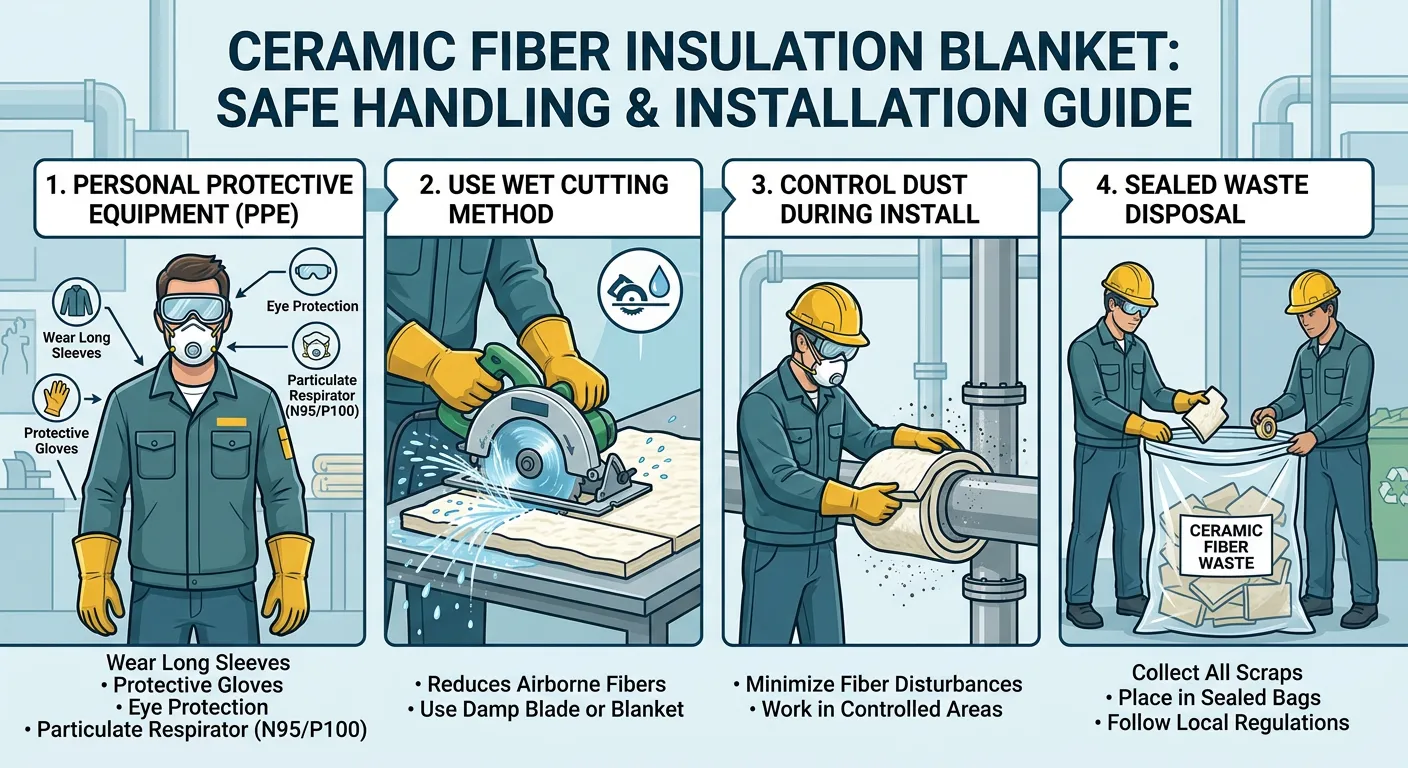
ceramic fiber insulation blanket safe handling&installation guide
Where Is Ceramic Fiber Insulation Blanket Used in Aluminum Foundries?
This is the application territory we know best, and the range is broader than most people initially expect. Within an aluminum casting facility, high-temperature ceramic fiber insulation blanket appears in:
Furnace hot face lining — The primary lining material for aluminum holding furnaces and melting furnaces, typically in 25–50 mm thickness at the 1260°C or 1350°C grade. The low thermal mass dramatically reduces furnace heat-up time from cold start.
Backup insulation behind castable — Even when the hot face is castable refractory for abrasion resistance, ceramic fiber blanket is installed behind it to reduce heat storage and improve the overall thermal efficiency of the furnace shell.
Furnace door seals and expansion joints — The flexibility of the blanket makes it ideal for sealing around door frames and accommodating thermal expansion without cracking. This is one of the most overlooked heat loss points in older furnaces.
Ladle and tundish covers — Insulating lids on transfer ladles reduce temperature loss during metal transport. A ceramic fiber blanket lined cover can reduce metal temperature drop by 30–50°C over a typical transfer time, reducing the need to superheat the melt to compensate.
Degassing unit surrounds — The equipment surrounding rotary degassing units benefits from insulation to maintain metal temperature during treatment. If you’re also looking at rotary degassing equipment for your aluminum operation , pairing it with proper thermal insulation of the surrounding ladle reduces the temperature drop during the degassing cycle.
Casting machine thermal management — In low-pressure die casting and gravity die casting, ceramic fiber blanket is used to insulate the mold preheating systems and reduce heat loss from heated tooling during production.
AdTech Real Case: Retrofitting a Coal-Fired Aluminum Melting Furnace in India
In mid-2025, a mid-scale aluminum billet casting operation in Rajkot, Gujarat — one of India’s major aluminum processing hubs — contacted AdTech looking for help with a specific problem. Their two coal-fired melting furnaces, each with approximately 5-tonne capacity, were running with original brick linings that were 11 years old. Heat-up time from cold was running at nearly 6 hours to reach pouring temperature, fuel consumption was high relative to industry benchmarks, and they were losing significant production time to unplanned maintenance as the aging brick lining cracked and spalled.
The existing setup: Both furnaces had original dense firebrick hot face linings with no backup insulation, relying entirely on the brick mass to provide thermal performance. The combined lining thickness was approximately 230 mm of firebrick. Furnace shell temperatures on the outside were running at 180–220°C — elevated enough to be uncomfortable to stand near and indicative of significant heat loss through the shell.
What we supplied:
- 480 linear meters of AdTech 1350°C High-Purity ceramic fiber insulation blanket , 128 kg/m³, 50 mm thickness — for hot face application on both furnace chambers
- 240 linear meters of 1260°C Standard ceramic fiber blanket, 96 kg/m³, 25 mm thickness — for backup layer installation behind the hot face
- Stainless steel anchoring hardware (stud welded type, 310 SS grade for high-temperature service)
- Application engineering support from two AdTech technical staff for the initial installation
The installation process:
Our engineers spent four days in Rajkot during the initial furnace reline of the first unit. The demolition of the old brickwork revealed what we’d suspected from the shell temperature readings: significant heat bridging through deteriorated mortar joints and three sections where the brick had cracked and been informally patched with refractory cement. The hot face had effectively failed across roughly 30% of the furnace interior.
The new system used a layered approach: 25 mm of 1260°C standard blanket as a backup layer against the furnace shell, followed by 50 mm of 1350°C high-purity blanket as the hot face. The blanket was installed in a staggered-joint pattern — each layer’s seams offset from the layer beneath — to eliminate direct thermal paths through the lining. Stainless steel anchors were installed at 300 mm centers using a pattern our engineers had refined over dozens of similar installations.
The second furnace was relined by the customer’s own maintenance crew three weeks later, using the method our engineers had documented during the first installation.
Results measured at 90-day review:
- Cold heat-up time reduced from 5.8 hours to 2.1 hours — a 64% reduction
- Measured furnace shell temperature dropped from 180–220°C to 55–70°C, indicating dramatically reduced heat loss through the shell
- Coal consumption per tonne of aluminum melted dropped by approximately 28% — a significant operational cost reduction given coal prices in the Indian market
- The plant reported zero unplanned maintenance interventions on the relined furnace over the 90-day period, compared to an average of 2.3 interventions per 90-day period with the old brick lining
The ROI calculation was straightforward: the fuel savings alone covered the total material and engineering cost within six months of operation. The reduction in maintenance downtime added further economic benefit that was harder to quantify precisely but clearly meaningful to the plant manager.
Since the initial project, this operation has purchased ceramic fiber insulation blanket from AdTech for two additional furnace relinings and for an ongoing supply of expansion joint material and door seal blanket. They’ve also introduced our ceramic fiber insulation blanket into their casting process — a conversation that started because the trust built during the insulation project opened the door to broader process improvement discussions.
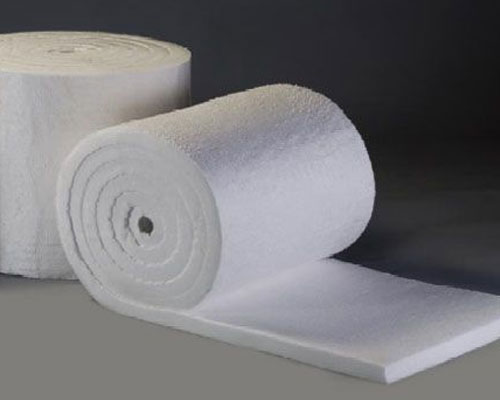
AdTech Ceramic Fiber Blanket
How Thick Should a Ceramic Fiber Insulation Blanket Be?
There’s no single right answer, but there’s a reliable methodology for getting to the right answer for your specific situation. The required thickness depends on three variables: the operating temperature, the acceptable heat loss through the lining, and whether the ceramic fiber blanket is the hot face or a backup layer.
For aluminum foundry applications with hot face temperatures up to 900°C and acceptable heat loss targets of 800–1200 W/m², 50 mm of 1260°C blanket at 128 kg/m³ is a well-established starting point that most installations land on. For more demanding applications — higher temperatures or tighter heat loss targets — a combined system of 50 mm hot face plus 25 mm backup typically achieves the required performance.
If you want to calculate precise thickness requirements, the relevant calculation involves the thermal conductivity of the blanket at mean temperature (the average of the hot face and cold face temperatures) and the target heat flux. The equation is straightforward: thickness (m) = ΔT (°C) × thermal conductivity (W/m·K) / target heat flux (W/m²). AdTech’s technical team can run this calculation for your specific operating conditions — just provide us with your hot face temperature target and your acceptable shell temperature.
What Should You Watch Out for When Buying Ceramic Fiber Insulation Blanket?
The market for ceramic fiber insulation blanket has a wide quality range, and the differences aren’t always obvious from looking at a product sheet. Here are the things that actually matter:
Shot content is the hidden quality indicator. Low shot content means more actual fiber and better insulating performance. High shot content is the primary way commodity suppliers cut costs. Ask for third-party test data, not just the supplier’s own specification sheet.
Verify the classification temperature independently. Some suppliers label products at temperatures above what they actually withstand in continuous service. Linear shrinkage at rated temperature is the key test — if a blanket labeled 1260°C shows more than 4% linear shrinkage when tested at 1260°C, it’s not genuinely a 1260°C product.
Density consistency throughout the roll matters. Uneven density creates hot spots where the insulation is thinner and heat loss is concentrated. This usually isn’t detectable by weighing a roll but shows up in thermal imaging of the furnace shell after installation.
Check the tensile strength. Blankets with adequate tensile strength stay together during handling and installation. Low tensile strength means the material tears and sheds excessively, making installation slower and messier and leaving gaps in the finished lining.
At AdTech, we provide full material certification with every shipment — third-party tested shot content, linear shrinkage at rated temperature, thermal conductivity, and bulk density. Explore our ceramic fiber insulation products or contact our technical team for a sample and data package before committing to a large order.
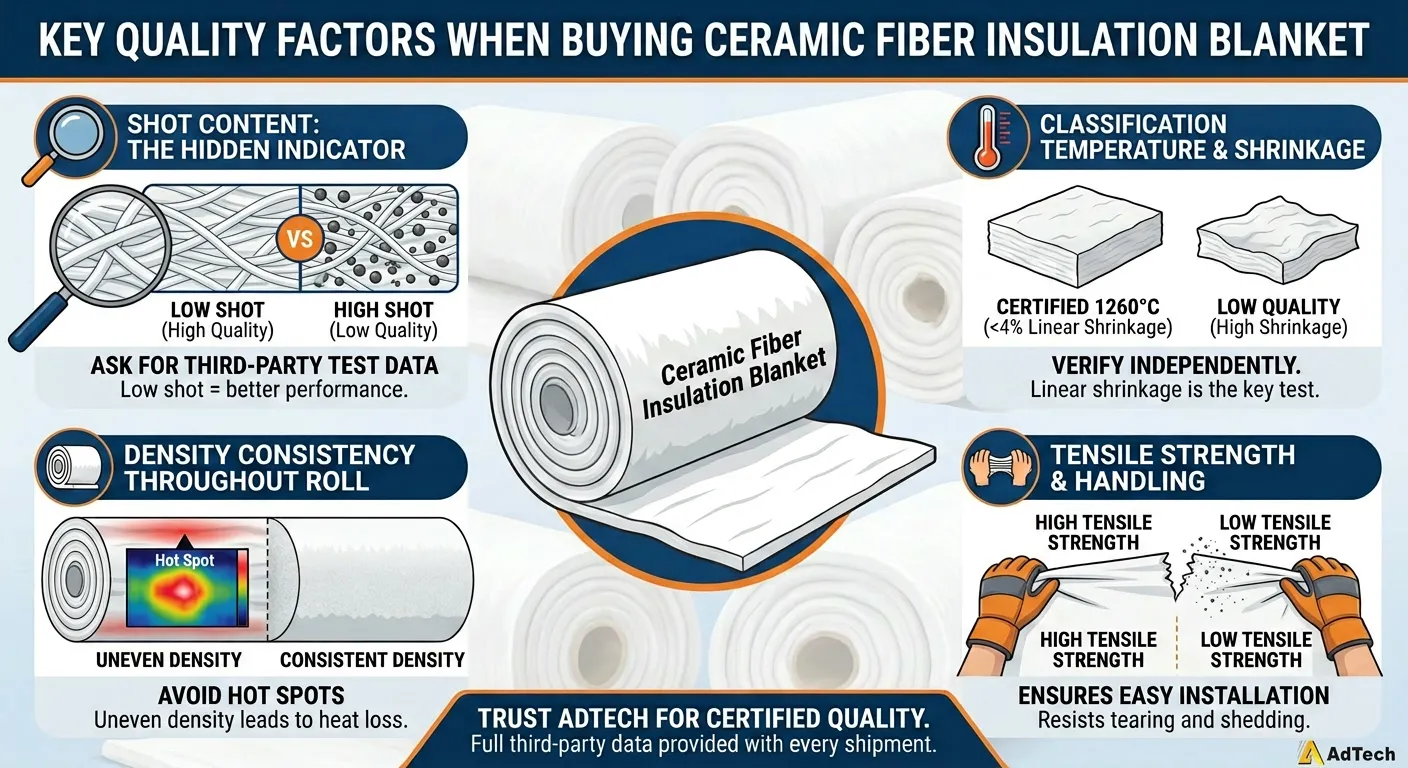
key quality factors when buying ceramic fiber insulation blanket
The Case for Getting Insulation Right the First Time
Thermal insulation is one of those areas where the upfront specification decision has consequences that play out over years, not weeks. A furnace lined with correctly specified ceramic fiber insulation blanket — right temperature grade, right density, right thickness, installed with proper anchor spacing and staggered joints — will perform consistently for years with minimal maintenance. A furnace lined with undersized or incorrectly specified material will cost more in fuel, require earlier relining, and potentially undermine the quality of the metal you’re producing by allowing temperature fluctuations that shouldn’t exist.
The investment in getting it right — including the time to specify properly and source from a supplier with verifiable product quality — is modest compared to the operational cost of getting it wrong. AdTech’s technical team is available to review your application, recommend the appropriate grade and thickness, and support your installation team through the process.
If you need assistance from adtech, click here to contact us.
FAQ
1. What is a ceramic fiber insulation blanket?
A ceramic fiber insulation blanket is a lightweight refractory insulation material used to reduce heat loss in furnaces, kilns, ovens, and other high-temperature equipment.
2. What temperature can a ceramic fiber insulation blanket withstand?
Common grades are rated for 1260°C, 1350°C, 1400°C, and up to 1600°C, depending on fiber composition and application.
3. Where is ceramic fiber insulation blanket used?
It is widely used in aluminum melting furnaces, heat treatment furnaces, kiln linings, boiler insulation, ladle covers, and expansion joints.
4. Why is ceramic fiber blanket better than traditional firebrick?
It is lighter, faster to install, lower in thermal conductivity, and much better for reducing furnace heat-up time and energy consumption.
5. What thickness of ceramic fiber blanket should I choose?
The right thickness depends on operating temperature, furnace design, and heat-loss target. Common options are 25 mm, 38 mm, and 50 mm.
6. Is ceramic fiber insulation blanket safe to handle?
Yes, but proper protection is recommended. Installers should wear gloves, long sleeves, eye protection, and a dust mask or respirator during cutting and installation.
7. Can ceramic fiber blanket be used as a hot face lining?
Yes, in many applications it can be used as a hot face lining, especially in aluminum and non-ferrous furnaces, if the correct temperature grade is selected.
8. Does ceramic fiber insulation blanket save energy?
Yes. Its low thermal mass and low thermal conductivity help reduce heat storage, shorten heat-up time, and lower fuel or electricity use.
9. How long does a ceramic fiber blanket last?
Service life depends on temperature, atmosphere, mechanical damage, and installation quality, but a properly selected blanket can perform well for years.
10. What should I check before buying ceramic fiber insulation blanket?
Look at the temperature grade, density, thickness, shot content, shrinkage rate, and product consistency, not just the price.