Blog - Page 8 of 73 - Tap Out Cone,Refining Flux,Ceramic Foam Filter,Aluminum Cast Materials

Blog

18Jan 2022
Aluminum Caster Tip Nozzle

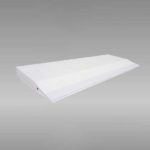
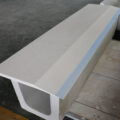
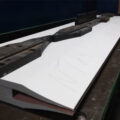
Aluminum Caster Tip Nozzle is the key part of conveying molten aluminum in the production of aluminum alloy casting and rolling. The structure of the nozzle will directly affect whether the melt can enter the casting and rolling area from the nozzle cavity uniformly and stably, thereby affecting the quality of the sheet. Therefore, the […]
17Jan 2022
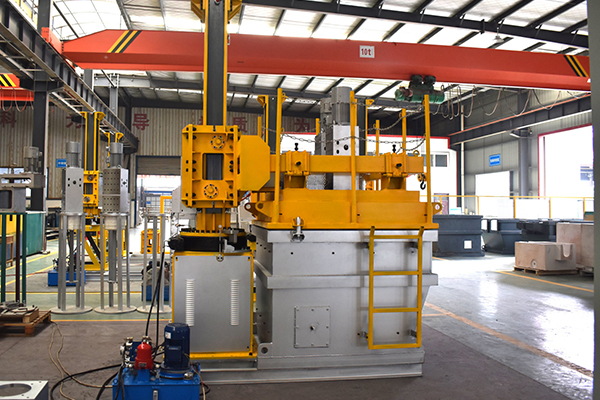
Online Metal Degassing Systems

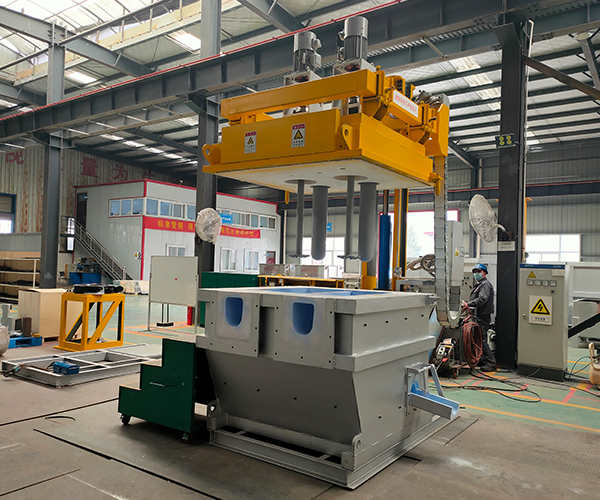
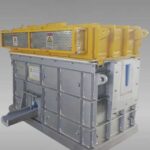
Online Metal Degassing Systems are used in molten aluminum refining to remove gas, and in-line degassing systems typically include the use of rotating rotors to inject inert gas. Rotor devices typically introduce an inert gas into the molten metal through a number of bubbles that the rotor can shear and disperse into the molten metal […]

16Jan 2022
Ceramic Foam Filter Iceland

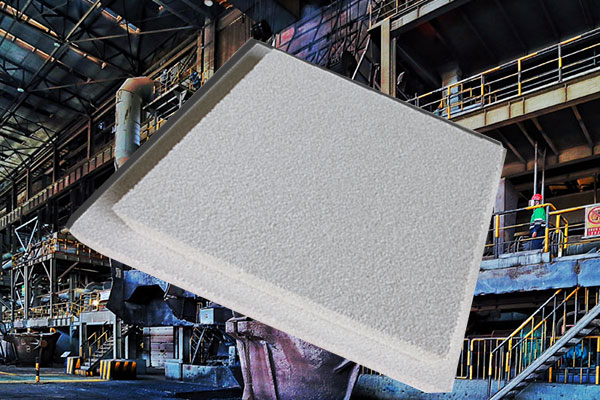
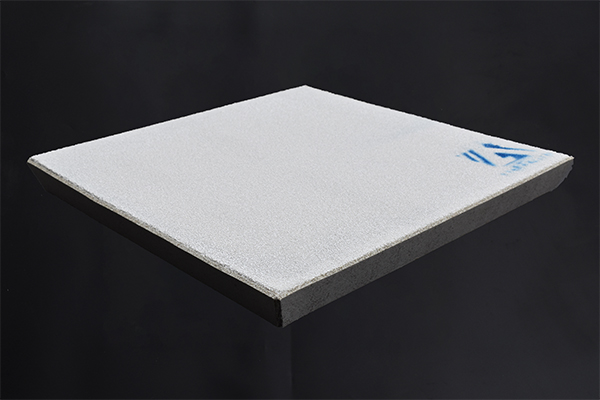
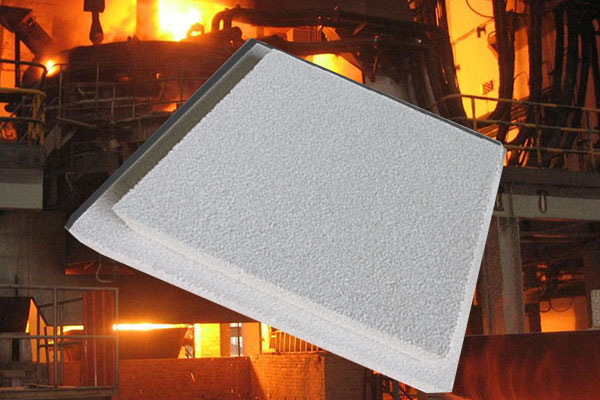
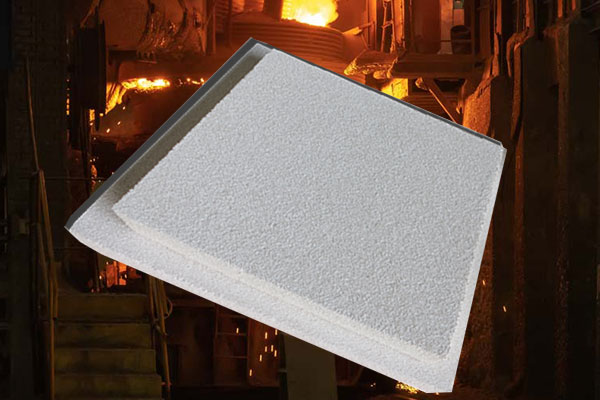
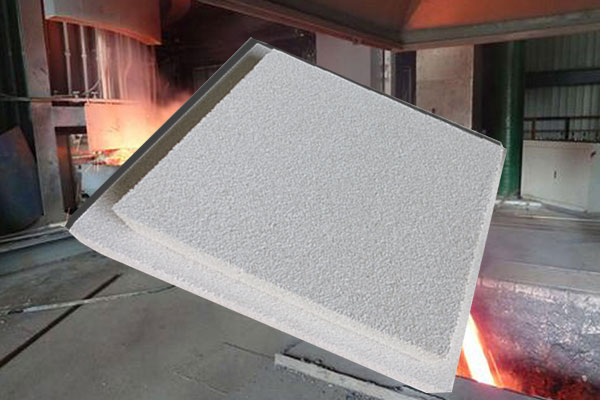
Ceramic foam filter Iceland consist of many homogeneous micropores. As the fluid passes through these pores, suspended solids, colloidal particles and large organic molecules are trapped on the surface of the filter medium. The fluid produces various physical effects through the microporous channels, realizing mechanical screening, purification or diffusion, fluidization and other functions. Foundry ceramic […]

16Jan 2022
Casting Filter Australia

Casting Filter Australia is characterized by corrosion resistance, high temperature resistance, high mechanical strength, no dissolution of harmful substances and no secondary pollution. Under the action of fluid pressure, the microhole is not deformed, easy to clean regeneration, long service life. Widely used in environmental protection of metallurgical enterprises. Casting Filter Australia adopts a new process […]

16Jan 2022
Foam Filter Manufacturer

Foam filter manufacturer is made from non-stick aluminium material, the product is white or milky white. Suitable for the production of high quality, high requirements of aluminum and aluminum alloy purification process. Through physical adsorption and chemical action, various oxide inclusions produced during aluminum smelting can be effectively removed, thus reducing casting defects and improving casting […]

16Jan 2022
Aluminium Foam Ceramic Filters

Aluminium foam ceramic filters effectively remove large inclusions in liquid aluminum, adsorption micron level small inclusion particles, improve the surface quality, improve product performance, improve the microstructure, improve the rate of finished products. Casting process performance of aluminum alloy It is generally understood as a combination of those properties that are outstanding in the process […]

15Jan 2022
Slag Ring

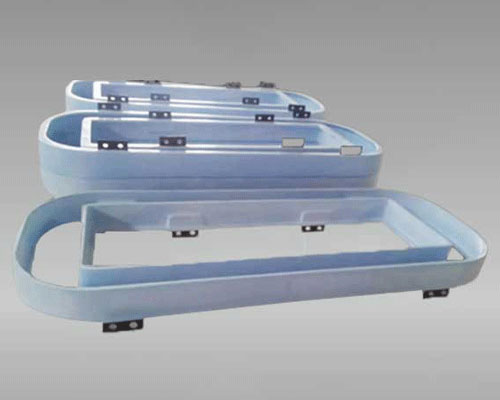
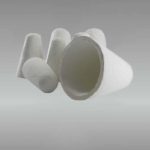
Slag Ring products are used in conjunction with molds. By setting the impurity separation ring, the filtered liquid aluminum first enters the ring range formed by the slag ring body, and may be brought into the slag such as oxide slag. In the mold, the body of the aluminum industrial slag retaining device can intercept […]

15Jan 2022
CFF Filter for Molten Aluminium

CFF Filter for Molten Aluminium Filtration is a ceramic foam filter made of molten metal passed through neutral or active material to remove suspended inclusions in the melt. As the molten aluminum alloy stream passes through the tortuous path of the ceramic foam filter, non-metallic inclusions are trapped within the ceramic structure. The filtered metal […]

14Jan 2022
Aluminium Melting Refining

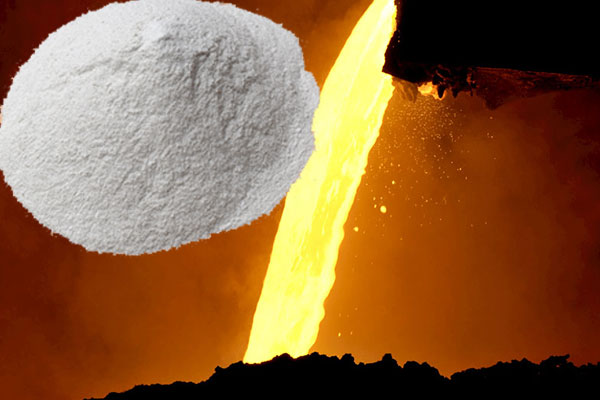
Aluminium Melting Refining can degas and remove impurities, making aluminum alloy solution more pure and improving its mechanical properties. There are many considerations when adding refiners. The following describes the specific use method. Hydrogen and floating oxide slag can be effectively removed by adding appropriate amount of aluminum smelting agent. The main reason is that […]

14Jan 2022
Aluminium Casting Degassing

Aluminium Casting Degassing can greatly improve the quality and output of aluminum products, thus improving the profitability of aluminum smelting and casting plants. Hydrogen can be burned in a gas stove, and condensate from tools, flux and alloy additives are introduced into the liquid aluminum. Most commonly, however, hydrogen is introduced into the molten aluminum […]